Trump Image Row: AI Jesus Post, Backlash Surge, Viral Debate, Controversy
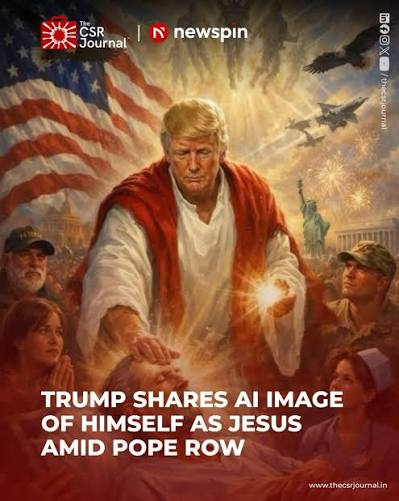
A controversial AI-generated image shared by Donald Trump has triggered widespread backlash, intense online debate, and renewed scrutiny of artificial intelligence in political messaging. The now-deleted image portrayed Trump in a Jesus-like role, igniting reactions from religious leaders, political allies, critics, and global audiences.
The controversy spread rapidly across social media platforms, transforming a single post into a viral global discussion about religion, political symbolism, and artificial intelligence ethics. While supporters defended the post as symbolic, critics labeled it offensive, inappropriate, and potentially harmful to religious sentiment.
This article explores the full timeline of the incident, reactions from political and religious communities, the role of AI in modern politics, and the broader implications for digital communication in the 21st century.
The AI Jesus Image: What Happened
The controversy began when Trump posted an AI-generated image on his social media platform that depicted him wearing robes and performing what appeared to be a healing act. The image included visual elements widely associated with Christian religious symbolism, such as glowing light and gestures reminiscent of biblical miracles.
According to reports, the image showed Trump placing his hand on a patient’s forehead while emitting light, creating strong parallels to traditional artistic depictions of Jesus Christ healing the sick.
The reaction was swift and intense.
Critics across political lines condemned the imagery, arguing that portraying oneself in a Christ-like role crosses ethical and religious boundaries. Religious commentators described the image as offensive and inappropriate, especially given its release shortly after Easter celebrations.
Facing mounting criticism, Trump eventually deleted the post, though screenshots continued circulating widely online.
Why the Image Sparked Backlash
Religious Sensitivity
One of the primary reasons behind the backlash was the religious symbolism embedded in the image. Many Christian leaders and believers felt that depicting a political figure in a Jesus-like role was disrespectful.
Several conservative Christian commentators, typically supportive of Trump, publicly criticized the image as blasphemous and demanded its removal.
Even some of Trump’s political allies voiced concern, noting that religious imagery carries deep emotional and spiritual significance.
Political Messaging Concerns
Critics argued that the image blurred the line between faith and political messaging. Some observers suggested that presenting a political leader in a divine context risks reinforcing personality cult narratives.
Political analysts noted that messaging strategies involving strong symbolism can energize supporters but also risk alienating moderate voters.
Timing and Context
The controversy unfolded during heightened political tensions, including disagreements involving religious leaders and geopolitical issues. Trump had recently criticized Pope Leo XIV, intensifying the sensitivity surrounding religious symbolism.
This timing contributed significantly to the intensity of public reaction.
Trump’s Response to the Controversy
Following the backlash, Trump defended the image by stating that it was not intended to portray him as Jesus. Instead, he claimed the depiction represented him as a doctor helping patients.
Despite this explanation, critics remained unconvinced. Many argued that the visual symbolism clearly resembled religious iconography rather than medical imagery.
Eventually, the post was removed from social media, but the controversy continued to trend online.
Reactions from Supporters and Critics
Conservative Reaction
Interestingly, criticism did not come exclusively from political opponents. Some conservative voices expressed discomfort with the image.
Commentators described the depiction as inappropriate and inconsistent with traditional religious values.
Others argued that the post undermined credibility among religious voters.
Liberal and Opposition Reaction
Opposition figures criticized the image as an example of irresponsible messaging.
Some political critics described it as an attempt to portray leadership in heroic or divine terms, raising concerns about political propaganda.
Online Community Reaction
Social media users reacted rapidly, producing memes, commentary threads, and viral discussions. Some users attempted to analyze hidden details within the image, while others debated whether the post was satire or serious messaging.
The controversy demonstrated the speed at which AI-generated visuals can spread and shape narratives.
The Role of Artificial Intelligence in Political Messaging
Rise of AI-Generated Content
Artificial intelligence has become an increasingly powerful tool in modern political communication. AI allows users to generate realistic images, videos, and audio within seconds.
Political figures and campaign teams are now experimenting with AI to create persuasive visuals, promotional materials, and viral content.
However, this trend introduces ethical challenges.
Experts warn that AI-generated imagery can blur the distinction between reality and fiction, increasing the risk of misinformation.
AI-related controversies have become more common as technology advances and accessibility increases.
Previous AI-Related Controversies Involving Political Figures
This was not the first time AI-generated imagery involving Trump sparked controversy.
In earlier incidents, AI-generated content shared online drew criticism for offensive imagery and misinformation concerns. In one notable example, AI-generated visuals depicting public figures in controversial forms were removed following backlash.
These repeated incidents highlight growing concerns about the ethical boundaries of political communication in the digital era.
Religious Leaders Weigh In
Religious leaders from various denominations responded strongly to the controversy.
Some described the depiction as disrespectful to religious teachings and sacred traditions. Others expressed concern about political figures using religious symbolism for publicity.
The reaction from religious communities underscored the sensitive nature of faith-based imagery in public discourse.
Faith leaders emphasized the importance of maintaining respect for religious symbols, regardless of political affiliation.
Social Media Amplification and Viral Spread
How the Image Went Viral
The image spread rapidly across platforms due to its controversial nature.
Social media algorithms often prioritize emotionally charged content, allowing such posts to reach millions of viewers within hours.
Screenshots and reposts ensured that the image remained visible even after deletion.
The Meme Culture Effect
Memes played a major role in amplifying the controversy.
Users created parody images and commentary, turning the incident into a viral digital phenomenon.
The meme-driven environment transformed the controversy into an ongoing public spectacle.
Political Impact of the Controversy
Impact on Religious Voters
Religious voters represent a key demographic in American elections.
Some analysts believe the controversy could affect perceptions among conservative Christian communities, particularly those sensitive to religious symbolism.
International Reaction
The incident also attracted attention beyond the United States.
International observers discussed the controversy as part of a broader debate about political communication and religious respect.
Diplomatic tensions involving religious leadership added another layer of complexity to the situation.
Ethical Questions Raised by the Incident
The controversy sparked important ethical questions.
Should political figures use religious symbolism?
Many experts argue that blending politics with sacred imagery risks creating misunderstandings and social tension.
Should AI-generated political content be regulated?
Governments worldwide are debating potential regulations governing AI-generated media.
The rapid spread of deepfake technology has increased calls for stricter oversight.
AI, Religion, and Politics: A Complex Relationship
The incident highlights the complex intersection between technology, religion, and political messaging.
Artificial intelligence allows unprecedented creativity, but it also introduces new risks.
Religious imagery has historically been used to communicate spiritual ideas. However, using such imagery in political contexts remains controversial.
Balancing artistic expression with cultural respect remains an ongoing challenge.
Media Coverage and Global Attention
Major news organizations across the world covered the controversy.
Reports highlighted how quickly digital controversies can escalate into global news events.
Journalists analyzed the symbolism within the image and its potential political implications.
The widespread coverage demonstrated the global reach of modern social media.
Lessons Learned from the Controversy
This incident provides several important lessons.
- AI-generated content can spread rapidly and unpredictably.
- Religious imagery requires careful handling.
- Political messaging carries significant ethical responsibility.
- Public figures face intense scrutiny in the digital age.
These lessons may shape future communication strategies.
The Future of AI in Political Communication
Artificial intelligence will likely continue to play a growing role in politics.
Campaign teams are exploring AI tools for voter outreach, content creation, and digital engagement.
However, experts warn that without clear ethical standards, similar controversies may become more frequent.
Transparency and accountability will be essential.
Public Trust and Digital Responsibility
Public trust in political messaging depends heavily on authenticity.
AI-generated visuals, when misused, risk undermining confidence in digital communication.
Restoring trust requires responsible use of technology and clear communication strategies.
The controversy demonstrates how fragile public trust can be in the age of digital media.
Conclusion
The Trump AI Jesus image controversy represents more than a viral moment—it reflects the evolving challenges of digital communication in modern politics.
From religious sensitivity to technological ethics, the incident highlights the importance of responsible messaging in an interconnected world.
As artificial intelligence continues to shape political communication, public figures, technology developers, and policymakers will face increasing pressure to balance creativity with accountability.
The debate sparked by this controversy is unlikely to fade quickly. Instead, it may become a defining example of how technology, religion, and politics intersect in the digital age.
FAQs
What was the Trump AI Jesus image controversy?
The controversy involved an AI-generated image depicting Donald Trump in a Jesus-like role, which sparked backlash from religious leaders and political commentators.
Why did people criticize the image?
Many critics considered the depiction disrespectful to religious beliefs and inappropriate for a political figure.
Did Trump delete the image?
Yes, the image was removed after widespread backlash, although it continued circulating online through screenshots.
What did Trump say about the image?
Trump stated that the image represented him as a doctor helping people, not as Jesus Christ.
Why is AI content controversial in politics?
AI-generated content can blur reality and fiction, raising concerns about misinformation, ethics, and public trust.
Could this affect future political campaigns?
Yes, the controversy highlights risks associated with AI messaging and may influence future regulations and campaign strategies.
How useful was this post?
Click on a star to rate it!
Average rating 0 / 5. Vote count: 0
No votes so far! Be the first to rate this post.
About the Author

usa5911.com
Administrator
Hi, I’m Gurdeep Singh, a professional content writer from India with over 3 years of experience in the field. I specialize in covering U.S. politics, delivering timely and engaging content tailored specifically for an American audience. Along with my dedicated team, we track and report on all the latest political trends, news, and in-depth analysis shaping the United States today. Our goal is to provide clear, factual, and compelling content that keeps readers informed and engaged with the ever-changing political landscape.