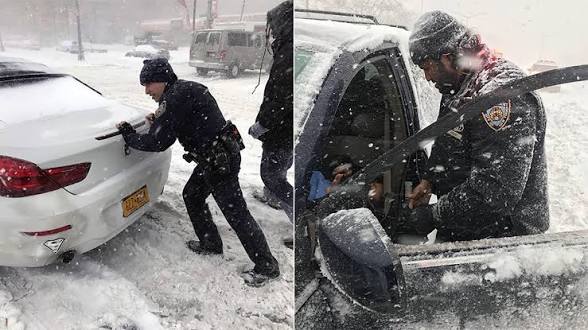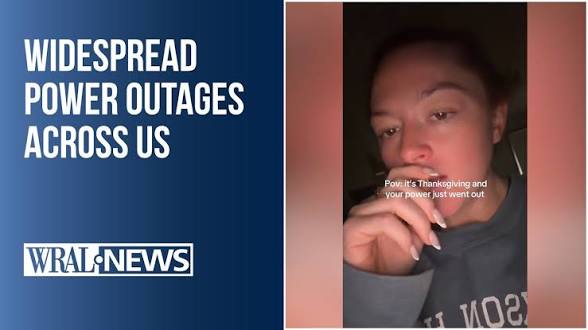
The Thanksgiving holiday took a dramatic turn across the United States as a powerful storm brought damaging winds, heavy rainfall, coastal flooding and heavy snow. The severe weather disrupted celebrations, affected transportation networks and left nearly 1 million homes and businesses without electricity at its peak.
The Thanksgiving monster storm outages became one of the biggest weather-related disruptions of the holiday season. Millions of Americans experienced difficult travel conditions as strong winds toppled trees, damaged power lines and flooded roads. Several states reported widespread electricity interruptions, while airports struggled with cancellations and delays.
According to outage figures reported on Thursday, November 26, approximately 961,000 utility customers were without electricity at the storm’s peak. Although the number declined later in the evening, hundreds of thousands remained without power on Friday morning.
Pennsylvania, New Jersey, Maryland, Virginia and Missouri were among the hardest-hit states. Meanwhile, coastal communities faced dangerous flooding as powerful winds combined with unusually high tides.
The storm also forced New York City to postpone its famous Macy’s Thanksgiving Day Parade for the first time in its 100-year history because of dangerous wind conditions.
Thanksgiving Monster Storm Outages Leave Nearly 1 Million Without Electricity
The powerful Thanksgiving storm caused widespread electricity disruptions across several regions of the country.
PowerOutage.us data cited by Reuters showed that approximately 961,000 customers had lost electricity by around 7:30 p.m. Eastern Time on Thursday. The number later declined to more than 908,000 customers.
Pennsylvania recorded the highest number of outages, with more than 207,000 customers affected. New Jersey followed with approximately 179,000 outages.
Maryland reported around 139,000 customers without electricity, while Virginia recorded approximately 106,000. Missouri also experienced significant disruptions, with roughly 100,000 customers affected.
New York state reported more than 68,000 outages.
These figures demonstrated the enormous geographical reach of the storm. Although the Northeast experienced the most extensive electricity disruptions, severe weather also affected communities across the Midwest and other parts of the country.
Power companies faced the difficult task of identifying damaged equipment, clearing fallen trees and restoring electricity while challenging weather conditions continued.
For many families, the outages interrupted Thanksgiving meals, heating systems, household activities and holiday gatherings.
Which States Were Hit Hardest by the Thanksgiving Storm?
Several states experienced significant power outages and dangerous weather conditions.
Pennsylvania Reports the Highest Number of Outages
Pennsylvania emerged as one of the hardest-hit states during the Thanksgiving storm.
More than 200,000 utility customers lost electricity as strong winds and heavy rainfall moved across the region.
Fallen trees and damaged power infrastructure contributed to the disruptions. Communities across the state faced difficult conditions as the storm affected residential areas and transportation routes.
The outages also created additional concerns for hospitals, businesses and households relying on electricity for essential services.
New Jersey Faces Severe Coastal Flooding
New Jersey experienced some of the most serious coastal flooding during the storm.
Governor Mikie Sherrill had declared a state of emergency ahead of the worst conditions. Heavy rain, strong winds and unusually high tides created dangerous situations along the state’s coastline.
Avalon experienced particularly severe flooding. Local officials described conditions as among the worst in the community’s history.
Several roads became submerged, while emergency workers responded to reports of vehicles trapped in floodwater.
Authorities also reported the closure of a section of US Route 30 near Atlantic City because of significant flooding.
Maryland Deals With Power and Water Concerns
Maryland faced electricity disruptions and coastal flooding.
The storm affected communities along the Chesapeake Bay, where high tides and strong winds created dangerous conditions.
Nearly two million water customers in Montgomery and Prince George’s counties were asked to conserve water because intermittent power disruptions affected the water system.
This situation highlighted how major storms can affect more than electricity supplies. Power interruptions can also disrupt water distribution, communication networks and other essential public services.
Virginia Experiences Strong Winds and Flooding
Virginia was another major hotspot for storm-related disruptions.
More than 100,000 customers lost electricity as powerful winds and heavy rainfall affected different communities.
The Chesapeake Bay Bridge-Tunnel temporarily closed because of high winds, disrupting an important transportation connection.
Flooding also affected coastal areas, including communities around Norfolk.
Emergency responders worked to assist residents and motorists caught in dangerous conditions.
Missouri Struggles With Heavy Snow
Unlike many East Coast communities dealing with heavy rain and flooding, parts of Missouri experienced significant snowfall.
The storm brought substantial accumulations of wet snow to the region. Some areas recorded snowfall approaching or exceeding a foot.
St. Louis and surrounding communities faced difficult winter conditions as snow affected roads, trees and electrical infrastructure.
Heavy, wet snow can place additional pressure on tree branches and power lines, increasing the possibility of electricity interruptions.
Powerful Winds and Heavy Rain Cause Widespread Damage
The Thanksgiving storm combined several dangerous weather conditions into one large system.
Wind gusts reached approximately 50 to 70 miles per hour across parts of the East Coast. These powerful winds increased the risk of falling trees, damaged roofs and broken electrical lines.
Heavy rainfall created another serious problem.
Coastal communities experienced significant water accumulation as rain combined with unusually high tides and storm-driven waves.
According to Reuters, strong onshore winds and king tides contributed to coastal flooding in low-lying areas.
New York City also experienced difficult conditions. LaGuardia Airport recorded wind gusts reaching approximately 56 miles per hour.
City officials reported that some residents needed emergency assistance after becoming trapped in vehicles surrounded by floodwater.
The combination of wind, rain and coastal flooding made travel particularly dangerous.
Officials repeatedly warned residents against driving through flooded streets or ignoring road closures.
Macy’s Thanksgiving Day Parade Postponed for the First Time in 100 Years
One of the most visible consequences of the storm was the postponement of New York City’s famous Macy’s Thanksgiving Day Parade.
The annual event is a major Thanksgiving tradition, attracting spectators from across the country and millions of television viewers.
However, dangerous wind conditions created serious safety concerns for the parade’s enormous inflatable balloons.
Strong winds can make large balloons difficult to control, particularly in Manhattan, where tall buildings create unpredictable wind patterns.
Organizers decided to postpone the 100th edition of the parade until Saturday, November 28.
The decision marked the first time in the event’s century-long history that the parade had been rescheduled because of severe weather.
The postponement disappointed many visitors who had travelled to New York specifically for the celebration.
However, public safety remained the priority.
City officials also indicated that balloon participation would depend on wind conditions. Sustained winds exceeding the city’s safety threshold could prevent balloons from flying during the rescheduled event.
Thanksgiving Storm Disrupts Flights Across the United States
Air travel experienced major disruptions as the storm moved across the country.
Thousands of passengers faced delays and cancellations during one of the busiest travel periods of the year.
According to FlightAware figures reported by Reuters, Thursday’s storm contributed to 454 flight cancellations and approximately 2,411 delays involving US flights.
Major airports in the Washington and New York metropolitan areas experienced particularly difficult conditions.
Strong winds, heavy rain and reduced operational capacity created challenges for airlines and airport authorities.
Passengers travelling for family gatherings, holiday vacations and connecting flights faced unexpected changes to their schedules.
The storm also affected transportation beyond airports.
Several roads and bridges closed temporarily because of flooding and dangerous winds. Coastal highways became difficult or impossible to use in some locations.
The Chesapeake Bay Bridge-Tunnel closure in Virginia demonstrated how quickly severe weather can disrupt important regional transportation links.
Authorities urged motorists to check road conditions before travelling.
Coastal Flooding Creates Dangerous Conditions Along the East Coast
Coastal flooding became another major concern during the Thanksgiving storm.
Communities from North Carolina to New Jersey experienced flooding as powerful winds pushed ocean water toward shorelines.
High tides made the situation worse by increasing water levels in already vulnerable coastal areas.
In some locations, waves crossed dunes and flooded roads.
North Carolina’s NC 12 highway, which connects Hatteras Island to the mainland, was closed after seawater breached the dunes and covered sections of the road.
In New Jersey, several coastal communities experienced extensive flooding.
New York City also faced coastal flood warnings as high water affected low-lying neighbourhoods.
Officials warned that flooding could remain dangerous even after rainfall began to weaken.
Storm surge, high tides and accumulated water can continue affecting communities after the strongest winds have passed.
New York City Faces Flooding and Emergency Rescues
New York City experienced strong winds, heavy rainfall and coastal flooding on Thanksgiving Day.
The city received approximately 1.5 to 2 inches of rain, with some locations recording as much as 3 inches.
LaGuardia Airport recorded wind gusts of approximately 56 miles per hour.
Mayor Zohran Mamdani said two people had to be rescued from their vehicles after becoming trapped in floodwater.
Emergency management officials also reported several scaffolding collapses across the city. Fortunately, no injuries were reported in those incidents.
Flooding affected portions of Staten Island and Long Island, while coastal areas faced additional risks from unusually high tides.
The mayor urged residents to avoid unnecessary travel and warned against attempting to cross flooded streets.
The storm demonstrated how quickly urban infrastructure can become vulnerable when heavy rain and powerful winds arrive together.
Why Did the Thanksgiving Storm Cause So Many Power Outages?
Several weather conditions contributed to the extensive Thanksgiving monster storm outages.
1. Strong Winds Damaged Power Infrastructure
Wind gusts reaching 70 mph can cause significant damage to electrical infrastructure.
Trees and branches can fall onto overhead power lines, while flying debris can damage transformers and other equipment.
Even a single fallen tree can interrupt electricity for hundreds of nearby customers.
2. Heavy Rain Increased Flooding Risks
Heavy rainfall caused water to accumulate across streets, residential areas and coastal communities.
Floodwater can damage electrical equipment and make restoration work more difficult for utility crews.
Emergency workers may also struggle to reach affected areas when roads become submerged.
3. Wet Snow Added Pressure to Trees and Power Lines
Missouri experienced heavy, wet snowfall.
Unlike light, powdery snow, wet snow contains more moisture and can become extremely heavy.
This additional weight can break tree branches and damage electrical lines.
4. Multiple States Experienced Severe Weather Simultaneously
The storm affected a large geographical area.
As a result, utility companies in several states faced restoration challenges at the same time.
The large number of outages required extensive coordination between electricity providers, emergency responders and local authorities.
Power Restoration Efforts Continue Across Affected States
Electricity restoration became a major priority as the storm weakened.
Utility crews worked to identify damaged power lines, remove fallen trees and repair affected infrastructure.
However, restoring electricity after a major storm can take time.
Crews must first assess whether damaged equipment can be repaired safely. They also need to ensure that fallen electrical wires do not create additional hazards.
In heavily flooded areas, restoration work may be delayed until water levels decrease and emergency teams can access damaged infrastructure.
Although the number of reported outages declined from its peak, more than 660,000 customers were still without electricity early Friday, according to The Washington Post.
That figure showed that the storm’s impact continued beyond Thanksgiving Day.
The National Weather Service expected conditions to gradually improve across much of the East Coast as the storm weakened and moved away.
Nevertheless, gusty winds and isolated weather hazards remained possible.
Residents were advised to follow local utility updates and emergency instructions.
How the Thanksgiving Storm Affected Holiday Celebrations
Thanksgiving is traditionally one of the busiest family holidays in the United States.
Millions of Americans travel to spend time with relatives, attend community events and enjoy holiday meals.
However, the severe weather disrupted these plans.
Families in affected states experienced electricity interruptions during food preparation and celebrations.
Some households also faced heating concerns as temperatures dropped in areas affected by rain, snow and strong winds.
Travellers encountered airport delays, road closures and dangerous driving conditions.
The postponement of the Macy’s Thanksgiving Day Parade added another major disruption to the holiday schedule.
Businesses also faced challenges as flooding and power outages affected normal operations.
Restaurants, grocery stores, hotels and other businesses had to respond to difficult weather conditions during an important commercial period.
For affected communities, recovering from the storm became more important than continuing normal holiday activities.
What Should Residents Do During a Major Power Outage?
The Thanksgiving storm highlights the importance of preparing for extended electricity interruptions.
Residents in storm-affected areas should follow basic safety precautions.
Keep Emergency Supplies Ready
Households should maintain flashlights, batteries, drinking water, non-perishable food and essential medicines.
A fully charged power bank can also help keep mobile phones operational.
Avoid Fallen Power Lines
Never approach a fallen electrical wire.
Even if a wire appears inactive, it may still carry dangerous electricity.
Residents should report damaged power lines to the relevant electricity provider or emergency services.
Use Generators Safely
Portable generators should always operate outdoors and away from doors, windows and ventilation openings.
Never operate a generator inside a house, garage or enclosed space because carbon monoxide can cause serious illness or death.
Protect Food During Outages
Keep refrigerator and freezer doors closed as much as possible.
A refrigerator generally keeps food cold for approximately four hours when unopened. A full freezer can maintain its temperature for around 48 hours, while a half-full freezer can do so for approximately 24 hours.
Use a food thermometer and follow official food-safety guidance before consuming perishable items.
Stay Away From Flooded Roads
Never drive through floodwater.
Water depth can be difficult to judge, and moving water can sweep vehicles away.
Follow road closure signs and emergency instructions.
Will the Thanksgiving Storm Conditions Improve?
Weather conditions were expected to gradually improve across much of the East Coast on Friday as the storm weakened.
The National Weather Service indicated that the system would continue affecting parts of the eastern United States before gradually moving away.
However, improvements in weather do not automatically mean that all electricity services will return immediately.
Damaged power lines, fallen trees and flooded infrastructure can require extensive repair work.
Coastal communities may also continue experiencing elevated water levels and erosion risks.
The Washington Post reported that drier conditions were expected across much of the affected East Coast during Saturday and Sunday.
Residents should continue checking local forecasts because conditions can differ significantly between states and communities.
The most important priority remains public safety and the restoration of essential services.
Conclusion: Thanksgiving Storm Leaves a Major Impact Across America
The Thanksgiving monster storm outages created widespread disruption across the United States, leaving nearly 1 million utility customers without electricity at the storm’s peak.
Pennsylvania, New Jersey, Maryland, Virginia and Missouri experienced particularly serious power interruptions.
Meanwhile, heavy rain, strong winds, coastal flooding and snowfall disrupted holiday travel and damaged infrastructure.
The postponement of New York City’s Macy’s Thanksgiving Day Parade highlighted the severity of the weather, while flight cancellations and road closures affected thousands of travellers.
Although weather conditions began improving as the storm weakened, hundreds of thousands of customers remained without power on Friday morning.
The recovery process will depend on the speed of infrastructure repairs and the ability of utility crews to safely reach damaged locations.
For affected residents, the Thanksgiving storm serves as an important reminder that severe weather can disrupt even the most anticipated holiday celebrations.
About the Author