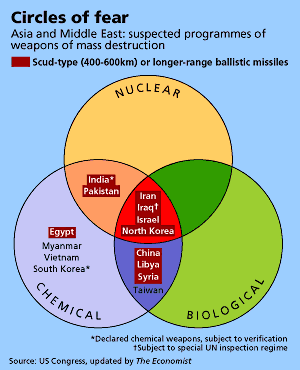
Israel Warns Iran Chemical Weapons Plan has raised fresh concerns about security across the Middle East. Israeli officials have reportedly warned about potential chemical weapons-related threats involving Iran, while the Israel Defense Forces (IDF) remain prepared for possible military action.
The warning comes amid continuing tensions between Israel and Iran. Both countries have faced years of confrontation involving military operations, intelligence activities, regional alliances, and threats against strategic targets.
However, claims about an Iranian chemical weapons plan require careful examination. An official warning does not automatically establish that Iran has approved or begun such a programme. Independent evidence, intelligence assessments, and international monitoring remain important.
The situation could have serious consequences for regional security. Any military response could increase tensions, affect neighbouring countries, and create new challenges for international diplomacy.
Israel Warns Iran Chemical Weapons Plan: What Happened?
The latest warning came from Israeli Defense Minister Israel Katz on November 24, 2026. During a briefing with Israeli reporters, Katz accused Iran of developing chemical weapons and said Israel would not allow Tehran to obtain such capabilities.
According to reporting by The Times of Israel, Katz did not reveal how advanced the alleged programme was. He also declined to identify the locations where the suspected development activities were taking place.
The Times of Israel+1
His comments suggest that Israel views the alleged chemical weapons threat as an important part of its national security calculations.
Katz also indicated that the IDF and US Central Command (CENTCOM) were preparing joint operational plans. He said the plans were ready, but the final decision would rest with US President Donald Trump.
This statement has attracted attention because it suggests that military options are being considered even as diplomatic discussions continue.
What Is Israel Alleging About Iran?
Israel’s central allegation is that Iran may be developing chemical weapons as another way to challenge Israeli military superiority.
Katz suggested that Tehran could be seeking a new form of deterrence following previous military confrontations.
However, several important questions remain unanswered:
What chemical agents does Israel believe Iran is developing?
Where is the alleged programme operating?
How advanced is the suspected development?
Does Iran have a delivery system capable of carrying chemical weapons?
What independent evidence supports the Israeli assessment?
These questions matter because chemical weapons development, possession and operational deployment are different stages.
A country may possess relevant industrial or scientific capabilities without having developed a usable chemical weapon. Similarly, intelligence about suspected research does not automatically prove that an operational weapons programme exists.
Israel has not publicly provided enough information to answer these questions.
Iran Rejects the Chemical Weapons Allegations
Iran has strongly rejected the accusations.
According to The Times of Israel, Iranian Foreign Ministry spokesperson Esmaeil Baghaei described the reports as fraudulent. He also accused Washington of using the allegations to create justification for a prolonged conflict.
The Times of Israel
Tehran’s denial creates another challenge for international observers.
Israel says the alleged programme represents a serious security threat. Iran rejects the accusation. Meanwhile, the public has not received enough independently verified information to establish the full picture.
International organisations may therefore face pressure to examine any credible evidence.
The Organisation for the Prohibition of Chemical Weapons (OPCW) is responsible for implementing the Chemical Weapons Convention. Its work includes monitoring compliance, investigating alleged chemical weapons use and supporting the elimination of chemical weapons stockpiles.
Independent verification would be important before the allegations could be treated as established fact.
IDF Ready for Possible Strikes Against Iran
The Israeli defence minister said the IDF and US Central Command were preparing to act together against Iran. He also described joint military action as Israel’s preferred option.
This does not mean that an attack has been officially ordered.
Instead, the statement indicates that military planning is continuing while political leaders consider their options.
Why Is CENTCOM Involved?
US Central Command oversees American military operations across the Middle East and surrounding regions.
Its responsibilities include regional security cooperation, protecting American personnel, supporting allied forces and responding to threats against US interests.
Coordination between the IDF and CENTCOM could provide several advantages:
Intelligence cooperation: Both countries could share information about suspected military developments and strategic threats.
Defensive coordination: Joint planning could improve protection against missiles, drones and other attacks.
Operational support: American military capabilities could support a wider campaign if political approval is granted.
Regional security: Cooperation could help protect important shipping routes and allied facilities.
Nevertheless, military coordination does not guarantee that a strike will happen.
The decision would depend on intelligence assessments, political approval, military readiness and the expected consequences of an attack.
Trump Holds an Important Decision-Making Role
Katz made clear that the United States would play an important role in determining the next steps.
He indicated that Israel preferred to launch any new operation alongside CENTCOM.
US President Donald Trump therefore faces a difficult decision.
Supporting military action could strengthen Israel’s ability to target Iranian military capabilities. However, it could also expose American forces and regional partners to retaliation.
Washington must also consider the wider consequences for energy markets, international trade and diplomatic relations.
The American administration could choose military action, additional economic pressure or negotiations, depending on how the situation develops.
Israel’s Security Leadership Divided Over Military Action
Although Israeli officials have warned about Iran, reports indicate that there are differences within Israel’s security establishment about the timing of another military operation.
These disagreements are important because they show that Israel’s leadership is not necessarily united on whether an immediate strike is the best option.
According to recent reporting by Moneycontrol, Mossad chief Roman Gofman reportedly favours keeping the option of independent Israeli military action open if necessary.
However, IDF Chief of Staff Lieutenant General Eyal Zamir reportedly prefers waiting for an American decision and greater coordination with Washington.
Moneycontrol+1
Why Some Officials Support Faster Action
Supporters of a pre-emptive approach argue that waiting could allow Iran to strengthen its military capabilities.
Their concerns include:
Possible development of chemical weapons.
Restoration of nuclear programme capabilities.
Expansion of ballistic missile production.
Improvements to air defence systems.
Greater protection of sensitive military facilities.
From this perspective, delaying action could make future military operations more difficult.
However, a preventive strike also carries significant risks. It could trigger retaliation, increase regional instability and create pressure for a wider conflict.
Why Other Officials Prefer Caution
Those favouring a more cautious approach may believe that military action should only happen when intelligence establishes an immediate threat.
A strike could also undermine diplomatic efforts and expose Israel to attacks from multiple directions.
American participation is another important consideration.
A coordinated operation could provide greater military support and reduce some operational challenges. Therefore, waiting for Washington’s position may be seen as a practical decision rather than a sign of weakness.
How the Iran-Israel Conflict Reached This Point
The confrontation has involved military threats, intelligence operations, cyber activities, regional armed groups and disputes over Iran’s nuclear programme.
Israel has repeatedly argued that Iran’s military development threatens its security. Tehran, meanwhile, has accused Israel and the United States of interfering in its affairs and threatening Iranian sovereignty.
The conflict became more dangerous following direct military confrontations.
The June 2025 Israeli-US strikes against Iranian nuclear sites also became a major turning point in the regional security environment. Israeli officials have continued to express concern about Iran’s ability to restore strategic military capabilities.
The Times of Israel+1
In 2026, further confrontation has kept the possibility of renewed military action in international headlines.
The latest chemical weapons allegations add another dimension to the dispute.
Previously, much of the international debate focused on nuclear enrichment and ballistic missiles. Now, Israeli officials are also raising concerns about chemical weapons development.
This could influence how Israel, the United States and regional governments assess the risks associated with Iran.
Chemical Weapons Concerns Raise International Alarm
Chemical weapons are among the most serious threats to international security.
Unlike conventional weapons, chemical agents can cause severe injuries, long-term health problems and widespread contamination. Their use can affect civilians, military personnel and emergency responders.
The international community has spent decades developing agreements to prevent the production, possession and use of these weapons.
What Is the Chemical Weapons Convention?
The Chemical Weapons Convention is an international agreement that prohibits the development, production, acquisition, stockpiling, transfer and use of chemical weapons.
The agreement entered into force in 1997.
The OPCW monitors the implementation of the convention and works with member states to eliminate chemical weapons.
Its responsibilities include:
Monitoring declared chemical weapons facilities.
Verifying the destruction of declared stockpiles.
Investigating alleged chemical weapons use.
Supporting international cooperation.
Helping prevent the spread of chemical weapons technology.
These international safeguards are particularly important when governments make serious accusations against other countries.
In Iran’s case, independent evidence would help establish whether the allegations involve prohibited weapons development or other activities.
Why Chemical Weapons Are Different From Nuclear Weapons
Nuclear and chemical weapons can both cause devastating harm, but they operate differently.
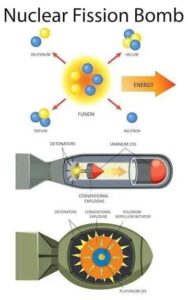
Nuclear weapons release enormous energy through nuclear reactions. Chemical weapons rely on toxic substances to injure or kill people through exposure.
Chemical agents can affect the nervous system, breathing, skin and other parts of the human body.
Their effects depend on the substance, exposure conditions and available medical treatment.
The possibility of chemical weapons being used in a populated area creates particular concerns for civilian protection.
For this reason, governments treat suspected chemical weapons programmes as serious security issues.
Could Iran Use Chemical Weapons Against Israel?
One of the major questions following Katz’s warning is whether Iran could eventually use chemical weapons against Israel.
At present, the public information does not establish that Iran possesses an operational chemical weapons capability.
The Israeli defence minister reportedly indicated that Tehran does not currently have the capacity to launch the specific chemical weapons attack being discussed. His warning focused on preventing Iran from reaching that stage.
The Jerusalem Post
This distinction is important.
A suspected development programme is not the same as an immediate operational threat.
Nevertheless, Israeli officials appear concerned about the possibility that future military capabilities could change the regional balance.
The Missile Delivery Concern
Israeli intelligence assessments previously raised concerns about the possibility of delivering chemical agents through missile systems or introducing them into other countries through covert methods.
A November report discussed by The Times of Israel said Israel had shared intelligence with the United States and Gulf countries about possible Iranian chemical weapons use. The report also noted that some American and Gulf officials questioned the assessment.
The Times of Israel
This disagreement highlights the importance of intelligence verification.
Missile technology alone does not prove the existence of a chemical weapons capability. A country would also need suitable weapons, reliable delivery systems and other supporting capabilities.
The distinction between theoretical capability and demonstrated operational readiness is central to evaluating the threat.
US Intelligence and Gulf Countries Question the Allegations
Israel’s warnings have reportedly not received identical responses from all its international partners.
Earlier reporting indicated that some American officials questioned the intelligence behind Israel’s claims.
Gulf countries were also reportedly sceptical about aspects of the Israeli assessment.
This matters because several Middle Eastern countries have an interest in preventing another major confrontation.
A renewed conflict could threaten oil infrastructure, shipping routes, commercial aviation and regional economic stability.
Why Washington Needs Independent Evidence
The United States must carefully examine intelligence before supporting military action.
There are several reasons for this approach.
First, military operations based on incomplete intelligence can create serious political and security consequences.
Second, American involvement could make the United States a direct participant in a wider regional confrontation.
Third, international partners may demand evidence before supporting a military response.
Washington must therefore balance Israel’s security concerns with its own strategic interests.
The administration also needs to consider whether diplomatic pressure could achieve the same security objectives without another military campaign.
Netanyahu’s Position and the Political Debate in Israel
Israeli Prime Minister Benjamin Netanyahu has repeatedly described Iran as a major threat to national security.
The latest warning has also emerged during a period of political uncertainty in Israel.
According to recent reports, Netanyahu and several security officials have expressed different views about the urgency of renewed military action.
The debate involves more than military strategy. It also concerns the future direction of Israel’s government and its relationship with Washington.
Gadi Eisenkot Calls for Caution
Former IDF chief and political figure Gadi Eisenkot has questioned whether an immediate military operation is necessary.
Reporting by The Times of Israel said Eisenkot identified Iran’s remaining enriched uranium stockpile as a major concern.
His position reflects a different assessment of the immediate threat and the priorities Israel should pursue.
The Times of Israel+1
This disagreement is significant.
Israeli leaders may agree that Iran presents a serious long-term security challenge while disagreeing about the timing and necessity of another attack.
Military action could weaken Iranian capabilities. However, it could also create new problems that are difficult to control.
What Could Happen If Israel Launches Another Strike?
Several possible developments deserve attention.
1. Iranian Retaliation
Iran could respond to an Israeli attack through missiles, drones or other military measures.
The scale of any response would depend on the targets struck, the level of damage and Tehran’s political calculations.
Such retaliation could increase pressure on Israeli air defences and create new security challenges.
2. American Military Involvement
If Washington approves a joint operation, American forces could become directly involved.
This would increase the strategic significance of the confrontation.
It could also place American personnel and regional military facilities at greater risk.
However, US involvement is not guaranteed. The final decision would depend on the American administration.
3. Wider Regional Escalation
A conflict between Israel and Iran could affect other countries.
Regional governments may face pressure to protect their territories, citizens and infrastructure.
Any attacks near important shipping routes could also disrupt international trade.
4. Diplomatic Relations Could Deteriorate
Another military campaign could damage diplomatic efforts involving Iran and other international powers.
Countries seeking negotiations may find it harder to maintain communication with both sides.
At the same time, international pressure could increase for a ceasefire or renewed diplomatic framework.
5. Energy Markets Could Face Uncertainty
The Middle East is an important region for global energy supplies.
A wider conflict could increase concerns about oil production, transportation and shipping security.
Energy markets often respond to geopolitical uncertainty because traders consider the possibility of supply disruptions.
However, the actual impact would depend on whether fighting affects major production facilities or important maritime routes.
What Does This Mean for Ordinary People?
The consequences of renewed Israel-Iran tensions would not be limited to military establishments.
Ordinary people could experience the effects through higher security risks, economic uncertainty and disruptions to everyday activities.
Residents in affected areas could face emergency restrictions, flight cancellations and temporary closures of public services.
International travellers may also experience changes to airline routes and travel schedules.
Businesses could face higher transportation costs and delays if regional shipping becomes less predictable.
People living far from the conflict could still feel its economic effects.
For example, higher energy prices can increase transportation and production costs. These changes may eventually affect food prices, household expenses and business operations.
The possibility of chemical weapons development also raises concerns about civilian protection.
Governments would need to maintain emergency preparedness, public communication and effective medical response systems if credible evidence of an immediate chemical threat emerged.
However, there is currently no public confirmation that Iran has launched a chemical weapons attack against Israel.
Can Diplomacy Prevent Another Israel-Iran War?
Despite the military warnings, diplomacy remains an important option.
Direct negotiations, international mediation and intelligence-sharing arrangements could help reduce misunderstandings and prevent further escalation.
The United States has considerable influence because it maintains close security ties with Israel and plays a major role in Middle Eastern diplomacy.
Other countries may also encourage both sides to avoid actions that could trigger another regional war.
The Role of International Organisations
The United Nations and OPCW could play important roles in addressing chemical weapons concerns.
If credible evidence becomes available, international monitoring and investigation could help establish the facts.
An independent assessment would also make it easier for governments to respond based on evidence rather than political statements.
Diplomatic efforts could focus on:
Preventing chemical weapons development and use.
Supporting international inspections where legally authorised.
Reducing military tensions.
Protecting civilian populations.
Maintaining communication between regional governments.
These measures would not automatically resolve the wider Israel-Iran conflict. However, they could help reduce the risk of another dangerous confrontation.
What to Watch in the Coming Days
Several developments could determine whether the latest warning leads to military action or renewed diplomatic efforts.
1. Trump’s decision: Washington’s position on joint military action will remain one of the most important factors.
2. IDF military preparations: Any official announcement about operational readiness could provide further information about Israel’s next steps.
3. New intelligence disclosures: Additional evidence about the alleged chemical weapons programme could influence international support.
4. Iran’s response: Tehran’s statements and diplomatic actions will help indicate whether it intends to reduce tensions or maintain its current position.
5. International reaction: Responses from European governments, Gulf countries and international organisations could influence the diplomatic environment.
These developments will help determine whether the situation moves towards another military confrontation or a diplomatic solution.
Conclusion
Israel’s warning about an alleged Iranian chemical weapons programme has added a serious new dimension to Middle Eastern tensions.
Defense Minister Israel Katz has said that Iran is developing chemical weapons and that Israel will not allow Tehran to acquire such capabilities. He has also confirmed that the IDF and US Central Command are preparing joint operational plans.
However, the allegations remain disputed. Iran has rejected them, while earlier reporting has highlighted concerns among some American and Gulf officials about the supporting intelligence.
The possibility of another Israeli military operation therefore remains uncertain.
For now, international attention is focused on Washington’s decision, Israel’s military preparations and Tehran’s response. Independent verification and diplomatic engagement will be essential to preventing further escalation.
Another confrontation could have consequences far beyond Israel and Iran, affecting regional security, international trade and the global economy.
1. Why is Israel warning Iran about chemical weapons?
Israeli Defense Minister Israel Katz has accused Iran of developing chemical weapons. He says Israel will not allow Tehran to obtain such capabilities because they could threaten Israeli security.
2. What did Israel’s defense minister say about Iran?
On November 24, 2026, Israel Katz said Iran was developing chemical weapons. He also warned that Israel would prevent Iran from acquiring them.
The Times of Israel
3. Is the IDF preparing to strike Iran?
Israel’s defense minister said the IDF and US Central Command were preparing joint operational plans. However, this does not mean that a new military strike has been officially authorised.
4. Does Iran currently possess chemical weapons?
There is no independently verified public evidence establishing that Iran currently possesses an operational chemical weapons capability. Iran has rejected Israel’s allegations.
5. What is CENTCOM’s role in the Israel-Iran situation?
US Central Command oversees American military operations in the Middle East. It is involved in regional security cooperation and is reportedly coordinating military planning with Israel.
6. Why does Israel want American support?
American participation could provide additional military capabilities, intelligence cooperation and operational support. Israel has described joint action with CENTCOM as its preferred option.
7. Has Iran responded to Israel’s chemical weapons allegations?
Yes. Iran has rejected the accusations. Its Foreign Ministry spokesperson has described the reports as fraudulent and criticised the claims made by Israel and the United States.
8. Could another Israeli strike trigger a wider war?
Yes. Another military operation could lead to Iranian retaliation, increased regional instability and possible involvement by other countries. However, the scale of any escalation would depend on the circumstances.
9. What is the Chemical Weapons Convention?
The Chemical Weapons Convention is an international treaty that prohibits the development, production, stockpiling and use of chemical weapons. The OPCW monitors its implementation.
10. Will the United States support another Israeli attack on Iran?
The decision remains uncertain. Israel has expressed a preference for joint military action, but US President Donald Trump will have to consider the intelligence, military risks and diplomatic consequences before approving any operation.
About the Author