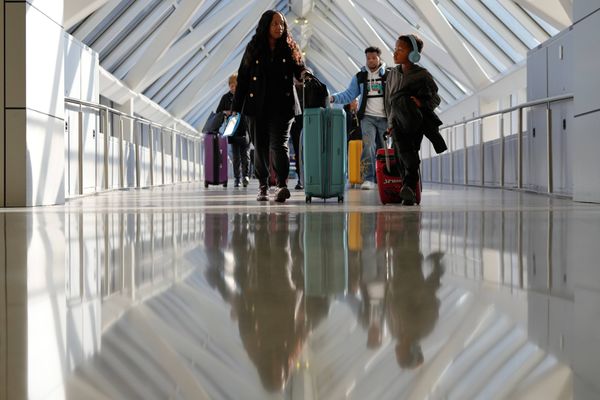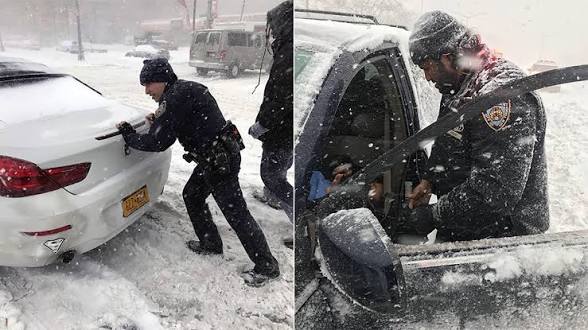
The holiday season is often associated with family gatherings, celebrations, travel, and community events. However, changing weather conditions can make this period difficult for residents. Heavy rain, snowfall, freezing temperatures, and slippery roads can create serious challenges for families, commuters, elderly residents, and people who need emergency assistance.
Against this background, the headline Police Chief on Leave: Helping Community Through Holiday Rain and Snow highlights an important issue: the responsibility of public safety officials to support communities during difficult weather conditions.
A police chief’s absence from regular duties can also raise questions about department leadership, emergency preparedness, and the importance of maintaining uninterrupted public services. Regardless of who holds the leadership position, residents expect their local police department to remain available when dangerous weather affects daily life.
Community assistance becomes especially important during holidays because many people travel long distances, visit relatives, attend public events, and spend more time outdoors.
Police Leadership and Community Responsibility
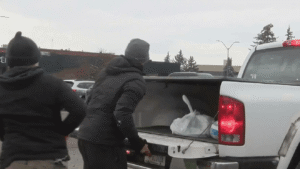
Police departments play an important role in maintaining public safety throughout the year. Their responsibilities extend beyond crime prevention and law enforcement.
During severe weather, officers may help stranded motorists, respond to emergency calls, support traffic management, and coordinate with other emergency services.
A police chief provides leadership and helps ensure that officers have the resources, training, and direction needed to respond effectively.
However, effective policing is not limited to the person occupying the chief’s office. It depends on teamwork, preparation, and cooperation between officers and local authorities.
When a police chief is on leave, an appointed interim leader or another authorized senior officer may oversee daily operations, depending on the department’s structure and local procedures.
This arrangement is important because emergency services cannot simply stop operating when a senior official is unavailable.
Residents still need protection, assistance, and reliable communication.
Holiday Rain and Snow Create Additional Challenges
Holiday weather can change quickly. Rain may develop into freezing conditions, while snowfall can make roads difficult to navigate.
These conditions can create several problems for local communities.
Dangerous Roads and Traffic Delays
Wet roads reduce tire grip and increase stopping distances. Snow and ice can make driving even more dangerous.
Motorists may experience:
Reduced visibility during heavy rainfall.
Slippery roads and intersections.
Vehicle breakdowns in remote areas.
Delays caused by accidents and blocked roads.
Difficulty reaching hospitals and emergency facilities.
Police officers often assist with traffic control and help keep emergency routes accessible.
Their presence can also discourage dangerous driving and encourage motorists to follow road safety instructions.
Assistance for Stranded Residents
Some residents may become stranded when vehicles stop working or roads become blocked.
This can happen to tourists, elderly people, families travelling with children, and workers returning home during severe weather.
Police teams can provide immediate assistance by coordinating rescue efforts, contacting emergency services, and helping people reach safer locations.
A timely response can prevent a difficult situation from becoming a serious emergency.
Protecting Vulnerable Community Members
Severe weather does not affect everyone equally.
Older adults, people with disabilities, low-income families, and individuals without reliable transportation may face greater difficulties.
Police departments can work with community organizations and emergency agencies to identify people who need assistance.
Such cooperation can help ensure that vulnerable residents are not left without support during holidays.
Why Police Departments Need Strong Holiday Preparedness
Holiday periods can increase pressure on emergency services. More people travel, shopping areas become crowded, and public events attract larger gatherings.
When bad weather develops at the same time, police departments may face additional responsibilities.
A strong preparedness plan should include several important measures.
1. Adequate staffing: Departments should maintain sufficient personnel to respond to emergencies, even when officers are using scheduled leave.
2. Emergency communication: Residents should have access to reliable contact information and clear instructions during severe weather.
3. Traffic management: Officers should monitor dangerous roads, assist stranded motorists, and coordinate with road maintenance teams.
4. Interagency cooperation: Police, fire services, medical teams, and local authorities should work together.
5. Public information: Departments should share timely safety announcements and explain which roads or areas may be dangerous.
These preparations help maintain public confidence and reduce the risks associated with severe weather.
Community Policing Becomes More Important During Severe Weather
Community policing is based on building trust between law enforcement agencies and the people they serve.
During ordinary conditions, this relationship develops through neighborhood meetings, public outreach, crime prevention programs, and regular communication.
However, severe weather provides another opportunity for police departments to demonstrate their commitment to public service.
When residents see officers helping stranded drivers, assisting families, or supporting emergency medical transportation, they develop greater confidence in local law enforcement.
These actions also show that policing involves more than enforcing laws. It includes protecting people and responding to their needs.
Helping Families During Holiday Travel
Holiday travel can become stressful when rain and snow affect transportation.
Families may be travelling with children, older relatives, or people who require special medical attention. A sudden road closure or vehicle breakdown can leave them in a difficult situation.
Police officers can help by directing traffic, contacting recovery services, and coordinating with emergency responders.
They can also provide information about alternative routes and advise motorists to avoid unnecessary journeys when conditions become dangerous.
Such assistance is particularly valuable in rural communities, where emergency facilities and alternative transportation may be far away.
Supporting Emergency Medical Services
Medical emergencies do not stop during holidays or bad weather.
An ambulance may experience delays because of blocked roads, poor visibility, or heavy snowfall.
Police departments can coordinate with medical teams to help patients reach hospitals safely.
In some circumstances, officers may help arrange alternative transportation when normal routes become inaccessible.
This type of cooperation can be particularly important for patients requiring urgent medical attention.
Examples of Police Assistance During Winter Weather
Recent reports from Jammu and Kashmir provide examples of how police departments can support communities during difficult weather conditions.
According to a December 28, 2024, report by Kashmir News Observer, J&K Police assisted stranded tourists, evacuated patients, and helped commuters affected by heavy snowfall across several districts.
Police teams in Anantnag, Pulwama, Kulgam, Budgam, Ganderbal, and Baramulla participated in rescue and emergency assistance operations.
The report also described how officers helped patients reach hospitals despite slippery roads and difficult travel conditions.
KNO
Another example came in January 2026, when J&K Police activated round-the-clock emergency helplines across Ganderbal, Sopore, Awantipora, and Budgam amid snowfall.
The initiative included assistance for stranded tourists, commuters, and patients.
Police teams also worked to support people facing difficulties on snow-covered roads.
JK Monitor
These examples demonstrate why emergency preparedness and community support are essential during the winter season.
They also highlight the importance of ensuring that police departments remain operational when senior officials are unavailable.
Police Chief on Leave: Maintaining Leadership and Public Confidence
The phrase “police chief on leave” can attract public attention because the police chief is an important figure in local administration.
Residents may wonder whether an absence will affect department operations, emergency response times, or public safety arrangements.
However, a chief’s leave does not automatically mean that the department will experience operational difficulties.
Most police departments have established leadership structures that allow senior officers to manage daily responsibilities when the chief is unavailable.
An interim chief, deputy chief, or another authorized official may supervise operations.
The exact arrangement depends on departmental policies and local government procedures.
Why Interim Leadership Matters
An effective interim leader helps maintain continuity.
This includes supervising officers, reviewing emergency calls, managing resources, and coordinating with other public agencies.
During severe weather, these responsibilities become even more important.
For example, if a major snowfall blocks roads, the department may need to coordinate traffic control, rescue operations, and emergency transportation.
Clear leadership helps officers understand their responsibilities and respond without unnecessary delays.
Transparency and Public Communication
When a senior police official is on leave, clear communication can prevent confusion.
Residents should be able to find out:
Who is currently responsible for department leadership.
How to contact emergency services.
Where to report dangerous road conditions.
Which public safety services remain available.
Whether any special weather-related arrangements are in place.
Public communication is especially important during holiday periods, when residents may have limited access to regular government offices.
A department that communicates clearly can maintain public confidence even during leadership transitions.
How Rain and Snow Affect Local Communities
Severe weather can affect almost every part of daily life.
For some residents, heavy rainfall creates flooding concerns. For others, snowfall makes transportation difficult and increases the risk of accidents.
Police departments must understand these challenges and work with local agencies to reduce their impact.
Heavy Rainfall and Flooding
Heavy rainfall can create dangerous conditions in residential areas and on major roads.
Blocked drainage systems may cause water to collect on streets. Low-lying areas can experience flooding, while strong water currents may make certain roads unsafe.
Police officers may assist by directing vehicles away from flooded areas and helping emergency agencies manage evacuations.
Residents should never attempt to drive through deep or moving floodwater.
Even when the water appears shallow, the road underneath may be damaged or unsafe.
Snowfall and Icy Conditions
Snow creates a different set of problems.
Road surfaces can become slippery, visibility may decrease, and vehicles can become trapped in areas with heavy accumulation.
Police departments may coordinate with road maintenance teams to identify dangerous routes and support traffic movement.
Officers may also assist motorists who have lost control of their vehicles or become stranded.
Power Outages and Communication Problems
Severe rain and snow can damage power lines and disrupt communication services.
A power outage may leave residents without heating, lighting, or access to important information.
Emergency agencies should therefore maintain backup communication arrangements.
Police departments can also share information about available emergency assistance and help residents contact relevant authorities.
The Importance of Cooperation Between Police and Local Authorities
No single department can manage every challenge caused by severe weather.
Effective emergency response requires cooperation between several public agencies.
Police departments often work alongside:
Fire and rescue services.
Ambulance and hospital authorities.
Municipal administrations.
Road maintenance departments.
Disaster management agencies.
Community organizations and volunteers.
Each organization has different responsibilities.
For example, road maintenance teams may clear snow, while police officers manage traffic around affected locations.
Medical teams provide treatment, while emergency coordinators help arrange transportation and shelter.
This cooperation becomes particularly important during holidays because public services must continue operating despite reduced office schedules.
How Police Departments Can Help During Holiday Emergencies
A well-organized department can make a significant difference by taking practical steps before severe weather arrives.
Establishing Emergency Helplines
Emergency contact numbers help residents request assistance quickly.
Departments should communicate these numbers through official websites, social media accounts, local announcements, and community groups.
Residents should know which number to call when they face an emergency.
In India, the national emergency response number is 112.
Increasing Patrols in Vulnerable Areas
Some roads and neighborhoods are more vulnerable to flooding, snowfall, and landslides.
Police departments can coordinate patrols in these locations to identify problems early.
Additional attention may be required near hospitals, highways, tourist destinations, and isolated communities.
Assisting Elderly and Disabled Residents
Older residents and people with disabilities may need additional help during extreme weather.
Police departments can coordinate with local organizations to support emergency transportation and welfare checks.
These efforts can reduce isolation and help residents access essential services.
Providing Timely Weather Warnings
Residents make better decisions when they receive accurate information.
Police departments should share official weather warnings and road safety updates from relevant authorities.
They should avoid spreading unverified forecasts or information that could create unnecessary panic.
Coordinating Rescue Operations
When people become stranded, emergency teams must respond quickly.
Clear communication between police officers, rescue personnel, and medical services helps prevent confusion.
Regular emergency drills can also improve coordination before a major weather event occurs.
Public Safety Tips for Residents During Holiday Rain and Snow
Although police departments play an important role, residents also have a responsibility to protect themselves and their families.
Simple precautions can reduce accidents and make emergency response easier.
1. Check Weather Updates Before Travelling
Always check official weather forecasts before starting a long journey.
If authorities issue warnings about heavy rainfall, snowfall, or dangerous road conditions, consider postponing unnecessary travel.
2. Keep Emergency Supplies in Your Vehicle
Drivers travelling during winter should carry essential supplies, including:
Drinking water and basic food.
A fully charged mobile phone.
A flashlight and extra batteries.
Warm clothing and blankets.
A first-aid kit.
Essential medicines.
These items can help if a vehicle breaks down or becomes stranded.
3. Avoid Flooded Roads
Never drive through flooded streets or areas with strong water currents.
Water can hide damaged roads, open drains, and other dangerous obstacles.
Follow police instructions and use safer alternative routes.
4. Drive Carefully on Snow-Covered Roads
Drivers should reduce speed, maintain a safe distance, and avoid sudden braking.
They should also ensure their vehicles have suitable tyres and functioning lights.
Motorists should avoid travelling through isolated mountain roads during dangerous weather unless necessary.
5. Help Neighbours When Possible
Community support can make a major difference during emergencies.
Residents can check on elderly neighbours, help families obtain essential supplies, and report dangerous conditions to local authorities.
However, people should avoid entering flooded areas or attempting dangerous rescues without proper equipment.
The Role of Volunteers and Community Organizations
Local volunteers can provide valuable support during holiday emergencies.
Community organizations often understand the needs of their neighborhoods better than outside agencies.
They may help distribute food, arrange temporary shelter, identify vulnerable residents, and communicate emergency information.
Police departments can coordinate with these groups to ensure assistance reaches the people who need it most.
For example, volunteers may help identify elderly residents who are unable to travel during heavy snowfall.
Community kitchens and charitable organizations may also provide meals to stranded travellers.
However, volunteer activities should follow appropriate safety guidance and remain coordinated with emergency authorities.
This approach helps prevent confusion and ensures that people receive appropriate assistance.
Why Community Trust Is Essential for Effective Policing
Trust is one of the most important foundations of effective law enforcement.
Residents are more likely to cooperate with police when they believe officers are approachable, responsive, and committed to public welfare.
This relationship becomes particularly valuable during emergencies.
People may hesitate to report problems if they do not trust local authorities. However, strong community relationships encourage residents to share information and seek assistance when necessary.
Police officers also benefit from local knowledge.
Residents can identify roads that frequently flood, areas where snow accumulates, and locations where elderly people may require additional support.
By listening to these concerns, departments can improve their emergency planning.
Community trust cannot be developed through occasional public announcements alone. It requires consistent communication, professional conduct, and meaningful action.
Winter Preparedness and Police Leadership in Jammu and Kashmir
Winter preparedness is especially important in regions that experience significant snowfall and difficult road conditions.
Jammu and Kashmir provides a useful example of the challenges faced by police departments during winter.
On November 22, 2026, reports from Kashmir described a meeting chaired by Inspector General of Police Kashmir Zone Sujit Kumar Singh to review winter security preparedness and citizen-centric policing.
The meeting emphasized public engagement, uninterrupted public services, emergency response, and adequate arrangements for police personnel working during difficult weather.
Officials also discussed maintaining security and improving coordination across districts.
Rising Kashmir+1
Such preparations highlight the importance of combining public safety responsibilities with community assistance.
During snowfall, police officers may need to support stranded travellers, facilitate emergency transportation, and coordinate with other departments.
The ability to maintain these services depends on planning, communication, and sufficient personnel.
These lessons are relevant to communities across the country that experience seasonal rain, snow, and extreme temperatures.
Holiday Safety Requires More Than Police Presence
Police assistance is important, but a safe holiday season requires participation from the entire community.
Government departments must maintain essential services, businesses should follow safety guidelines, and residents should make responsible travel decisions.
Transport authorities can issue road condition updates, hospitals can prepare for emergency cases, and local administrations can arrange temporary support where necessary.
Families can also contribute by checking weather information and avoiding unnecessary risks.
When these efforts work together, communities become better prepared to handle unexpected situations.
A police chief’s leave should not prevent these arrangements from continuing.
Instead, departments should have clear procedures to maintain public services regardless of individual leadership changes.
What Residents Should Expect From Their Local Police Department
During severe weather, residents should expect their local police department to maintain essential services.
These include responding to emergency calls, helping manage dangerous traffic situations, coordinating with other emergency agencies, and providing accurate public information.
Residents should also be able to access clear instructions about available assistance.
At the same time, the public should understand that emergency response may take longer when roads are blocked or weather conditions become extremely dangerous.
Cooperation between residents and emergency personnel can help reduce unnecessary risks.
Departments should also review their performance after major weather events.
Identifying delays, communication problems, and resource shortages can help improve future emergency responses.
The Bigger Message Behind Police Community Service
The headline highlights a broader message about leadership, public responsibility, and community welfare.
A police chief may hold an important administrative position, but the effectiveness of a police department depends on the collective efforts of its personnel.
Officers working on the ground, emergency coordinators, medical professionals, volunteers, and local authorities all contribute to public safety.
During holidays, these responsibilities become even more visible.
Rain and snow can disrupt celebrations, delay travel, and create unexpected emergencies. Yet well-prepared public services can help residents navigate these challenges safely.
The most important measure of effective policing is not simply the number of officers deployed or the presence of senior officials.
It is the ability of the department to respond when people genuinely need help.
Whether the weather brings heavy rain, freezing temperatures, or snowfall, communities need reliable emergency services and strong public communication.
Ultimately, public safety is a shared responsibility. Police departments provide essential assistance, while residents contribute through cooperation, awareness, and responsible decisions.
A strong relationship between law enforcement and the community can make even difficult holiday conditions more manageable.
Frequently Asked Questions (FAQs)
1. Why is a police chief placed on leave?
A police chief may take leave for personal, medical, administrative, or other authorized reasons. In some cases, an employer may place a chief on administrative leave while reviewing a matter. The specific reason depends on the circumstances.
2. Who manages a police department when the chief is on leave?
An authorized interim chief, deputy chief, or senior officer may oversee daily operations. The arrangement depends on the department’s leadership structure and local government policies.
3. How do police departments help communities during heavy rain?
Police officers may assist with traffic management, respond to emergencies, help stranded motorists, support evacuations, and coordinate with rescue agencies.
4. How can police help people during heavy snowfall?
Police teams can help stranded travellers, coordinate rescue operations, assist patients travelling to hospitals, and provide information about dangerous roads.
5. Why is holiday weather preparedness important?
Holiday periods often involve increased travel and public gatherings. Severe rain and snow can create additional risks, making emergency planning and public communication essential.
6. What should residents do during dangerous weather?
Residents should follow official weather warnings, avoid unnecessary travel, keep emergency supplies available, and contact emergency services when they need assistance.
7. How can communities support police during emergencies?
Residents can follow safety instructions, report dangerous conditions, check on vulnerable neighbours, and cooperate with emergency personnel.
8. Does a police chief’s absence affect emergency services?
Not necessarily. Police departments generally have leadership arrangements to maintain essential operations when the chief is unavailable. The effectiveness of these arrangements depends on staffing and preparedness.
9. What is the role of community policing during winter?
Community policing focuses on cooperation between officers and residents. During winter, it can include public safety awareness, emergency assistance, welfare checks, and support for vulnerable people.
10. How can residents contact emergency services in India?
Residents in India can call 112, the national emergency response number, for urgent assistance.
Conclusion
The headline Police Chief on Leave: Helping Community Through Holiday Rain and Snow draws attention to an important aspect of public service: ensuring that communities receive support when weather conditions become challenging.
A police chief’s absence should not interrupt essential public safety operations. Strong leadership arrangements, trained officers, emergency communication, and cooperation between public agencies help maintain continuity.
Holiday rain and snowfall can create serious difficulties, but timely assistance and responsible community participation can reduce their impact.
Ultimately, protecting residents is a shared responsibility. Police departments, local authorities, volunteers, and families all have an important role in keeping communities safe throughout the holiday season.
About the Author