Iran is facing an increasingly serious economic crisis as the government introduces austerity measures to manage shortages of electricity, fuel, and essential goods. Tehran has begun rationing electricity, restricting subsidised bread purchases, and tightening access to affordable fuel as economic pressure intensifies ahead of winter.
The measures come at a difficult time for millions of Iranian households. Rising inflation, international sanctions, damage to energy infrastructure, and restrictions on international trade have placed additional pressure on the country’s already struggling economy.
The government says it must manage limited resources carefully to prevent a deeper economic breakdown. However, the latest restrictions are raising concerns about household budgets, employment, industrial production, and the availability of essential services.
President Masoud Pezeshkian has warned that the country could face further energy difficulties during the winter months. Meanwhile, economic analysts say the combination of power shortages and subsidy restrictions could make everyday life increasingly difficult.
Iran’s austerity measures therefore represent more than an attempt to reduce government spending. They reflect a broader struggle to maintain economic stability while protecting households from the effects of a deepening financial crisis.
Iran Introduces New Austerity Measures Amid Economic Pressure
Iran’s latest austerity measures reflect the growing difficulties facing the government as it attempts to balance limited public resources with increasing demand for essential services.
Electricity restrictions, tighter fuel distribution, and changes to food subsidies are among the most visible developments.
According to recent reporting, authorities have started scheduled electricity restrictions, with outages potentially lasting up to two hours a day in affected areas. The exact duration depends on local supply conditions and fuel availability.
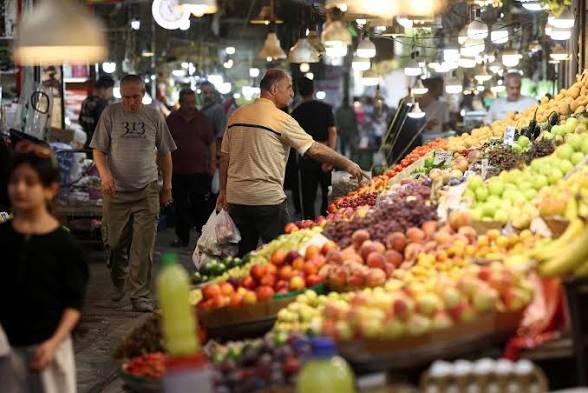
The government has also introduced restrictions on subsidised bread purchases in several provinces. Under the system, households face limits on the amount of bread they can purchase at subsidised prices.
Once their allocated quota is exhausted, consumers may have to pay significantly higher prices.
These decisions highlight the government’s growing difficulty in maintaining affordable access to essential resources.
According to reporting by The Washington Post on November 26, Iran is also facing reductions in food assistance and changes to some household support programmes. The reported measures have added to concerns about the financial pressure on vulnerable families.
The Washington Post+1
For ordinary citizens, the consequences are immediate. Families must increasingly manage household budgets while dealing with higher prices and uncertainty about electricity and fuel supplies.
Tehran Begins Rationing Electricity as Winter Approaches
The country’s national electricity company, Tavanir, announced that power distribution restrictions would begin on November 22, 2026.
Mohammad Allahdad, head of the national electricity company, said the restrictions were necessary because of difficulties supplying fuel to power plants.
Officials indicated that affected consumers could experience interruptions lasting up to two hours. Depending on the availability of fuel and the severity of winter demand, the situation could become more difficult.
The government has encouraged households to reduce unnecessary electricity consumption to limit the need for additional outages.
However, electricity shortages are not a completely new problem for Iran.
The country has experienced repeated power disruptions in recent years despite possessing significant oil and natural gas reserves. An ageing electricity network, insufficient investment, rising demand, and fuel supply problems have contributed to the problem.
The current crisis has made these longstanding weaknesses more difficult to manage.
According to Radio Free Europe/Radio Liberty, Iranian authorities announced electricity rationing after warnings that damage to energy infrastructure and fuel shortages could worsen conditions during winter.
RadioFreeEurope/RadioLiberty+1
Why Is Iran Facing Electricity Shortages?
Several factors are contributing to the electricity crisis.
First, Iran depends heavily on natural gas to generate electricity. When gas supplies become limited, power plants face difficulties maintaining normal production.
Second, damage to gas infrastructure has reduced the country’s ability to process and distribute fuel.
Third, electricity demand increases significantly during extreme weather. Households require additional heating and lighting, while businesses and industrial facilities also need reliable energy supplies.
Finally, years of underinvestment and economic restrictions have made infrastructure improvements more difficult.
According to Al Jazeera’s November 25 analysis, approximately 86% of Iran’s electricity is normally generated using natural gas. This dependence makes the electricity sector particularly vulnerable when gas supplies become insufficient.
Al Jazeera+1
Winter Could Make the Energy Crisis Worse
Winter presents an additional challenge for Iranian authorities.
As temperatures fall, households increase their consumption of natural gas for heating. Power plants also require sufficient fuel to maintain electricity production.
This creates competition between domestic heating requirements and electricity generation.
Iranian officials have warned that the country could experience significant gas shortages during the winter season.
The government has urged citizens to reduce energy consumption, but conservation alone may not resolve the underlying supply problems.
If fuel shortages continue, authorities could be forced to introduce additional restrictions.
Such developments could affect homes, schools, hospitals, commercial establishments, and manufacturing facilities.
Iran Cuts Subsidies and Restricts Affordable Bread Purchases
For decades, the Iranian government has used subsidies to make essential goods more affordable. Bread, fuel, lectricity, and other basic necessities have received government support to protect household purchasing power.
However, the financial cost of maintaining these programmes has increased as government revenues come under pressure.
Authorities have now introduced tighter controls on subsidised bread purchases in several provinces.
The programme, described in Iranian reporting as bread purchase management, uses bakery payment systems to monitor purchases.
The restrictions have reportedly affected provinces including Markazi, Khuzestan, and Zanjan.
Under the reported arrangement, households can purchase a limited amount of bread at subsidised prices. Once their allocated quota is exhausted, they may need to pay substantially more.
Radio Free Europe/Radio Liberty reported on November 22 that the restrictions were introduced through bakery card readers, with customers and bakers receiving limited advance information about the changes.
RadioFreeEurope/RadioLiberty+1
Why Is the Government Restricting Bread Subsidies?
Bread is one of the most important everyday food products in Iran.
Government subsidies have traditionally helped households purchase bread without facing the full cost of production.
However, rising production costs, inflation, financial pressure, and difficulties maintaining public spending have made the subsidy system increasingly challenging.
The government is attempting to manage the available supply while controlling expenditure.
Nevertheless, limiting subsidised purchases can create additional difficulties for low-income families.
Households that depend heavily on affordable bread may face higher food expenses once their quotas are exhausted.
The effects could be particularly serious for families with several children, unemployed workers, pensioners, and people whose incomes have not increased alongside food prices.
Fuel Rationing Adds to Household Financial Pressure
Fuel availability is another major concern.
Iran has historically maintained heavily subsidised gasoline prices. These policies have helped keep transportation costs relatively low for consumers.
However, fuel shortages, smuggling concerns, and increasing demand have placed pressure on the distribution system.
Instead of immediately removing all fuel subsidies, authorities have increasingly relied on rationing and tighter access to subsidised supplies.
Recent reporting indicates that Iran has introduced additional restrictions on access to certain fuel allocations, particularly through station fuel cards.
The government has also expanded the use of different pricing tiers.
Drivers who exceed their cheaper monthly allocations may have to purchase fuel at significantly higher prices.
Iran International reported on November 14 that authorities had withdrawn station fuel cards in several provinces as part of efforts to address fuel smuggling and manage supplies. Tehran’s arrangements have remained different from those in some other provinces.
Iran International
How Fuel Restrictions Affect Ordinary Citizens
Fuel restrictions can influence several parts of the economy.
For private vehicle owners, tighter allocations may increase transportation expenses.
For businesses, higher fuel costs can raise delivery and operating expenses.
Public transportation operators and commercial drivers may also face additional pressure if affordable fuel becomes harder to obtain.
Furthermore, higher transportation costs can affect the prices of food and other essential products.
This creates another challenge for households already dealing with high inflation.
The government’s approach reflects an effort to control fuel consumption without introducing an immediate nationwide increase in all subsidised prices.
However, restricting access rather than simply increasing prices does not eliminate the underlying shortage.
Inflation Makes Iran’s Economic Crisis More Difficult
Iran’s austerity measures are being introduced against a background of exceptionally high inflation.
Rising prices have reduced the purchasing power of ordinary citizens. Even households with regular employment are finding it difficult to manage increasing expenses.
According to Iran’s Statistical Centre figures reported by Reuters, annual inflation reached 76.8% in October 2026. Consumer prices were 88.7% higher than in October 2025.
Food and beverage prices experienced particularly sharp increases, making essential shopping more expensive for families.
Reuters reported these figures on November 25 while examining the government’s efforts to control rising prices amid the economic crisis.
Reuters+1
Food Prices Create Additional Pressure
Food inflation is particularly concerning because households cannot easily avoid purchasing essential products.
Families must continue spending money on bread, rice, cooking oil, vegetables, dairy products, and other necessities.
When these products become more expensive, households often reduce spending elsewhere.
Some families may postpone medical appointments, reduce food purchases, or use savings to cover everyday expenses.
A November survey published by Iran International found that more than 70% of respondents said they had either reduced food purchases or postponed medical treatment because of rising prices.
Although the survey involved 404 respondents and should not be treated as a nationwide measurement, it illustrates the financial difficulties reported by many households.
Iran International
Falling Purchasing Power Affects Workers
Inflation also creates problems for employees whose salaries do not increase at the same pace as prices.
Workers may receive regular wages but still struggle to afford basic necessities.
Pensioners and people dependent on fixed incomes are particularly vulnerable.
If the government reduces subsidies without providing sufficient financial assistance, these groups could face additional economic hardship.
The growing gap between wages and living costs is therefore becoming a central issue in Iran’s economic debate.
US Sanctions and Trade Restrictions Add to Tehran’s Problems
International economic pressure is another major factor behind Iran’s current difficulties.
The country has faced extensive US sanctions for decades. These restrictions have affected its access to international financial systems, investment, technology, and important trading opportunities.
The latest economic pressure has become more serious because of the ongoing conflict and restrictions on Iranian maritime trade.
According to Reuters, the United States reinstated its naval blockade of Iranian ports in July 2026. Washington has also announced additional measures intended to restrict the movement of sanctioned materials and other goods.
Iranian officials, however, have argued that alternative trade routes can help the country maintain supplies.
First Vice President Mohammad Reza Aref said on November 25 that increased cargo clearance through non-southern borders demonstrated Iran’s ability to withstand the blockade.
He also claimed that strategic reserves remained strong, although he did not provide detailed figures.
At the same time, Aref acknowledged the government’s efforts to prevent further increases in the prices of essential goods.
Reuters
How Sanctions Affect the Iranian Economy
Economic sanctions can affect several important areas.
Oil revenue: Restrictions on oil exports can reduce government income and limit the foreign currency available to the country.
International investment: Foreign businesses may hesitate to invest because of sanctions and uncertainty.
Infrastructure development: Restrictions on financing and technology can make it harder to modernise power plants, refineries, and industrial facilities.
Trade and imports: Businesses may face additional difficulties obtaining equipment, spare parts, and other essential products.
Currency pressure: Limited access to foreign currency can contribute to instability in the exchange rate.
These challenges can reinforce one another.
For example, reduced investment can slow infrastructure improvements. Weak infrastructure can then contribute to energy shortages, which affect industrial production and employment.
Iran’s current difficulties therefore cannot be explained by a single policy decision.
Damage to Energy Infrastructure Deepens the Crisis
Iran’s energy problems existed before the latest conflict, but damage to important infrastructure has increased the pressure on the country.
Gas processing facilities are particularly important because natural gas supports electricity generation, household heating, and industrial operations.
According to Al Jazeera, attacks on Iranian energy infrastructure damaged several gas processing facilities during the conflict’s early stages.
Four processing plants were affected, initially reducing processing capacity by approximately 230 million cubic metres. Around 100 million cubic metres of that capacity had reportedly been restored by the time of the November 25 report.
The damage has complicated the government’s ability to maintain adequate supplies.
Al Jazeera+1
Natural Gas Shortages Threaten Winter Supplies
Iranian officials have warned that the country’s gas shortage could become considerably worse during winter.
Government spokesperson Fatemeh Mohajerani has warned of a potential shortfall of 430 million cubic metres per day, compared with approximately 300 million in previous years.
The National Iranian Gas Company has also warned that 11 of Iran’s 31 provinces could experience supply difficulties.
These figures underline the seriousness of the challenge facing the government.
If gas supplies become insufficient, authorities may have to prioritise certain sectors.
Households need heating, power plants need fuel, and factories require energy to continue operating.
Balancing these competing demands will be one of the government’s most difficult responsibilities during the coming months.
Iranian Industries Face Risks From Power Restrictions
Electricity rationing is not only a household issue. It also creates serious challenges for businesses and manufacturers.
Industrial facilities depend on consistent electricity to operate machinery, maintain production schedules, and meet customer orders.
Unexpected outages can interrupt manufacturing processes and increase operating costs.
Small businesses may also struggle to remain open when electricity supplies become unreliable.
Factories that experience repeated interruptions could reduce production or temporarily suspend operations.
Iranian officials have expressed concern about the potential impact of energy shortages on employment.
Al Jazeera reported that an Iranian parliamentarian cited estimates of approximately 600,000 job losses associated with reduced industrial production during the conflict.
The same reporting highlighted warnings that more than one million workers could face unemployment if gas shortages continue.
These figures are reported estimates and warnings, rather than a verified count of future job losses.
Al Jazeera
Small Businesses Could Face Greater Difficulties
Small businesses often have fewer resources to manage unexpected expenses.
A shopkeeper may lose sales during a power outage. A restaurant may struggle to store food safely. A workshop may be unable to complete customer orders on time.
Businesses may also need to purchase generators or alternative fuel supplies.
These additional expenses can reduce profits and force owners to increase prices.
Consequently, electricity rationing can affect the wider economy even when the government attempts to protect major industrial facilities.
Government Faces a Difficult Balance Between Savings and Public Welfare
Iran’s government is facing a complicated policy challenge.
On one hand, it needs to reduce financial pressure and manage limited resources.
On the other hand, it must prevent austerity measures from placing excessive burdens on ordinary citizens.
Reducing subsidies may help lower public expenditure, but it can also increase the cost of essential goods.
Electricity rationing may reduce immediate pressure on the power grid, but prolonged interruptions can damage economic activity.
Fuel restrictions may help manage distribution, but they can increase transportation difficulties.
These competing priorities make economic reform particularly difficult.
Why Subsidy Reform Is Politically Sensitive
Iran’s subsidy system has played an important role in household finances for decades.
Many citizens have become accustomed to relatively low prices for electricity, fuel, and basic food products.
Sudden price increases can therefore create significant public dissatisfaction.
Previous attempts to change fuel pricing have triggered widespread public anger.
The government must consider these political consequences while introducing new economic policies.
As a result, authorities may prefer gradual restrictions, quotas, and targeted adjustments instead of immediately removing all subsidies.
However, gradual changes can still cause serious financial pressure if household incomes remain weak.
Public Reaction to Iran’s Austerity Measures
The latest restrictions have raised concerns among workers, pensioners, business owners, and families.
People are particularly worried about the possibility of further increases in food prices and disruptions to electricity supplies.
For low-income households, even relatively small changes in the price of basic goods can affect monthly budgets.
Workers also face uncertainty about whether businesses will continue operating normally if energy shortages become more severe.
According to recent reporting by The Wall Street Journal, economic pressure has contributed to growing dissatisfaction among workers, retirees, teachers, and other groups.
The economic situation has also increased disagreements among political figures over how the government should respond to the crisis.
The Wall Street Journal+1
Concerns About Further Economic Hardship
Public concerns extend beyond electricity and food.
Families also worry about employment, medical expenses, transportation, rent, and the future value of their savings.
When inflation remains high, households may lose confidence in their ability to plan financially.
This uncertainty can affect consumer spending and business investment.
If people expect prices to rise further, they may change their purchasing habits, while businesses may delay expansion plans.
Such behaviour can weaken economic activity even further.
Can Iran Avoid a Deeper Economic Crisis?
Iran’s ability to avoid a deeper economic crisis will depend on several factors.
The first is whether the government can stabilise energy supplies before winter demand reaches its peak.
The second is whether authorities can control inflation and protect access to essential food products.
The third is whether international trade restrictions and economic sanctions become less severe.
Without improvements in these areas, the government could face increasing difficulties maintaining public services and supporting vulnerable households.
Energy Infrastructure Investment Is Essential
Long-term improvements will require investment in electricity generation, gas processing, transmission networks, and energy efficiency.
Iran needs to modernise ageing infrastructure and improve the reliability of its energy distribution system.
Repairing damaged facilities will also be important.
However, sanctions and financial restrictions could make access to international technology and investment more difficult.
Economic experts have argued that subsidy reform must be accompanied by infrastructure investment and better management of energy consumption.
Simply asking households to use less electricity cannot solve structural problems within the energy sector.
Al Jazeera+1
Financial Support for Vulnerable Families
Another important priority is protecting low-income households.
If the government reduces subsidies, it may need to expand targeted financial assistance to compensate families facing higher costs.
Support for pensioners, unemployed workers, and households with limited incomes could help reduce the impact of austerity.
However, such programmes require sufficient government funding and effective distribution systems.
Without adequate protection, economic reforms could increase inequality and deepen existing financial difficulties.
What Happens Next for Iran’s Economy?
The coming winter will be an important test for Iran’s economic policies.
Authorities must manage electricity distribution, maintain natural gas supplies, control fuel consumption, and prevent essential food products from becoming unaffordable.
The government has indicated that it wants to protect industrial production while asking households to reduce unnecessary energy consumption.
However, maintaining this balance will become more difficult if fuel supplies remain limited.
International developments will also influence the country’s economic outlook.
Any improvement in trade conditions, access to investment, or diplomatic relations could help reduce some economic pressures.
Conversely, prolonged restrictions and further infrastructure damage could make recovery more difficult.
For ordinary Iranians, the most important questions remain practical: whether electricity will remain available, whether food prices will stabilise, and whether household incomes will be sufficient to cover basic expenses.
Iran’s austerity measures demonstrate the difficult choices facing Tehran as it attempts to manage an economic crisis involving energy shortages, inflation, and reduced access to essential resources.
The effectiveness of these policies will ultimately depend on whether the government can stabilise the economy without placing an unsustainable burden on its population.
Conclusion
Iran’s austerity measures mark another difficult period for the country’s economy. Electricity rationing, restrictions on subsidised bread, and tighter fuel distribution are increasing pressure on households already struggling with inflation.
The crisis reflects a combination of longstanding infrastructure weaknesses, international sanctions, conflict-related damage, and financial difficulties.
Although Tehran is attempting to manage limited resources and protect essential industries, the consequences of these policies could be significant for ordinary citizens.
As winter approaches, reliable energy supplies and affordable food will become even more important.
Iran’s economic future will depend on its ability to address these immediate shortages while introducing sustainable reforms that protect both economic stability and household welfare.
Frequently Asked Questions (FAQs)
1. Why is Iran introducing austerity measures in 2026?
Iran is introducing austerity measures because of growing economic pressure, high inflation, energy shortages, infrastructure damage, and international trade restrictions. The government is attempting to manage limited resources and reduce pressure on public finances.
2. Why is Tehran rationing electricity?
Iran is rationing electricity because power plants are facing difficulties obtaining sufficient fuel. Damage to gas infrastructure, ageing energy facilities, and increased seasonal demand have contributed to electricity shortages.
3. How long will electricity cuts last in Iran?
Iranian electricity officials have warned that affected areas could experience power interruptions lasting up to two hours. The duration may increase depending on fuel availability and winter demand.
4. Is Iran cutting bread subsidies?
Iran has introduced restrictions on subsidised bread purchases in several provinces. Under the reported system, households face purchase limits and may have to pay higher prices after exhausting their subsidised allocations.
5. Why is Iran restricting fuel supplies?
Iran is tightening fuel distribution to manage shortages, address smuggling concerns, and control consumption. Authorities have introduced restrictions involving fuel cards and different pricing tiers.
6. How are US sanctions affecting Iran’s economy?
US sanctions restrict Iran’s access to international finance, investment, technology, and trade. These restrictions can affect oil revenues, infrastructure development, imports, and the country’s ability to stabilise its economy.
7. How high is inflation in Iran in 2026?
According to figures reported by Reuters, Iran’s annual average inflation rate reached 76.8% in October 2026, while consumer prices were 88.7% higher than a year earlier.
8. Will Iran face more electricity shortages during winter?
Further shortages are possible because winter increases demand for natural gas and electricity. Iranian officials have warned that fuel supply difficulties could result in additional restrictions.
9. How will austerity measures affect Iranian households?
Households could face higher food and transportation expenses, electricity interruptions, reduced purchasing power, and difficulties accessing subsidised essentials. Low-income families may experience the greatest pressure.
10. Can Iran recover from its current economic crisis?
Recovery will depend on stabilising inflation, repairing energy infrastructure, improving trade conditions, attracting investment, and introducing effective economic reforms. Protecting vulnerable households will also be essential.
About the Author