Mitch McConnell Health Buzz: Senate Power Shift, GOP Pressure, America Reacts
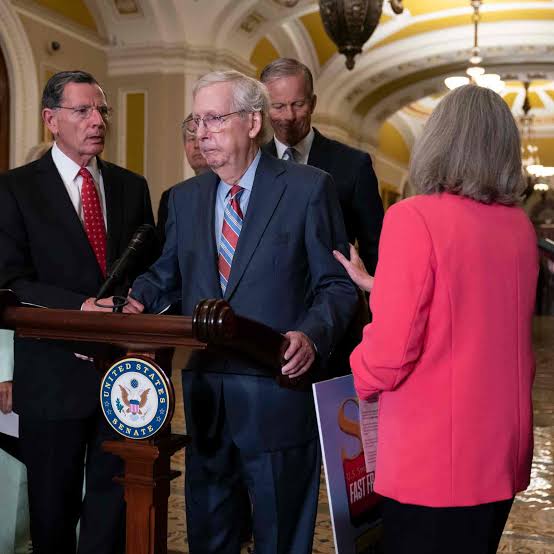
The political spotlight has once again turned toward Mitch McConnell as concerns about his health continue to dominate headlines, trigger political speculation, and spark nationwide debate over leadership in Washington. For years, McConnell has been one of the most influential figures in American politics. Now, every public appearance, hospital visit, and Senate absence is being closely watched by Republicans, Democrats, and voters alike.
Recent reports revealed that McConnell was hospitalized after experiencing flu-like symptoms earlier this year. His office described the hospitalization as precautionary and later confirmed that his prognosis was positive. Still, the news reignited discussions about age, political leadership, and the future of Republican power in the U.S. Senate.
At the same time, the GOP is preparing for a post-McConnell era. His decision not to seek reelection in 2026 marked the end of one of the most significant political careers in modern American history. The result is growing uncertainty about who will shape Senate Republican strategy moving forward and whether the party will continue McConnell’s traditional conservative approach or fully embrace the populist direction associated with President Donald Trump.
As America reacts, the conversation is no longer only about one senator’s health. It has become a larger debate about aging leadership, Senate control, party identity, and the future of American governance.
Mitch McConnell’s Health Concerns Return to National Attention

McConnell’s health has been a recurring topic in political news over the past several years. The longtime Kentucky senator has experienced multiple public health incidents, including falls and highly publicized freezing episodes during press conferences in 2023. These moments generated intense media coverage and prompted widespread questions about his ability to continue serving in one of the nation’s most demanding political roles.
Earlier this year, McConnell checked himself into a hospital after suffering flu-like symptoms. His office emphasized that the move was made “out of an abundance of caution” and reassured the public that he remained in contact with staff members while recovering.
Days later, reports confirmed that he had been released from the hospital and was recovering at home. While the situation appeared stable, political observers immediately connected the hospitalization to ongoing concerns surrounding aging lawmakers in Congress.
The Senate currently includes several members over the age of 70, and debates about generational leadership are becoming increasingly common. McConnell’s health challenges have become symbolic of a broader issue facing Washington: whether America’s political institutions are adapting quickly enough to changing voter expectations.
The End of an Era in the Senate
McConnell’s announcement that he would not seek reelection in 2026 was a political earthquake. After decades in office and years serving as Senate Republican leader, his departure signals a major transition within the GOP.
For supporters, McConnell represented strategic discipline and conservative judicial transformation. He played a major role in reshaping the federal courts, including the confirmation of multiple Supreme Court justices during Republican administrations. His influence over Senate procedure and party unity earned him a reputation as one of the most effective Senate leaders in modern history.
Critics, however, viewed him as the face of partisan obstruction and political hardball tactics. His refusal to allow hearings for Merrick Garland’s Supreme Court nomination in 2016 became one of the defining moments of modern American politics.
Now, with McConnell preparing to leave office, Republicans face a difficult challenge: deciding whether to continue his institutional style of leadership or move toward a more aggressive populist strategy aligned with Trump-era politics.
Senate Power Shift Creates Republican Pressure
The transition away from McConnell’s leadership comes during a particularly tense moment for Senate Republicans. Internal divisions over the filibuster, foreign policy, and legislative strategy are becoming increasingly visible.
Recent reports suggest growing pressure within the GOP to weaken or eliminate the Senate filibuster, a rule McConnell strongly defended throughout his career. Several Republicans who once supported the filibuster are now reconsidering their positions, especially as they seek faster movement on conservative legislation.
This debate highlights a larger ideological struggle within the Republican Party. McConnell traditionally favored institutional stability and gradual legislative maneuvering. Newer Republican voices increasingly demand direct confrontation and faster policy action.
That tension is particularly evident in the race to replace McConnell’s Senate seat in Kentucky. Republican candidates seeking to succeed him have often distanced themselves from his legacy, reflecting changing dynamics within the GOP base.
The political pressure is enormous because Senate control remains one of the most critical battlegrounds in American politics. Republicans know that leadership transitions can reshape fundraising, legislative priorities, and national messaging heading into future elections.
America Reacts to the McConnell Health Debate
Public reactions to McConnell’s health news have been deeply divided.
Supporters praised his decades of service and defended his right to continue working despite health setbacks. Many conservatives argue that McConnell’s experience and strategic understanding of Senate rules remain valuable assets for Republicans navigating a polarized political environment.
Others believe the ongoing health incidents reinforce the need for generational change in Washington. Online discussions have become especially intense, with social media users debating whether elderly politicians should continue holding positions of power.
The reactions also reflect broader frustration among voters who feel disconnected from political leadership in both parties. Concerns about age and transparency have increasingly become bipartisan issues.
Even among Republicans, opinions differ sharply. Some traditional conservatives appreciate McConnell’s focus on judicial appointments, defense policy, and Senate strategy. Meanwhile, populist voters often criticize him for clashes with Trump and what they view as establishment Republican politics.
The debate surrounding McConnell therefore extends beyond one individual. It reflects a larger national conversation about leadership, accountability, and the direction of American democracy.
Trump Influence Changes the GOP Landscape
One major reason McConnell’s exit matters so much is the changing balance of power inside the Republican Party.
Over the past several years, tensions between McConnell and Donald Trump became increasingly public. While McConnell often supported conservative judicial goals aligned with Trump, the two men frequently disagreed on strategy, election messaging, and foreign policy.
The Republican primary battle for McConnell’s Senate seat demonstrates how much the party has changed. Trump-backed candidates now dominate many GOP contests, and loyalty to Trump often carries greater political weight than alignment with traditional Senate leadership.
This shift creates uncertainty about how Senate Republicans will govern after McConnell leaves office. Will the party prioritize institutional negotiation and procedural expertise, or will it move toward a more confrontational style focused on rapid political mobilization?
Political analysts believe the answer could shape congressional politics for years.
McConnell’s Legacy Still Shapes Washington
Despite the current controversy, McConnell’s influence on American politics remains enormous.
His leadership fundamentally changed the federal judiciary. Conservatives credit him with helping secure a long-term ideological shift in the courts. Even many political opponents acknowledge his effectiveness as a strategist.
McConnell also shaped Senate norms through his mastery of parliamentary tactics. He understood how to use procedure, timing, and coalition-building to maximize Republican influence even during periods when Democrats controlled the White House.
His defenders argue that history may ultimately view him as one of the most consequential Senate leaders ever. Critics counter that his tactics intensified partisan polarization and weakened trust in political institutions.
Either way, few deny his historical significance.
The Future of the Republican Senate
As McConnell prepares to leave office, Republicans face a complicated future.
Several younger GOP senators are already competing for influence inside the party. The debate over the filibuster, spending priorities, and foreign policy will likely intensify after McConnell’s departure.
At the same time, Republicans must balance competing political forces:
- Traditional conservatives focused on institutional governance
- Trump-aligned populists demanding aggressive action
- Swing-state Republicans seeking broader voter appeal
Whoever emerges as the next dominant Senate Republican figure will inherit a deeply divided political environment.
The stakes are especially high because Senate control often determines judicial appointments, budget negotiations, and national legislative priorities. Even small leadership changes can have massive long-term consequences.
Why the McConnell Story Resonates Nationally
The reason this story continues generating headlines is simple: Mitch McConnell represents far more than a single Senate seat.
He symbolizes an entire era of Republican politics — one built on procedural mastery, judicial conservatism, and institutional power. His health concerns and impending retirement therefore feel like the closing chapter of a major political generation.
At the same time, Americans increasingly worry about the age and effectiveness of political leadership across Washington. McConnell’s situation taps directly into those concerns.
For many voters, the conversation is no longer only about Republican politics. It is about whether America’s political system is prepared for generational change in a time of deep national division.
Media Coverage and Public Fascination
News coverage surrounding McConnell has remained intense because the public sees his situation as politically significant.
Every update regarding his health immediately sparks speculation about Senate votes, leadership battles, and legislative negotiations. Cable news networks, political commentators, and social media influencers continue analyzing his role within the Republican Party.
The fascination also reflects how closely divided modern American politics has become. In a narrowly divided Senate, the health or retirement of even one senator can dramatically influence national policy outcomes.
That reality ensures McConnell will remain part of the political conversation even after he officially leaves office.
Conclusion
The ongoing buzz surrounding Mitch McConnell reflects much more than concern over one politician’s health. It represents a major turning point for the Republican Party, the U.S. Senate, and the broader American political system.
McConnell’s hospitalization earlier this year, combined with his decision not to seek reelection, intensified discussions about aging leadership, party identity, and the future direction of conservative politics.
As Republicans prepare for a post-McConnell era, internal divisions over Senate rules, Trump’s influence, and legislative priorities are becoming increasingly visible. Meanwhile, public reactions continue revealing deep national frustration and political polarization.
Whether admired or criticized, McConnell’s influence on Washington is undeniable. His departure marks the end of one of the most consequential political careers in modern American history — and the beginning of a new chapter in Senate politics.
FAQs
Who is Mitch McConnell?
Mitch McConnell is a longtime Republican senator from Kentucky and former Senate Republican leader. He has served in the Senate since 1985.
Why is Mitch McConnell in the news?
McConnell recently made headlines after being hospitalized with flu-like symptoms and because he announced he will not seek reelection in 2026.
Did Mitch McConnell retire?
McConnell has not retired immediately, but he confirmed he will not run for another Senate term in 2026.
What health issues has Mitch McConnell faced?
In recent years, McConnell has experienced falls, public freezing episodes, and hospitalization for flu-like symptoms.
Why does Mitch McConnell matter politically?
McConnell played a major role in shaping conservative judicial appointments, Senate Republican strategy, and national legislative priorities for decades.
Who could replace Mitch McConnell?
Several Republican figures are competing for his Kentucky Senate seat, including candidates backed by Trump-aligned conservatives.
How are Americans reacting?
Public reactions are divided. Some praise McConnell’s service and leadership experience, while others argue his health concerns highlight the need for generational political change.
How useful was this post?
Click on a star to rate it!
Average rating 0 / 5. Vote count: 0
No votes so far! Be the first to rate this post.
About the Author

usa5911.com
Administrator
Hi, I’m Gurdeep Singh, a professional content writer from India with over 3 years of experience in the field. I specialize in covering U.S. politics, delivering timely and engaging content tailored specifically for an American audience. Along with my dedicated team, we track and report on all the latest political trends, news, and in-depth analysis shaping the United States today. Our goal is to provide clear, factual, and compelling content that keeps readers informed and engaged with the ever-changing political landscape.