Charlie Kirk Showdown: Conservative Clash, Campus Debate, America Reacts
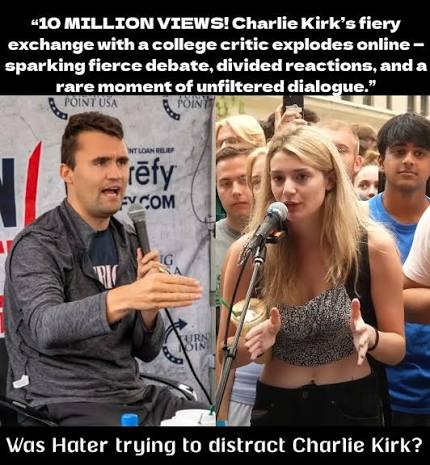
Few conservative activists in recent years have generated as much attention, controversy, and online discussion as Charlie Kirk. Whether speaking on college campuses, appearing in viral debate clips, or leading conservative youth movements, Kirk became one of the most recognizable political figures among Gen Z conservatives in America.
Now, the “Charlie Kirk showdown” is once again dominating headlines and social media conversations as debates over free speech, conservative activism, and campus politics intensify across the United States. From supporters praising his willingness to challenge liberal narratives to critics accusing him of deepening political division, America remains sharply divided over his influence.
The national reaction reflects something much larger than one political personality. It highlights the growing ideological battle taking place on college campuses, social media platforms, and within the future of American politics itself.
Recent reports show that Kirk’s influence on young conservative activism continues to shape political organizing and campus debate culture across the country.
Who Is Charlie Kirk?

Turning Point USA founder Charlie Kirk rose to national prominence by building a conservative student movement aimed at countering what he described as liberal dominance in schools and universities.
Founded in 2012, Turning Point USA expanded rapidly and became one of the most influential youth-oriented conservative organizations in America. The organization focused heavily on free-market principles, conservative social values, and strong opposition to progressive campus activism.
Kirk built his brand around direct confrontation and debate. His campus appearances often featured open microphone sessions where students challenged him on topics including:
- Immigration
- Abortion
- LGBTQ rights
- Free speech
- Race relations
- Gender identity
- Government spending
- Religion in politics
These debates frequently went viral online, generating millions of views and helping him build a massive digital following.
Videos of Kirk debating students became a defining feature of modern conservative media culture.
Why the Charlie Kirk Showdown Is Trending
The latest wave of attention surrounding the “Charlie Kirk showdown” reflects America’s ongoing culture war over higher education and political identity.
Supporters argue that Kirk gave conservative students confidence to speak openly in environments they viewed as politically hostile. Critics argue his rhetoric contributed to polarization and intensified ideological conflict on campuses.
According to recent reporting, many Gen Z conservatives now describe themselves as followers of the “Kirk doctrine,” emphasizing aggressive debate tactics, direct ideological confrontation, and anti-establishment messaging.
The phrase has become symbolic of a broader movement rather than just one individual.
Political observers note that Kirk’s influence extends beyond conservative media. Liberal organizations have also started launching debate-focused campus tours in response to the growing popularity of conservative youth activism.
This escalation has transformed college campuses into major battlegrounds for America’s political future.
Campus Debate Culture Is Changing
For decades, universities were often viewed as overwhelmingly liberal spaces. However, conservative organizers increasingly argue that students want more open ideological debate rather than one-sided political environments.
Kirk’s strategy focused heavily on public confrontation instead of traditional lectures. He encouraged direct exchanges with students who disagreed with him.
That model proved highly effective in the social media era.
Short-form debate clips spread rapidly online because they delivered:
- Conflict
- Emotional reactions
- Quick political arguments
- Viral moments
- Audience participation
As a result, political debate itself became entertainment content.
Recent campus tours inspired by Kirk’s style continue drawing major crowds nationwide.
Supporters claim this proves young Americans are hungry for political discussion and ideological competition.
Critics, however, argue that the format rewards confrontation over understanding and prioritizes “viral moments” instead of meaningful dialogue.
America Reacts to the Conservative Clash
The public reaction to Charlie Kirk remains deeply divided.
Supporters Say He Defended Free Speech
Conservative supporters view Kirk as someone willing to challenge progressive orthodoxy on campuses where many right-leaning students felt marginalized.
They argue that:
- Universities suppress conservative opinions
- Students fear social backlash for dissenting views
- Conservative voices are often labeled controversial unfairly
- Open debate strengthens democracy
Many conservatives believe Kirk helped normalize right-wing political engagement among younger Americans.
Supporters also point to the rapid expansion of Turning Point USA chapters nationwide as evidence of growing conservative youth activism.
For many young conservatives, Kirk represented confidence, confrontation, and political visibility.
Critics Say Polarization Has Intensified
Critics argue that Kirk’s approach encouraged division and ideological hostility.
Opponents accuse him of:
- Oversimplifying complex issues
- Promoting inflammatory rhetoric
- Increasing campus tension
- Encouraging online outrage culture
- Deepening America’s political divide
Some civil rights organizations and academic commentators criticized his messaging over the years as extreme or deliberately provocative.
Others argue that modern political media increasingly rewards outrage because controversy drives engagement and fundraising.
This debate reflects a broader concern about whether American political discourse is becoming more combative and less constructive.
Gen Z and the Rise of Political Identity
One reason the Charlie Kirk showdown resonates so strongly is because Gen Z voters are becoming politically active during a highly polarized era.
Young Americans today face:
- Economic uncertainty
- Housing affordability problems
- Student debt concerns
- Social media pressure
- Rapid cultural change
- Political distrust
In that environment, political movements offering strong identity and community often gain traction.
Recent reports suggest many conservative students see Turning Point USA not only as a political organization but also as a social support network.
At the same time, progressive student groups are responding with their own organizing efforts and debate initiatives.
This growing activism on both sides shows how politically engaged younger Americans have become.
Social Media’s Role in the Charlie Kirk Phenomenon
Social media played a massive role in Kirk’s rise to prominence.
Unlike traditional politicians, Kirk built influence through:
- YouTube clips
- TikTok videos
- Podcasts
- Campus livestreams
- Viral confrontations
- Online commentary
Political communication has changed dramatically in the digital era.
Instead of long speeches or policy papers, audiences increasingly consume:
- Short clips
- Debate highlights
- Emotional reactions
- Meme culture
- Influencer commentary
Kirk adapted successfully to that environment.
His debate style worked especially well online because it created highly shareable moments that generated millions of impressions across platforms.
Political strategists from both parties now study these tactics closely.
Conservative Youth Movements Are Expanding
Turning Point USA became one of the most influential conservative youth organizations in modern American politics.
The organization’s expansion into high schools and universities created a pipeline for young conservative activism.
Many Republican strategists believe youth outreach will play a critical role in future elections.
Historically, younger voters leaned heavily Democratic. However, recent trends suggest Republicans are increasingly focused on attracting:
- Young men
- Independent students
- Online political communities
- Anti-establishment voters
The “Charlie Kirk showdown” therefore represents more than campus arguments.
It reflects a long-term political strategy aimed at reshaping the future Republican voter base.
Political Violence and National Concern
Recent discussions involving Charlie Kirk have also raised broader concerns about political hostility and extremism in America.
Public polling following politically motivated incidents has shown widespread concern about rising political tension and the normalization of hostility in public discourse.
Many Americans across the political spectrum worry that:
- Political opponents increasingly view each other as enemies
- Social media amplifies outrage
- Conspiracy theories spread rapidly
- Public trust is collapsing
Analysts say the challenge facing America is balancing passionate political disagreement with democratic stability and civil discourse.
Free Speech vs Harmful Speech Debate
The Charlie Kirk debate also touches one of America’s biggest constitutional and cultural questions:
Where is the line between free speech and harmful speech?
Supporters believe controversial opinions should still be openly debated.
Critics argue that certain rhetoric can normalize discrimination or misinformation.
Universities especially struggle with this balance because they aim to promote:
- Academic freedom
- Student safety
- Open inquiry
- Inclusive environments
As political activism intensifies, campuses increasingly become testing grounds for these national debates.
The Future of Campus Politics
Political analysts believe campus activism will remain central to America’s future culture wars.
Several trends are likely to continue:
- More debate-style events
- More influencer-driven politics
- More student activism
- Increased social media political content
- Greater ideological polarization
Young voters are no longer passive political observers.
They are becoming highly organized, digitally connected, and deeply engaged in shaping national conversations.
The legacy of Charlie Kirk’s debate-centered activism continues influencing both conservatives and progressives today.
Conclusion
The “Charlie Kirk showdown” represents far more than one conservative activist or one political movement.
It reflects America’s larger ideological struggle over:
- Free speech
- Youth activism
- Campus politics
- Social media influence
- National identity
To supporters, Charlie Kirk symbolized courage and resistance against political conformity.
To critics, he embodied the escalation of confrontational political culture.
Either way, his influence on modern political communication and campus activism is impossible to ignore.
As America moves toward another politically charged era, debates over ideology, identity, and freedom of expression are likely to intensify even further.
And for many young Americans, the battle for the country’s future may begin not in Washington — but on college campuses.
FAQs
Who is Charlie Kirk?
Charlie Kirk was an American conservative activist and founder of Turning Point USA, a major conservative youth organization focused on campus activism and political engagement.
What is Turning Point USA?
Turning Point USA is a conservative nonprofit organization that promotes conservative politics on high school and college campuses across the United States.
Why is Charlie Kirk controversial?
Charlie Kirk became controversial because of his outspoken conservative views on issues including abortion, LGBTQ rights, immigration, and education policy. Critics accused him of promoting divisive rhetoric, while supporters praised his defense of free speech.
Why are Charlie Kirk campus debates popular online?
His debates became popular because they created short, emotionally charged clips ideal for social media platforms like YouTube, TikTok, and Instagram.
What is the “Kirk doctrine”?
The “Kirk doctrine” refers to a style of conservative activism centered around direct campus debate, social media influence, and aggressive ideological confrontation.
Why are campus politics becoming more intense?
Campus politics are becoming more intense because younger generations are highly engaged with issues involving identity, free speech, economics, and cultural values, often amplified through social media.
How useful was this post?
Click on a star to rate it!
Average rating 0 / 5. Vote count: 0
No votes so far! Be the first to rate this post.
About the Author

usa5911.com
Administrator
Hi, I’m Gurdeep Singh, a professional content writer from India with over 3 years of experience in the field. I specialize in covering U.S. politics, delivering timely and engaging content tailored specifically for an American audience. Along with my dedicated team, we track and report on all the latest political trends, news, and in-depth analysis shaping the United States today. Our goal is to provide clear, factual, and compelling content that keeps readers informed and engaged with the ever-changing political landscape.