MELANIA TRUMP UKRAINE CEASEFIRE: Former First Lady Successfully Brokers Local Truce For Frontline Town
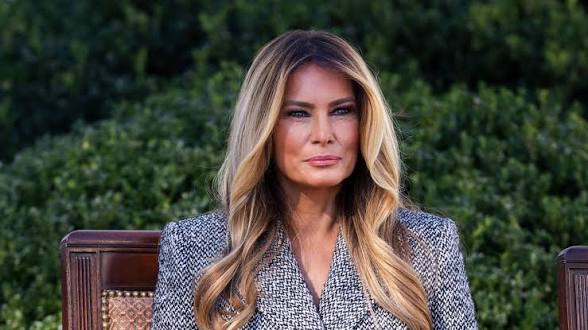
The Melania Trump Ukraine ceasefire announcement has drawn international attention as efforts continue to protect civilians affected by the Russia-Ukraine war. According to the White House, Melania Trump helped broker a temporary agreement to pause military activity around Oleshky, a heavily affected city in southern Ukraine.
The announcement, made on October 23, 2026, outlines a plan to deliver essential humanitarian supplies and help civilians leave the dangerous area. The localized ceasefire is scheduled to begin on October 29. However, it does not represent a nationwide ceasefire or an end to the wider war.
The development is significant because Oleshky’s remaining residents face severe shortages of food, medicine and clean water. Many are elderly people who have struggled to leave their homes amid continuing hostilities.
Melania Trump said she worked with Russian and Ukrainian leadership to establish the terms of the arrangement. Her involvement adds a new dimension to diplomatic efforts surrounding the conflict.
The immediate priority is clear: protect civilians, deliver emergency assistance and establish a safer route for those who want to evacuate.
What Is the Melania Trump Ukraine Ceasefire Agreement?
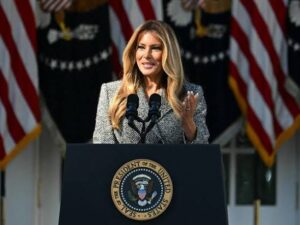
The Melania Trump Ukraine ceasefire agreement is a temporary, geographically limited arrangement intended to create a safer environment for humanitarian operations in Oleshky.
The White House says both Russia and Ukraine agreed to temporarily halt military action in the designated area. This pause is intended to support aid deliveries and preparations for civilian evacuations.
Unlike a broad peace agreement, this arrangement focuses on a specific humanitarian emergency. It does not resolve the territorial disputes or political disagreements that continue to drive the war.
The agreement has three central objectives:
Pause military activity: Create a temporary window for humanitarian operations.
Deliver emergency assistance: Bring food, medicine, hygiene supplies and other essential items to residents.
Support civilian evacuations: Help people who wish to leave reach their preferred destinations.
These objectives are closely connected. Aid teams need safe access to the city, while evacuation teams require routes that civilians can use without facing unnecessary danger.
However, announcing a ceasefire is only the first step. Its success will depend on cooperation between the military forces, effective coordination and compliance with the agreed arrangements.
Why Is Oleshky at the Centre of the Ceasefire?
Oleshky is located in Ukraine’s southern Kherson region, across the Dnipro River from territory held by Ukrainian forces. Russian forces captured the city during the full-scale invasion in February 2022.
Before the war, approximately 24,000 people lived there. The White House estimates that only around 1,700 to 2,000 residents remain, including approximately 50 children. Many others have fled or been displaced.
The city has suffered extensive damage. Its position near the frontline has exposed residents to prolonged insecurity and disrupted essential services.
The destruction of the Kakhovka Dam in June 2023 also caused devastating flooding across the region. Oleshky experienced major flood damage, adding to the hardships caused by the war.
Today, the humanitarian situation remains extremely difficult.
Reports describe shortages of food and medical supplies, limited access to clean water, and disrupted electricity and heating. Roads are dangerous, and mines present serious risks to anyone attempting to travel.
For elderly residents and people with disabilities, leaving the city without organised assistance may be particularly difficult.
That is why the proposed truce matters. A temporary pause could give humanitarian workers time to reach vulnerable people and help families make decisions about evacuation.
How Did Melania Trump Become Involved?
According to the White House, Melania Trump learned about the worsening situation in Oleshky during a private discussion connected to her Fostering the Future Together event in New York during the September 2026 United Nations General Assembly session.
She subsequently initiated discussions involving Russian and Ukrainian leadership.
The White House says she and her representative worked with both sides to establish the agreement’s objectives, timing, procedures and terms. The process involved several weeks of discussions and coordination.
Her involvement was also linked to earlier humanitarian work concerning children affected by the war.
The first lady has worked to facilitate the reunification of Ukrainian children with their families. Her office says six reunification efforts have helped return 34 children to their families.
According to the White House, the communication channels established during those efforts helped her team engage both countries over the Oleshky crisis.
This background is important because humanitarian negotiations often depend on communication, trust and practical cooperation.
Even when governments disagree on major political questions, they may still identify limited areas where cooperation can save lives.
In this case, the immediate goal is not to settle every dispute between Moscow and Kyiv. Instead, the focus is on reaching civilians who urgently need help.
What Will Happen When the Ceasefire Begins?
The ceasefire is scheduled to begin on October 29, 2026, according to the White House announcement. Reporting by the Associated Press describes a phased operation involving a temporary halt in fighting, humanitarian deliveries and civilian evacuations.
1. Establishing safer routes
Before aid convoys can enter the affected area, teams must address the danger posed by mines and other explosive hazards.
Mine clearance and route assessments are essential because humanitarian vehicles cannot safely travel through areas that have not been checked.
Even a temporary ceasefire does not automatically make every road safe. Conditions on the ground must be assessed carefully.
2. Delivering humanitarian aid
The next priority is to provide residents with essential supplies.
These may include food, drinking water, medicines, hygiene products and other necessities. Medical assistance is especially important for elderly residents and people with existing health needs.
Humanitarian teams will also need to assess the situation inside the city. This can help them identify households requiring urgent assistance.
3. Assessing residents’ needs
Civilian representatives from Russia and Ukraine are expected to work together to assess residents’ circumstances and determine what assistance they require.
This process should help identify people who need medical support, transport or other urgent services.
It is particularly important for people who cannot travel independently.
4. Organising civilian evacuations
Residents who want to leave Oleshky are expected to receive coordinated support and transportation.
Melania Trump has said people will be able to choose their preferred destination, with some potentially travelling to Russia and others to Ukraine.
However, the precise arrangements will depend on safe routes, transport availability and coordination between the parties. The full operational details have not been publicly disclosed.
Why Civilian Evacuation Is So Important
Civilian evacuation is one of the most urgent parts of the Melania Trump Ukraine ceasefire initiative.
People living near active fighting face several dangers at once. They may struggle to obtain food, maintain access to healthcare or find safe shelter.
Older residents often face additional challenges. Some may have mobility problems, chronic illnesses or limited family support. Others may be unwilling to leave familiar homes unless they have clear information about where they will go.
Children also require special protection during evacuation. Families need clear information about transport, accommodation, medical care and reunification arrangements.
A successful operation must therefore do more than move people away from immediate danger. It must also respect their choices and provide practical support during the journey.
The proposed arrangement allows residents to express a preference about their destination. That is an important consideration in a city divided by the wider conflict.
Nevertheless, the ability to choose a destination will depend on how the evacuation is implemented. Safe transport, reliable information and protection against coercion will remain essential.
Will Humanitarian Aid Reach Every Resident?
The ceasefire creates an opportunity for assistance, but it cannot guarantee that every resident will receive help immediately.
Oleshky presents serious logistical challenges. Its roads may contain mines, infrastructure has been damaged, and the surrounding area remains affected by military activity.
Aid organisations must also determine which supplies are most urgently needed. Food, drinking water and essential medicines may have to be prioritised according to residents’ conditions.
Communication presents another challenge. Humanitarian workers need accurate information about population numbers, vulnerable households and safe access routes.
The White House estimates the remaining population at 1,700 to 2,000 people, but it also acknowledges that a formal demographic count has not been conducted since 2022.
This uncertainty makes local assessments especially important.
A successful mission will require cooperation among civilian officials, humanitarian workers and the parties controlling access to the area. It will also require reliable arrangements for transporting and distributing supplies.
Ultimately, the agreement’s value will be measured by what happens on the ground, not simply by the announcement itself.
How Will the Ceasefire Be Monitored?
Monitoring will be critical to the operation’s success.
A temporary truce requires all participating forces to understand where the pause applies, when it begins and which activities are permitted. Confusion over these details could put civilians and aid workers at risk.
Melania Trump’s office has said an American media organisation will accompany and document Russian and Ukrainian teams during the operation. The stated aim is to help ensure that residents’ wishes are respected.
Independent documentation could help provide public visibility into the operation. However, media access alone cannot replace formal security arrangements or effective monitoring.
Questions remain about the precise boundaries of the ceasefire, the procedures for reporting violations and the mechanisms for resolving disputes.
The Associated Press reported that Ukrainian negotiator Dmytro Lubinets described the operation as extremely challenging to implement. He did not publicly provide all the details of the monitoring arrangements.
For residents, the most important issue is whether the pause holds long enough for aid deliveries and evacuations to proceed safely.
What Have Russia and Ukraine Said About the Truce?
The agreement involves Russian, Ukrainian and American representatives. Reports indicate that negotiators from the countries worked on the arrangements, although some public statements and details have differed in timing and scope.
The White House presented Melania Trump’s role as central to initiating discussions and coordinating the proposed ceasefire. Ukrainian human rights ombudsman Dmytro Lubinets also described the negotiations as having proceeded under her coordination.
Russian officials have also addressed the planned operation. According to the Associated Press, Kremlin spokesman Dmitry Peskov said residents wishing to leave Oleshky would be able to do so. He did not specify all the details of their destinations or the duration of the evacuation.
These developments suggest that the initiative has moved beyond a general humanitarian appeal and into practical planning.
However, the ceasefire’s implementation remains the decisive test. Both sides must follow the agreed arrangements, and civilian teams must be able to operate safely.
The agreement should therefore be viewed as a limited humanitarian development rather than proof that Russia and Ukraine have resolved their wider differences.
Could the Oleshky Truce Influence Future Peace Talks?
The Melania Trump Ukraine ceasefire could provide a useful example of limited cooperation during a prolonged conflict.
Large-scale peace negotiations often involve difficult questions about territory, security guarantees, military operations and political recognition. Progress on those issues can be slow.
Humanitarian agreements sometimes offer a narrower starting point. They can focus on specific needs, such as allowing medical supplies into a besieged area or helping civilians leave dangerous locations.
If the Oleshky operation proceeds safely, it could demonstrate that limited agreements remain possible even when broader negotiations face obstacles.
Other humanitarian initiatives might draw lessons from its planning, including the importance of clearly defined objectives, communication between opposing parties and practical evacuation procedures.
However, it would be premature to conclude that this local truce will lead directly to a nationwide ceasefire.
The agreement covers a specific area and purpose. A wider settlement would require additional negotiations and decisions by the governments involved.
Its broader diplomatic significance will depend on whether the parties honour their commitments and whether the operation produces measurable improvements for civilians.
What Challenges Could Threaten the Ceasefire?
Several risks could affect the implementation of the Oleshky agreement.
Continued military danger
The city remains close to active fighting. Even with a temporary pause, nearby hostilities and explosive hazards could complicate access.
Logistical difficulties
Damaged roads, limited transport and disrupted infrastructure may slow the delivery of supplies.
Uncertainty about evacuation routes
Authorities must establish safe routes and communicate clear instructions to residents. Any confusion could delay departures or expose civilians to danger.
Difficult decisions for residents
Some people may prefer to remain in their homes, while others may wish to leave. Evacuation plans must account for different circumstances and avoid pressuring residents into choices they do not want to make.
Limited duration
The ceasefire is temporary. Humanitarian teams must make effective use of the available window while considering what support residents will need afterward.
These challenges do not mean the agreement cannot succeed. Instead, they highlight why careful coordination and compliance will be essential.
What Melania Trump’s Role Means for the First Lady’s Office
The initiative highlights a humanitarian and diplomatic role that differs from the conventional public activities associated with a first lady.
Melania Trump has focused on issues involving children affected by war and family reunification. The Oleshky initiative extends that work to emergency aid and civilian evacuation.
The announcement also shows how informal communication channels can sometimes support negotiations on limited humanitarian questions.
Nevertheless, it is important to distinguish the role of a first lady from the formal authority of governments and military commands. The agreement requires operational cooperation by Russian and Ukrainian officials, regardless of who initiated the discussions.
The first lady’s involvement may help draw attention to the crisis and support negotiations. The success of the mission, however, will depend on implementation by the parties and the organisations involved.
The immediate humanitarian outcome matters more than the political symbolism surrounding the announcement.
What Happens Next?
The next major milestone is the planned start of the ceasefire on October 29, 2026.
Attention will focus on whether military activity pauses as agreed, whether mine-clearing and safety checks allow access to the city, and whether humanitarian supplies reach residents.
Observers will also watch for progress on civilian evacuations. Important questions include how many people choose to leave, which destinations they select and whether transport arrangements protect their safety.
The public will need reliable updates from officials and credible news organisations to understand how the operation develops.
Because some security details have not been disclosed, not every aspect of the mission can be assessed in advance.
For residents of Oleshky, the most important outcome is straightforward: access to essential supplies, medical assistance and a safe opportunity to leave if they choose.
The coming days will show whether the agreement can translate diplomatic commitments into practical relief.
Conclusion
The Melania Trump Ukraine ceasefire announcement marks a significant humanitarian development in the ongoing Russia-Ukraine war.
By helping broker a temporary truce for Oleshky, Melania Trump has supported an initiative designed to deliver essential supplies and facilitate civilian evacuations. The planned operation addresses an urgent crisis affecting a small but vulnerable remaining population.
Still, the agreement is limited in scope. It does not end the war or guarantee a permanent halt to fighting. Its success will depend on safe access, effective coordination and compliance by the parties involved.
As the October 29 start date approaches, the priority remains protecting civilians and ensuring that humanitarian assistance reaches those who need it most.
If the operation succeeds, it could offer a valuable example of how focused humanitarian cooperation can save lives even during a wider international conflict.
Frequently Asked Questions (FAQs)
1. Did Melania Trump broker a Ukraine ceasefire?
According to a White House announcement on October 23, 2026, Melania Trump helped broker a temporary, localized ceasefire between Russia and Ukraine for Oleshky. The agreement is intended to facilitate humanitarian aid and civilian evacuations.
2. Where will the Melania Trump ceasefire take place?
The ceasefire focuses on Oleshky, a city in Ukraine’s southern Kherson region that has been under Russian occupation since 2022.
3. When will the Oleshky ceasefire begin?
The White House announced October 29, 2026, as the start date. The operation is expected to provide a temporary window for humanitarian assistance and civilian evacuations.
4. Why does Oleshky need humanitarian aid?
Residents face shortages of food, medicine and clean water, alongside damaged infrastructure and continuing security risks. Many of the people who remain are elderly and need urgent assistance.
5. Will civilians be allowed to leave Oleshky?
The agreement provides for coordinated evacuations for residents who wish to leave. Melania Trump said residents would receive support to reach their preferred destinations, although the practical arrangements remain important.
6. Does the ceasefire mean the Russia-Ukraine war is ending?
No. The agreement is limited to a humanitarian operation around Oleshky. It does not establish a nationwide ceasefire or resolve the wider conflict.
7. What role did Melania Trump play in the negotiations?
The White House says she initiated discussions with Russian and Ukrainian leadership and worked with a representative to coordinate the agreement’s objectives, procedures and terms.
8. Will the ceasefire guarantee safe passage for every civilian?
The agreement aims to facilitate safe passage, but no operation in an active conflict zone is risk-free. Mine clearance, reliable transport, security coordination and compliance will all be essential.
9. Could the Oleshky truce lead to broader peace negotiations?
It could offer lessons for future humanitarian agreements. However, a local ceasefire does not automatically lead to a wider peace settlement, which would require additional negotiations.
10. How can readers follow updates on the ceasefire?
Readers should follow official White House announcements and reporting from established news organisations such as the Associated Press and CBS News. Updates should distinguish confirmed developments from claims that remain unverified.
How useful was this post?
Click on a star to rate it!
Average rating 0 / 5. Vote count: 0
No votes so far! Be the first to rate this post.
About the Author

usa5911.com
Administrator
Hi, I’m Gurdeep Singh, a professional content writer from India with over 3 years of experience in the field. I specialize in covering U.S. politics, delivering timely and engaging content tailored specifically for an American audience. Along with my dedicated team, we track and report on all the latest political trends, news, and in-depth analysis shaping the United States today. Our goal is to provide clear, factual, and compelling content that keeps readers informed and engaged with the ever-changing political landscape.