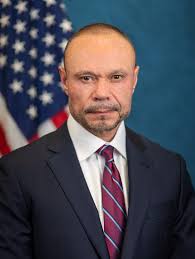
People Are Getting It Wrong: Attorney Fires Back At Reactions To Karmelo Anthony Verdict
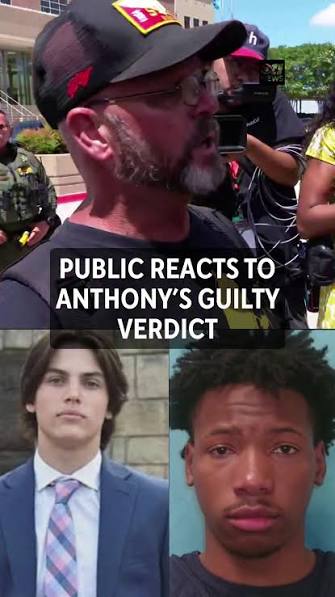
The verdict in the highly publicized Karmelo Anthony case continues to generate intense debate across social media, news outlets, and political circles. While many people have already formed strong opinions about the outcome, some legal experts argue that the public conversation surrounding the case is missing important legal context.
Following the conviction and sentencing of Karmelo Anthony, an attorney familiar with the broader legal issues surrounding the case pushed back against what they described as widespread misunderstandings about the verdict. The response comes as Americans remain deeply divided over whether justice was served, whether race played a role, and how self-defense laws should be interpreted.
The controversy has evolved far beyond the courtroom. What began as a tragic incident involving two teenagers has become a national conversation about criminal justice, race, self-defense, media narratives, and public perception.
Understanding the Karmelo Anthony Case
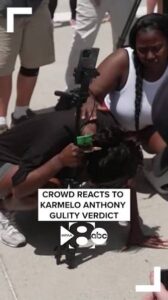
Karmelo Anthony was convicted in connection with the fatal stabbing of 17-year-old Austin Metcalf during a high school track meet in Frisco, Texas. The incident occurred after an argument reportedly escalated into a physical confrontation. Anthony maintained that he acted in self-defense, while prosecutors argued that the use of deadly force was unjustified under the circumstances.
After hearing testimony and reviewing evidence, the jury rejected the self-defense argument and found Anthony guilty. He was later sentenced to 35 years in prison. The verdict was reached after relatively brief jury deliberations, highlighting the jury’s confidence in the evidence presented during the trial.
The decision immediately sparked passionate reactions from supporters and critics alike.
Attorney Says Public Is Oversimplifying The Verdict
According to legal observers responding to the widespread debate, many online discussions have reduced a complex criminal case to simplistic talking points.
One attorney involved in analyzing public reactions argued that many people are viewing the verdict through political or emotional lenses rather than focusing on the legal standards that governed the trial.
The attorney emphasized that criminal trials are not popularity contests. Jurors are tasked with evaluating evidence, witness testimony, forensic findings, and applicable law—not social media opinions or public sentiment.
This argument has resonated with some legal experts who note that public commentary often overlooks key distinctions between what individuals believe happened and what prosecutors successfully proved in court.
Why The Self-Defense Debate Remains So Controversial
A major source of disagreement centers on Anthony’s claim of self-defense.
Supporters of Anthony have argued that the confrontation placed him in fear for his safety and that his actions should be viewed through that lens. Critics, however, point to evidence suggesting that the level of force used exceeded what was legally justified.
The jury ultimately sided with prosecutors, rejecting the self-defense argument after reviewing the facts presented during the trial.
Legal analysts note that self-defense claims are often misunderstood by the public. Simply feeling threatened does not automatically satisfy legal requirements. Courts generally examine factors such as:
The immediacy of the threat
Whether force was proportional
Whether deadly force was necessary
Available alternatives
Witness testimony
Physical evidence
These considerations can lead juries to conclusions that differ significantly from public opinion.
The Role Of Race In The National Conversation
Another major point of contention involves allegations that race influenced the trial and verdict.
Several public figures and political leaders questioned whether racial factors affected the outcome. Some critics highlighted concerns about jury composition and broader issues within the criminal justice system.
Others strongly disagreed, arguing that the verdict was based on evidence rather than race.
The debate intensified after comments from elected officials, activists, and celebrities who expressed concern about fairness in the proceedings. These reactions generated millions of online views and fueled heated discussions nationwide.
Attorneys responding to the controversy have stressed that disagreements about systemic issues should not automatically lead to assumptions about a specific jury’s motives.
Social Media’s Impact On Public Perception
One reason the case has attracted extraordinary attention is the role of social media.
Platforms such as X, Facebook, TikTok, YouTube, and Instagram allowed supporters and critics to share opinions instantly, often before reviewing court records or trial evidence.
Legal professionals have warned that viral narratives can sometimes distort public understanding.
In the Anthony case, competing interpretations emerged almost immediately:
Some viewed Anthony as acting in self-defense.
Others viewed the stabbing as unjustifiable.
Some focused primarily on race.
Others focused exclusively on legal evidence.
Political commentators often framed the case through ideological perspectives.
As a result, many Americans encountered radically different versions of the same case depending on where they received information.
Celebrity Reactions Add Fuel To The Debate
Several high-profile public figures weighed in following the verdict.
Among the most notable reactions came from entertainer Cardi B, who criticized the sentence and described the outcome as unjust. Her comments quickly attracted both support and backlash online.
Political leaders also entered the conversation, with some expressing concerns about jury selection and fairness. These statements further amplified national attention on the case.
Legal experts note that celebrity opinions can influence public discussion, but they do not alter court findings or appellate review standards.
Prosecutors Defend The Verdict
Following the trial, prosecutors publicly defended both the verdict and the integrity of the judicial process.
Officials emphasized that jurors carefully reviewed evidence before reaching their decision. They rejected suggestions that improper considerations influenced the outcome and maintained that the conviction reflected the facts presented in court.
According to prosecutors, the jury’s conclusion demonstrated confidence in the evidence supporting the murder charge.
This position remains central to arguments from those who believe the verdict should be respected regardless of broader political disagreements.
Appeals Process Already Underway
The legal battle is not over.
Anthony has filed an appeal challenging aspects of his conviction and sentence. His legal team argues that important issues deserve review by higher courts.
Appeals do not determine guilt or innocence from scratch. Instead, appellate courts examine whether legal errors occurred during the trial process.
Potential areas often reviewed in appeals include:
Jury instructions
Admission of evidence
Constitutional claims
Procedural issues
Jury selection concerns
Whether Anthony’s appeal succeeds remains uncertain, but the case is expected to continue attracting national attention.
Why Legal Experts Urge Caution
The attorney pushing back against public reactions argues that emotionally charged cases often create pressure to choose sides immediately.
However, legal experts generally encourage a more measured approach.
They emphasize several key principles:
Facts Matter
Courtroom decisions are based on evidence presented under legal standards rather than public opinion.
Appeals Are Part Of The Process
Filing an appeal does not automatically mean a verdict was wrong. Appeals are common in serious criminal cases.
Social Media Can Be Misleading
Viral posts often omit important context or focus on selective details.
Complex Cases Rarely Fit Simple Narratives
High-profile criminal trials frequently involve competing interpretations of events, evidence, and legal principles.
These reminders have become increasingly relevant as public debate continues.
What Happens Next?
The future of the case will likely depend on the appellate process.
Anthony’s legal team is expected to continue challenging the conviction, while prosecutors remain confident that the verdict will withstand review.
Meanwhile, public debate shows little sign of slowing down.
Questions surrounding self-defense laws, race, jury selection, media coverage, and criminal justice reform continue to dominate discussions across the country.
Regardless of where individuals stand on the verdict, the case has become a powerful example of how legal proceedings can evolve into broader cultural and political debates.
Conclusion
The Karmelo Anthony verdict remains one of the most discussed criminal justice stories in America. While public opinion remains sharply divided, attorneys and legal experts continue urging people to separate emotional reactions from legal analysis.
Supporters and critics may disagree about what the verdict means, but one point is increasingly clear: many legal professionals believe the public conversation often overlooks the complexities that jurors must consider when deciding a case.
As appeals move forward and new developments emerge, the debate surrounding the Karmelo Anthony verdict is likely to remain a major national story for months to come.
Frequently Asked Questions (FAQs)
Who is Karmelo Anthony?
Karmelo Anthony is a Texas teenager who was convicted in connection with the fatal stabbing of Austin Metcalf during a high school track meet.
What sentence did Karmelo Anthony receive?
Anthony was sentenced to 35 years in prison following his conviction.
Did Karmelo Anthony claim self-defense?
Yes. Anthony’s defense team argued that he acted in self-defense, but the jury ultimately rejected that claim.
Why is the verdict controversial?
The verdict has sparked debate over self-defense laws, race, jury selection, sentencing, and broader criminal justice issues.
Has Karmelo Anthony appealed the verdict?
Yes. Anthony has filed an appeal seeking review of his conviction and sentence.
Why are attorneys saying people are getting the verdict wrong?
Some legal experts argue that many public reactions focus on politics and emotion while overlooking the legal standards that guided the jury’s decision.
How useful was this post?
Click on a star to rate it!
Average rating 0 / 5. Vote count: 0
No votes so far! Be the first to rate this post.
About the Author

usa5911.com
Administrator
Hi, I’m Gurdeep Singh, a professional content writer from India with over 3 years of experience in the field. I specialize in covering U.S. politics, delivering timely and engaging content tailored specifically for an American audience. Along with my dedicated team, we track and report on all the latest political trends, news, and in-depth analysis shaping the United States today. Our goal is to provide clear, factual, and compelling content that keeps readers informed and engaged with the ever-changing political landscape.