VP JD Vance Briefing: Reframing Iran Conflict, Midterm Election Pressure
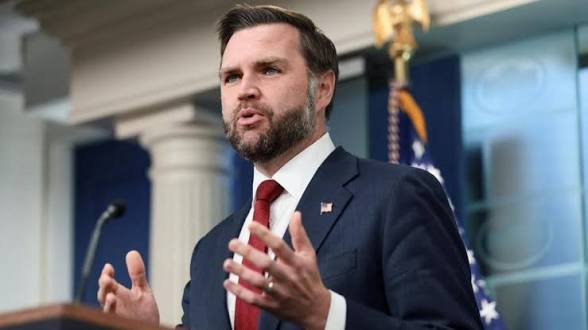
Vice President JD Vance’s Iran conflict briefing has put the Trump administration’s military strategy, diplomatic calculations and domestic political pressures under renewed scrutiny. Speaking at a White House briefing on September 3, Vance declined to describe the ongoing confrontation with Iran as a war and avoided promising that it would end before the November midterm elections. His remarks came as the administration continued to defend its actions while facing questions about the conflict’s duration and economic consequences.
The central message was that Washington wants to maintain pressure on Tehran without committing to a fixed timetable for the conflict. Vance said the administration’s approach would depend on Iran’s actions, particularly its attacks on commercial shipping. That framing shifts attention from the length of the confrontation to the conditions the White House says must be met before it can move toward a resolution.
For American voters, however, the distinction between a “war” and a conflict may matter less than its practical effects. Higher fuel prices, uncertainty over the next phase of military operations and concerns about a prolonged confrontation could all shape the political environment before November.
What JD Vance Said About the Iran Conflict
The briefing highlighted a difficult balance for the administration. Vance argued that the United States had a responsibility to respond to Iranian attacks on commercial vessels, while also saying he would not offer an artificial deadline for the confrontation. His comments suggested that Washington wants to preserve flexibility rather than announce a schedule that could be overtaken by events.
The vice president also rejected the idea that the conflict should automatically be described as a war. That language is politically significant because it allows the administration to emphasize limited objectives and the possibility of de-escalation, even as military action and regional tensions continue.
A conflict without a fixed end date
Vance’s refusal to predict when the fighting will end is one of the most important elements of the briefing. Asked whether the confrontation would be over before the midterm elections, he said he did not know. The answer left the administration without a public commitment to a November deadline.
That uncertainty matters because the White House had previously presented the military campaign as something that could be resolved within weeks. The longer the confrontation continues, the harder it becomes to separate foreign-policy decisions from questions about the administration’s political management of the crisis.
Reframing the Iran Conflict as Pressure, Not an Open-Ended War
The administration’s public messaging increasingly presents the confrontation as a pressure campaign designed to change Iran’s behavior. Vance has described a range of possible tools, including economic sanctions, military measures, diplomatic engagement and covert operations. The emphasis is on maintaining leverage while leaving the next step open.
This approach gives the White House several options. Economic pressure can target Iran’s ability to finance its activities, military pressure can respond to attacks, and diplomacy can remain available if conditions change. But the combination also creates uncertainty because it does not clearly establish which action would bring the confrontation to an end.
Why the wording matters
Calling the confrontation a “war” or a “conflict” is not merely a question of vocabulary. It affects how the public understands the administration’s objectives, the scale of the military commitment and the possibility of a negotiated settlement. Vance’s language appears intended to emphasize that the United States is pursuing specific goals rather than announcing an unlimited military campaign.
At the same time, the administration’s own actions continue to shape perceptions. Recent U.S. strikes and the wider confrontation around the Strait of Hormuz have made it difficult to treat the crisis as purely economic or diplomatic. The result is a message that combines restraint in language with continued pressure in practice.
Strait of Hormuz and the Economic Pressure Point
The Strait of Hormuz is central to the administration’s explanation of the conflict. Vance said U.S. action was linked to Iran’s attacks on commercial shipping, making maritime security a key justification for the campaign. The issue is especially important because disruptions in the strait can affect global energy markets.
The economic consequences are already part of the political discussion. Recent reporting has linked the confrontation to higher fuel prices, while analysts have warned that continued disruption could create further pressure on consumers and the broader economy.
Why fuel prices matter politically
For many American voters, the most immediate connection between foreign policy and daily life is the price of gasoline. A military confrontation that raises energy costs can quickly become a domestic political issue, especially when inflation and household expenses are already important concerns.
The administration therefore faces a difficult communications challenge. It must explain why military pressure is necessary while also addressing the economic consequences that may make the policy less popular. Vance’s briefing attempted to keep the focus on Iran’s actions, but the political debate is likely to remain tied to the cost of the conflict.
Midterm Election Pressure on Trump and Vance
The November 2026 midterm elections add another layer to the administration’s calculations. Republicans are trying to retain their narrow majorities in Congress, and the Iran conflict has become part of the political environment surrounding that effort.
Vance’s briefing did not announce a new election strategy, but it showed why the administration is under pressure to explain the conflict clearly. The White House must defend its policy while avoiding promises that could become difficult to keep if the confrontation continues.
Foreign policy and domestic politics
The midterms will not be decided by foreign policy alone. Economic conditions, employment, inflation and other domestic issues will also influence voters. However, the Iran conflict can affect those issues through energy prices and broader uncertainty.
That creates a political dilemma for the administration. A tougher response may appeal to voters who want a strong security policy, while a prolonged confrontation could increase concern about costs and military involvement. The balance between those pressures will be important as the election approaches.
What the Briefing Means for U.S. Strategy
The briefing suggests that the administration is keeping multiple options available. Vance’s comments indicate that Washington is not limiting itself to one tool, but is considering economic, diplomatic and military measures depending on how the situation develops.
That flexibility can be useful in a rapidly changing crisis. It allows the administration to respond to new developments without publicly committing to a single course of action. However, it also makes the policy harder for the public to evaluate because the objectives and end conditions may appear less clear.
The role of diplomacy
Diplomacy remains part of the wider discussion, but the administration has not presented a clear timeline for negotiations. Vance said the United States would not hold talks while Iran continued attacking commercial shipping, linking diplomatic engagement to a change in Iranian behavior.
This position reflects the administration’s broader effort to use pressure to improve its negotiating position. Yet the longer the confrontation continues, the more difficult it may become to create the conditions for a stable agreement.
Why the Briefing Matters Beyond Washington
The Iran conflict has consequences beyond U.S. domestic politics. The Strait of Hormuz is a major energy route, and renewed tensions can affect shipping, oil prices and regional security. Countries in the Gulf are also dealing with the risks created by the confrontation.
For international observers, Vance’s remarks show that the administration is trying to manage both the strategic and political dimensions of the crisis. The United States wants to maintain pressure on Iran while limiting the possibility of a wider escalation and addressing concerns about economic disruption.
The briefing also demonstrates how difficult it is to communicate about a conflict that has no clear end date. By avoiding a deadline, Vance preserved flexibility. But that same uncertainty may continue to fuel questions about the administration’s long-term objectives.
What to Watch Next
Several developments will be important in the coming weeks:
Further military action: Any new strikes or attacks could change the administration’s public messaging and the wider political debate.
Financial Times+1Shipping and energy markets: Continued disruption in the Strait of Hormuz could increase economic pressure and affect consumer confidence.
The Indian Express+1Diplomatic movement: A change in Iran’s actions could create an opening for talks, while continued attacks would make negotiations more difficult.
Reuters+1Republican campaign messaging: The party will need to explain the conflict’s costs and objectives as the midterm elections approach.
Conclusion
The latest JD Vance Iran conflict briefing shows an administration trying to maintain pressure on Tehran while avoiding a fixed timeline for the confrontation. By rejecting the word “war,” Vance emphasized a more limited framing of the conflict, but the continuing military and economic consequences make that message difficult to separate from the realities of the crisis.
The November midterm elections add urgency to the debate. Higher fuel prices, uncertainty over military operations and questions about the administration’s strategy could all influence how voters assess the Trump administration. For now, Vance’s message is clear: Washington intends to keep its options open, but the conflict’s political and economic costs remain unresolved.
FAQs
1. What did JD Vance say about the Iran conflict?
JD Vance said he would not describe the confrontation as a war and declined to predict whether it would end before the November 2026 midterm elections. He emphasized that the administration’s approach would depend on Iran’s actions.
2. Why is the Strait of Hormuz important?
The Strait of Hormuz is a major energy shipping route. Disruptions there can affect global oil markets and contribute to higher fuel prices.
3. How could the Iran conflict affect the midterm elections?
The conflict could influence voters through fuel prices, inflation concerns and debates over U.S. military involvement. Its political impact will depend on how the situation develops.
4. Has Vance promised that the conflict will end before the midterms?
No. Vance declined to provide a timeline and said he did not want to make an artificial promise about when the confrontation would end.
5. What tools is the Trump administration considering?
The administration has discussed economic sanctions, military measures, diplomacy and covert operations as possible tools for dealing with Iran.
6. Why does Vance avoid calling it a war?
His language emphasizes the administration’s view that the confrontation is a targeted pressure campaign rather than an open-ended war. However, the distinction remains politically contested because military action and regional tensions continue.
7. What should readers watch next?
Key developments include further military action, shipping disruptions, energy prices and any diplomatic movement between Washington and Tehran.
8. Is this article based on a current briefing?
Yes. It is based on reporting about Vance’s September 3, 2026 White House briefing and the surrounding Iran conflict developments. The situation remains fluid, so later events may change the analysis.
How useful was this post?
Click on a star to rate it!
Average rating 0 / 5. Vote count: 0
No votes so far! Be the first to rate this post.
About the Author

usa5911.com
Administrator
Hi, I’m Gurdeep Singh, a professional content writer from India with over 3 years of experience in the field. I specialize in covering U.S. politics, delivering timely and engaging content tailored specifically for an American audience. Along with my dedicated team, we track and report on all the latest political trends, news, and in-depth analysis shaping the United States today. Our goal is to provide clear, factual, and compelling content that keeps readers informed and engaged with the ever-changing political landscape.