Geopolitics Update: The Ship Has Sailed on the MoU, Expert Says, Failed Negotiations
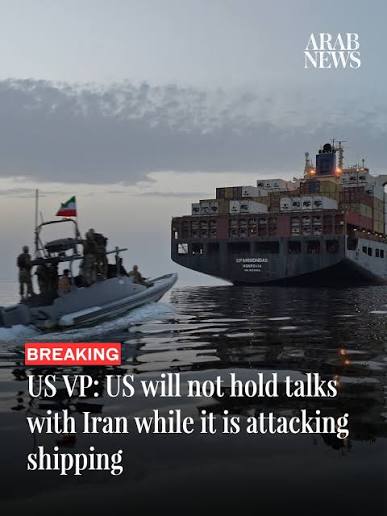
The phrase “the ship has sailed” captures the growing frustration surrounding the Iran-US MoU and the failure to revive negotiations. According to a report published on September 4, 2026, the United States is no longer prepared to return to the short-lived memorandum of understanding that had been intended to reopen the Strait of Hormuz and create a path toward broader talks.
The diplomatic dispute is no longer limited to whether shipping can resume. It now involves Iran’s nuclear programme, sanctions relief, control of the strategic waterway and the future of regional security. As both sides maintain pressure, the possibility of a negotiated settlement appears increasingly difficult.
The central question is whether the failed MoU can be replaced by a new agreement or whether the collapse of trust will lead to further escalation. The latest report suggests that the diplomatic window is narrowing, even though back-channel contacts remain open.
What Happened to the Iran-US MoU?

The memorandum was reportedly designed as a temporary arrangement. Its purpose was to extend an April ceasefire, gradually reopen the Strait of Hormuz and allow negotiations on a final settlement to begin.
However, the arrangement did not survive. The report says the Trump administration has rejected a return to the June MoU and is instead seeking a broader agreement that would cover both the strait and Iran’s nuclear programme.
This shift is significant because the earlier arrangement focused on an immediate crisis: restoring shipping access and reducing military tensions. The proposed replacement would address a much larger set of disputes.
For Tehran, the difference is crucial. Iran has reportedly continued to demand sanctions relief, access to frozen assets and an end to the US blockade before reopening the waterway. Washington, meanwhile, wants the strait fully open and is seeking additional commitments on the nuclear issue.
The result is a diplomatic deadlock in which each side appears to believe that the other must make the first major concession.
Why the Strait of Hormuz Matters
The Strait of Hormuz is one of the world’s most important energy chokepoints. Before the conflict described in the report, approximately one-fifth of global oil and gas exports passed through the waterway.
That makes the strait more than a regional shipping route. It is a major factor in global energy security, international trade and the economic calculations of governments.
Any prolonged disruption can create pressure on fuel markets, shipping companies and consumers. The report says oil prices have remained elevated, while US diesel prices have also risen during the crisis.
The strategic importance of the strait explains why the United States is focused on maintaining shipping access and why Iran views control over the waterway as a major source of leverage.
In geopolitical terms, the dispute is therefore about both security and bargaining power. The side that controls the conditions for reopening the strait can influence the wider negotiations.
Why the Negotiations Failed
The failure of the Iran-US MoU appears to reflect several overlapping problems.
1. The two sides want different outcomes
The United States reportedly wants a comprehensive agreement covering the Strait of Hormuz and Iran’s nuclear programme. Iran, by contrast, has focused on ending the blockade and securing economic relief.
These priorities are not necessarily incompatible, but they create different negotiating timelines. Washington is seeking a larger settlement, while Tehran wants immediate changes to the conditions surrounding the strait.
2. Trust has deteriorated
The report describes a deepening lack of trust between the two governments. Each side appears concerned that concessions could weaken its position without guaranteeing a meaningful return.
This makes even temporary agreements difficult to sustain. A MoU may create a framework for negotiations, but it cannot resolve every underlying dispute if the parties do not trust one another.
3. The negotiating positions have hardened
According to the report, the United States has shifted its demands, while Iran has also adjusted its position during talks involving Oman.
The report characterizes this as a situation in which mediators believed progress was being made, only for the conditions to become more difficult. Such changes can undermine confidence in diplomacy and make compromise politically harder.
4. Military pressure is replacing diplomatic momentum
The report says the latest escalation followed US strikes on Iranian rocket launchers on Larak Island, which Washington accused of being prepared to deploy sea mines in the strait. Iran then retaliated with attacks on bases hosting US forces in the region.
These developments have made negotiations more difficult because military action can create new demands for accountability, security guarantees and retaliation.
The Role of Oman and Back-Channel Diplomacy
Although formal talks between the United States and Iran have reportedly stopped, the diplomatic process has not completely disappeared.
Oman has remained involved in efforts to establish a temporary arrangement for shipping through the Strait of Hormuz. The report says mediators hoped such an arrangement could create a path back to the June MoU.
This is important because diplomacy often continues through indirect channels even when public negotiations fail. Back-channel discussions can help governments explore possible compromises without immediately committing to them publicly.
However, mediation has limits. Oman can help communicate proposals, but it cannot force either side to accept them.
The current challenge is to find a temporary arrangement that addresses shipping access while also satisfying the broader security and economic concerns of both governments.
Why the US Is Seeking a Broader Agreement
The Trump administration’s reported decision to reject the earlier MoU reflects a broader negotiating strategy.
Rather than returning to a limited arrangement, Washington is seeking a deal that includes Iran’s nuclear programme. This approach could potentially address several major disputes at once.
However, it also makes the negotiations more complex.
A temporary shipping agreement may be easier to negotiate than a comprehensive nuclear settlement. The nuclear issue involves security concerns, sanctions, verification and long-term commitments.
By linking the two issues, the United States may be seeking greater leverage. But the report also suggests that this approach has reduced the chances of a quick diplomatic breakthrough.
The central tension is clear: Washington wants a bigger deal, while Tehran wants immediate relief from pressure.
Iran’s Economic Pressure and Strategic Leverage
The report describes growing economic pressure inside Iran, including fuel shortages, rising food prices and inflation.
These conditions could increase the urgency of negotiations. Yet economic hardship does not automatically lead to political concessions.
Iran has reportedly continued to resist giving up control over the Strait of Hormuz without receiving significant benefits in return. The waterway remains one of Tehran’s most important sources of leverage.
This creates a difficult calculation for both sides. The United States may believe that sanctions and a blockade can force concessions. Iran may believe that maintaining pressure on shipping can strengthen its bargaining position.
The result is a contest in which economic pressure and strategic control are closely connected.
What the Failed MoU Means for Regional Security
The collapse of the MoU has implications beyond Iran and the United States.
The Strait of Hormuz is connected to the energy security of Gulf countries and major importing economies. Any prolonged uncertainty can affect shipping decisions, insurance costs and regional stability.
The report says Iran has warned that if its exports are blocked, other Gulf producers may also face difficulties exporting oil.
Such threats increase the risk that a dispute between two countries could affect the wider region. The more the conflict expands, the harder it becomes to separate military operations from diplomatic negotiations.
Regional governments therefore have an interest in reducing tensions, even if they do not agree on the underlying political issues.
Is the Iran-US MoU Completely Dead?
The phrase “the ship has sailed” suggests that the earlier MoU may no longer be a realistic option. However, that does not necessarily mean diplomacy is permanently finished.
A failed agreement can sometimes be replaced by a new arrangement. The report indicates that mediators are still working on a framework for future negotiations.
The important distinction is between reviving the same MoU and creating a new agreement.
The first would require both sides to return to an earlier set of commitments. The second would involve negotiating new terms that reflect the changed military and political circumstances.
At present, the report suggests that the United States prefers the second option. Iran, meanwhile, has reportedly continued to call for a return to the June arrangement.
This difference remains one of the biggest obstacles to progress.
What Could Happen Next?
Several outcomes remain possible.
A new temporary agreement
The most immediate possibility is a limited arrangement focused on shipping access. Such a deal could reduce tensions and create space for wider negotiations.
Continued military escalation
If neither side changes its position, further attacks could make diplomacy even more difficult. Military pressure may also create new demands that complicate any future settlement.
A broader nuclear and shipping agreement
A comprehensive deal could address the main disputes together. However, the report suggests that the chances of such an agreement are currently limited.
A prolonged stalemate
The most likely short-term risk is that neither side is willing to compromise enough to restart negotiations. This would leave the region facing continued uncertainty.
Why the MoU Failure Matters for Global Politics
The Iran-US MoU dispute illustrates a broader feature of modern geopolitics: temporary agreements are often easier to reach than permanent settlements.
A memorandum can create a pause in hostilities, but it does not necessarily resolve the underlying causes of conflict. If the parties do not agree on what comes next, the temporary arrangement may collapse.
The current crisis also shows how economic and military tools can become intertwined. Sanctions, blockades, shipping access and nuclear negotiations are all part of the same strategic contest.
For international diplomacy, the lesson is that a ceasefire or MoU is only the beginning of a longer process. Without trust, clear commitments and a realistic path toward implementation, even a promising agreement can fail.
Conclusion
The Iran-US MoU has become a symbol of the difficulty of diplomacy in a high-stakes geopolitical crisis. The latest report suggests that the United States is no longer seeking to revive the earlier arrangement and instead wants a broader agreement covering the Strait of Hormuz and Iran’s nuclear programme.
Iran, meanwhile, continues to demand economic relief and changes to the conditions surrounding the strait.
The result is a widening gap between the two sides. Although back-channel diplomacy remains possible, the collapse of the MoU has made a quick return to negotiations more difficult.
The phrase “the ship has sailed” may capture the current diplomatic mood, but it does not necessarily mean that every future agreement is impossible. The real question is whether both sides can find a new framework that reduces military pressure and creates enough trust for negotiations to resume.
Until then, the failed MoU remains a major warning about the limits of diplomacy when strategic interests, economic pressure and military confrontation collide.
FAQs
What is the Iran-US MoU?
The Iran-US MoU was a reported temporary arrangement intended to reopen the Strait of Hormuz and create a pathway toward broader negotiations.
Why did the Iran-US MoU fail?
The report attributes the failure to disagreements over shipping access, sanctions relief, Iran’s nuclear programme and the broader negotiating conditions.
What does “the ship has sailed” mean in this context?
It means that the earlier MoU may no longer be considered a realistic option, although a new agreement could still be possible.
Why is the Strait of Hormuz important?
The strait is a major global energy chokepoint. Disruptions can affect oil and gas exports, shipping and international markets.
Is the United States still negotiating with Iran?
According to the report, formal talks have stopped, but mediators are continuing back-channel efforts to create a framework for future negotiations.
What does Iran want from negotiations?
The report says Iran wants the blockade lifted, sanctions relief and access to some frozen assets before reopening the strait.
What does the United States want?
The report says Washington is seeking a broader agreement covering the Strait of Hormuz and Iran’s nuclear programme.
Could the MoU be revived?
The earlier arrangement may be difficult to restore, but a new temporary or comprehensive agreement could still emerge if both sides compromise.
How could the failed negotiations affect oil prices?
A prolonged disruption in the Strait of Hormuz could increase uncertainty in global energy markets and put pressure on oil and fuel prices.
What is the main geopolitical lesson?
The failure of the MoU shows that temporary agreements require trust, clear commitments and a realistic path toward a lasting settlement.
How useful was this post?
Click on a star to rate it!
Average rating 0 / 5. Vote count: 0
No votes so far! Be the first to rate this post.
About the Author

usa5911.com
Administrator
Hi, I’m Gurdeep Singh, a professional content writer from India with over 3 years of experience in the field. I specialize in covering U.S. politics, delivering timely and engaging content tailored specifically for an American audience. Along with my dedicated team, we track and report on all the latest political trends, news, and in-depth analysis shaping the United States today. Our goal is to provide clear, factual, and compelling content that keeps readers informed and engaged with the ever-changing political landscape.