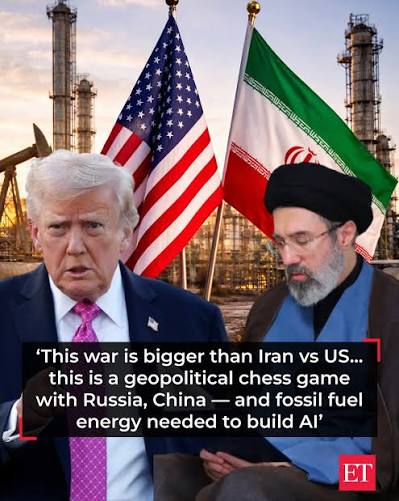
Middle East Alert: Israel Told To Prepare Independent Military Operation Against Iran
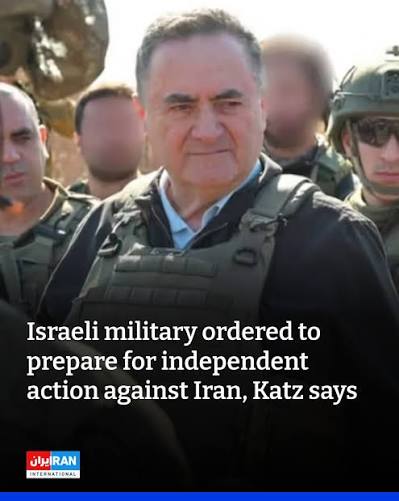
Escalating tensions in the Middle East have once again captured global attention after Israeli Defense Minister Israel Katz announced that the Israel Defense Forces (IDF) have been instructed to prepare for an independent military operation against Iran if necessary. The development comes amid growing concerns over Iran’s missile capabilities, nuclear ambitions, and ongoing regional instability.
The announcement signals that Israel is prepared to act without relying on international military support should it determine that Iranian actions pose an immediate threat to Israeli security. While diplomatic efforts continue across the region, military planners are simultaneously preparing for multiple scenarios that could significantly impact the Middle East.
Israel Orders Military Preparations
Defense Minister Israel Katz stated that Israel’s military has been instructed to develop operational plans allowing the country to strike Iranian targets independently if Iran launches attacks against Israel or significantly advances activities considered threatening to Israeli national security.
According to reports, Israeli officials believe maintaining operational independence is essential, regardless of ongoing diplomatic negotiations between other countries and Tehran.
Military planning reportedly includes:
- Preparing precision strike options.
- Strengthening air defense systems.
- Enhancing intelligence gathering.
- Coordinating rapid-response capabilities.
- Reviewing contingency plans for regional escalation.
These preparations do not necessarily indicate that military action is imminent but demonstrate Israel’s readiness should circumstances deteriorate.
Why Israel Is Concerned About Iran
Israel has long identified Iran as one of its primary national security challenges.
Israeli leaders frequently cite several concerns:
- Iran’s nuclear program.
- Development of long-range ballistic missiles.
- Support for regional armed groups.
- Expansion of Iranian influence across the Middle East.
Successive Israeli governments have argued that preventing Iran from obtaining nuclear weapons remains a strategic priority.
Iran, meanwhile, insists its nuclear activities are peaceful and intended for civilian energy production.
This disagreement continues to shape regional security policies and international diplomacy.
Independent Military Action Explained
An independent military operation means Israel would conduct military strikes without direct participation from allied nations.
Such operations would require:
- Independent intelligence collection.
- Israeli Air Force operational planning.
- Domestic logistical support.
- National political authorization.
Israel has previously demonstrated the capability to conduct long-range precision operations when national security concerns arise.
Military analysts note that maintaining independent capabilities allows Israel greater flexibility during rapidly evolving security situations.
Regional Security Environment
The announcement comes amid heightened instability across the Middle East.
Several ongoing issues continue influencing security calculations:
- Proxy conflicts involving Iran-backed groups.
- Maritime security concerns.
- Missile and drone threats.
- Border tensions.
- Diplomatic negotiations involving multiple international actors.
The region has experienced repeated cycles of military escalation followed by diplomatic efforts aimed at reducing tensions.
Officials remain cautious about actions that could trigger broader regional conflict.
Iran’s Position
Iran has consistently rejected accusations that it seeks nuclear weapons.
Iranian officials argue that:
- Their nuclear activities comply with peaceful objectives.
- National defense programs are legitimate.
- Regional security concerns should be addressed through diplomacy.
However, disagreements over uranium enrichment and missile development continue to create friction with Israel and several Western governments.
These disputes remain central to international negotiations.
Military Readiness Versus Immediate Conflict
Military experts caution that preparation does not automatically indicate an imminent attack.
Defense organizations routinely prepare contingency plans for various scenarios.
Such planning helps governments respond quickly if threats emerge.
Israel’s latest directive should therefore be viewed primarily as an effort to maintain operational readiness rather than confirmation of immediate military action.
Diplomatic Efforts Continue
Despite military preparations, diplomatic channels remain active.
Several governments continue encouraging dialogue aimed at preventing wider conflict.
International priorities include:
- Preventing military escalation.
- Protecting civilian populations.
- Maintaining regional stability.
- Supporting nuclear negotiations.
- Preventing disruptions to global energy markets.
Diplomatic engagement remains an important component of efforts to reduce tensions.
Possible Regional Consequences
If military confrontation were to occur, experts suggest several possible consequences:
Increased Regional Instability
Military exchanges could spread beyond Israel and Iran, affecting neighboring countries.
Economic Impact
Energy markets often react sharply to Middle East security developments due to the region’s importance in global oil production.
International Diplomatic Pressure
Major powers would likely intensify diplomatic efforts to contain escalation.
Humanitarian Concerns
Any significant military conflict carries risks for civilian populations across affected areas.
Global Reactions
Governments worldwide continue monitoring developments closely.
Many international leaders have reiterated calls for:
- Restraint.
- Dialogue.
- Peaceful dispute resolution.
- Respect for international law.
The international community generally seeks to avoid another large-scale regional conflict given its potential global consequences.
Israel’s Strategic Calculations
Israeli defense officials argue that maintaining military preparedness serves several strategic objectives.
These include:
- Deterrence.
- Rapid response capability.
- Operational flexibility.
- National defense readiness.
Military preparedness also signals to adversaries that Israel intends to respond decisively to perceived threats.
The Role of Intelligence
Modern military planning depends heavily on intelligence gathering.
Israeli intelligence agencies continue monitoring:
- Missile developments.
- Nuclear facilities.
- Military deployments.
- Regional proxy activities.
Accurate intelligence is considered essential before any operational decisions are made.
Air Defense Preparations
Israel continues investing heavily in layered air defense systems.
These systems help protect against:
- Ballistic missiles.
- Cruise missiles.
- Armed drones.
- Rocket attacks.
Maintaining defensive capabilities remains a major priority amid ongoing regional uncertainty.
Impact on International Relations
The latest announcement may influence diplomatic discussions involving:
- Nuclear negotiations.
- Regional security frameworks.
- Defense cooperation.
- International sanctions.
Foreign governments will likely continue balancing support for regional allies with efforts to prevent broader conflict.
What Happens Next?
Several scenarios remain possible:
- Continued diplomatic engagement.
- Increased military deterrence.
- Limited security incidents.
- Renewed negotiations.
- Further regional tensions.
At present, no official timeline for military action has been announced.
Israeli officials emphasize readiness rather than immediate execution of military operations.
Conclusion
Israel’s decision to instruct its military to prepare for an independent operation against Iran highlights the continuing volatility of Middle East security. While defense planning is a routine aspect of national security policy, the announcement reflects ongoing concerns surrounding Iran’s military capabilities and broader regional dynamics.
Whether diplomacy succeeds in easing tensions or military preparedness becomes necessary will depend on developments in the coming weeks. For now, governments across the world remain focused on preventing further escalation while maintaining regional stability.
Frequently Asked Questions (FAQs)
Why is Israel preparing for an independent military operation against Iran?
Israel says it wants to maintain the ability to respond independently if it believes Iran poses an immediate security threat.
Has Israel announced an attack?
No. Israeli officials have announced military preparations but have not confirmed any immediate operation.
What are Israel’s main concerns about Iran?
Israel cites Iran’s nuclear program, missile development, and regional military influence as major security concerns.
How has Iran responded?
Iran maintains that its nuclear program is peaceful and rejects accusations that it seeks nuclear weapons.
Could this affect global markets?
Yes. Any significant escalation in the Middle East could impact oil prices, shipping routes, and broader global financial markets.
How useful was this post?
Click on a star to rate it!
Average rating 0 / 5. Vote count: 0
No votes so far! Be the first to rate this post.
About the Author

usa5911.com
Administrator
Hi, I’m Gurdeep Singh, a professional content writer from India with over 3 years of experience in the field. I specialize in covering U.S. politics, delivering timely and engaging content tailored specifically for an American audience. Along with my dedicated team, we track and report on all the latest political trends, news, and in-depth analysis shaping the United States today. Our goal is to provide clear, factual, and compelling content that keeps readers informed and engaged with the ever-changing political landscape.