Geopolitical volatility across the Middle East has reached a critical inflection point. Following months of intense naval operations and maritime choke-point standoffs, a significant expansion of regional containment strategies has taken shape.U.S. Central Command (CENTCOM) has launched Task Force Iron Gate, an aggressive military framework designed to impose a comprehensive land and northern maritime blockade on Iran.
The activation of Task Force Iron Gate coincides with fresh waves of localized explosions reported across key logistics corridors inside Iran. While Washington maintains its primary focus on interdicting illicit trade and weapons transshipments, the dual impact of targeted physical disruptions and sweeping border encirclement marks a fundamental shift from maritime containment to a 360-degree economic and tactical chokehold.
+-----------------------------------------------------------------------------------------+
|                          TASK FORCE IRON GATE OPERATIONAL MATRIX                        |
+-----------------------------------+-----------------------------------------------------+
| DOMAIN / TARGET ZONE              | OPERATIONAL STRATEGY & OBJECTIVES                   |
+-----------------------------------+-----------------------------------------------------+
| Southern Maritime Blockade        | Enforcement across the Strait of Hormuz & Gulf      |
| Eastern & Western Overland Hubs   | Border monitoring targeting illicit weapons trade   |
| Caspian Sea Shipping Corridors    | Maritime tracking of dual-use cargo & fuel transfers|
| Strategic Infrastructure Points   | High-readiness posture against 38 key transit bridges|
+-----------------------------------+-----------------------------------------------------+
1. Task Force Iron Gate: Expanding Beyond the High Seas
For months, global energy markets and international defense analysts watched the naval standoff unfold in the Gulf of Oman and the Strait of Hormuz. However, the U.S. strategy has evolved beyond maritime interdiction alone. Recognizing that critical dual-use equipment, weapons components, and economic supply lines continue to move via overland neighbors and northern sea corridors, the U.S. military launched Task Force Iron Gate to seal those remaining gaps.
“Task Force Iron Gate is in full force and effect… Coupled with history’s greatest Naval Blockade, very little gets into, or out of, Iran!”
— Official Administration Statement
By targeting Iran’s overland transit points and Caspian Sea supply routes, Task Force Iron Gate establishes a secondary perimeter. The goal is simple: starve Iran’s defense-industrial base of dual-use hardware, military technology imports, and unregulated revenue streams.
Core Pillars of the Iron Gate Initiative
Caspian Sea Surveillance: Deploying advanced intelligence, surveillance, and reconnaissance (ISR) platforms to monitor northern maritime shipments.
Overland Border Tracking: Working alongside interagency networks to monitor land-based transport trucks carrying high-value military assets.
Financial & Supply Chain Interdiction: Disrupting shadow networks and illicit trade networks feeding Iranian defense manufacturing.
Tactical Choke-Point Deterrence: Explicit warnings outlining the potential targeting of key transit infrastructure if supply lines remain active.
2. Explosions Rock Strategic Infrastructure
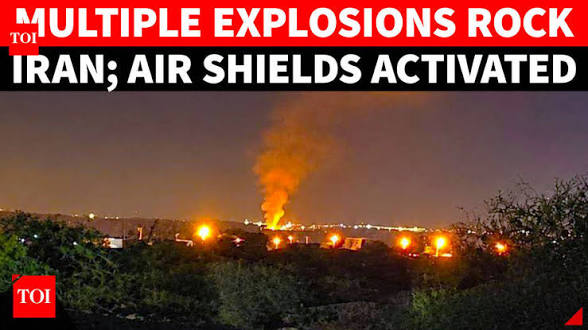
As the announcement of Task Force Iron Gate resonated globally, multiple reports emerged detailing sudden explosions near key transportation hubs, weapons depots, and border staging grounds.
                +------------------------------------+
                |   MULTI-DOMAIN CONTAINMENT MODEL   |
                +------------------------------------+
                                  |
         +------------------------+------------------------+
         |                                                 |
         v                                                 v
+---------------------------------+               +---------------------------------+
|     NAVAL BLOCKADE (SOUTH)      |               |  TASK FORCE IRON GATE (NORTH)   |
| Interdiction in Gulf of Oman    |               | Monitoring Caspian Sea routes   |
| Strait of Hormuz naval patrols  |               | Overland border tracking        |
+---------------------------------+               +---------------------------------+
         |                                                 |
         +------------------------+------------------------+
                                  |
                                  v
                +------------------------------------+
                |  TARGETED TACTICAL DISRUPTIONS     |
                | Explosions at strategic transit sites|
                +------------------------------------+
Kinetic Signals vs. Rhetorical Posturing
While official military channels often characterize these kinetic disruptions as targeted actions against hostile supply logistics, Tehran has frequently downplayed the origin of localized blasts.
The Islamic Revolutionary Guard Corps (IRGC) publicly dismissed the land blockade strategy as “merely wordplay,” asserting that Iran’s domestic infrastructure and regional trade partnerships can absorb economic and military pressures.Nevertheless, the coincidence of physical blasts alongside newly instituted border operations indicates a synchronized effort to destabilize logistics networks from within.
3. The 38-Bridge Warning: Escalation Economics
A core element of the current strategy involves structural leverage. Administration officials confirmed that Washington has mapped dozens of critical Iranian transit bridges. These locations represent choke points for domestic logistics,missile transport, and economic distribution.
Strategic Implications of Infrastructure Targeting
Logistical Fragmentation: Severing key arterial bridges would force Iranian transport networks onto predictable,secondary roads that are easier to monitor.
Economic Pressure: Disrupting internal transport compounds the effects of existing naval blockades, putting additional strain on commercial distribution.
Escalation Management: Holding strategic infrastructure at risk serves as a visible deterrent while diplomatic avenues are evaluated.
4. Regional Reactions and Market Shockwaves
The dual pressure of land interdictions and kinetic explosions has triggered rapid adjustments across international shipping, energy markets, and regional diplomacy.
+---------------------+-------------------------------------------------------------------+
| REGIONAL SECTOR     | IMMEDIATE IMPACT & STRATEGIC ALIGNMENT                            |
+---------------------+-------------------------------------------------------------------+
| Energy Markets      | Crude futures spike amid concerns over Caspian & Gulf supply lines|
| Commercial Logistics| Transport rates increase due to border inspection delays         |
| Regional Neighbors  | Border security presence heightened in surrounding nations        |
| Maritime Transit    | Cargo ships alter routing in response to interdiction warnings    |
+---------------------+-------------------------------------------------------------------+
Caspian and Central Asian Trade Routes
Countries bordering the Caspian Sea and Central Asian trade corridors find themselves navigating heightened security protocols. As Task Force Iron Gate expands ISR coverage into northern zones, commercial operations across international borders face stricter compliance checks and security delays.
Global Energy Implications
Oil and gas traders continue to price in risk premiums. While a maritime blockade directly affects tanker traffic through the Gulf, a land-based blockade threatening secondary export routes limits alternative supply channels.
5. What Lies Ahead: Diplomacy or Total Containment?
The introduction of Task Force Iron Gate creates a decisive fork in the road for regional stability.
Scenario A: Negotiated Compromise. Heightened economic and supply-chain pressures push all parties toward verified non-proliferation agreements and normalized maritime access.
Scenario B: Prolonged Multi-Domain Friction. Continued skirmishes, border interdictions, and localized explosions turn the current blockade into a long-term siege of critical supply chains.
As military assets remain deployed across multiple domains, the efficiency of Task Force Iron Gate will determine whether this multi-sided posture forces a diplomatic resolution or signals a wider structural conflict.
Frequently Asked Questions (FAQs)
What is Task Force Iron Gate?
Task Force Iron Gate is a military initiative established by U.S. Central Command (CENTCOM) to track, intercept, and disrupt Iran’s overland and Caspian Sea supply routes, expanding pressure beyond traditional maritime blockades.
Why did explosions rock Iranian targets?
Recent explosions coincided with targeted interdiction efforts aimed at disrupting military logistics, weapons manufacturing components, and transport infrastructure linked to regional arms distribution.
How does a land blockade differ from a naval blockade?
While a naval blockade restricts maritime shipping through ports and oceanic straits, a land blockade targets ground transport routes, border crossings, and inland logistics hubs to prevent alternative trade movement.
What is the IRGC’s stance on Task Force Iron Gate?
The IRGC has publicly dismissed Task Force Iron Gate as “wordplay,” arguing that Iran has prepared for economic pressures and maintains strong trade relationships with regional neighbors.
About the Author