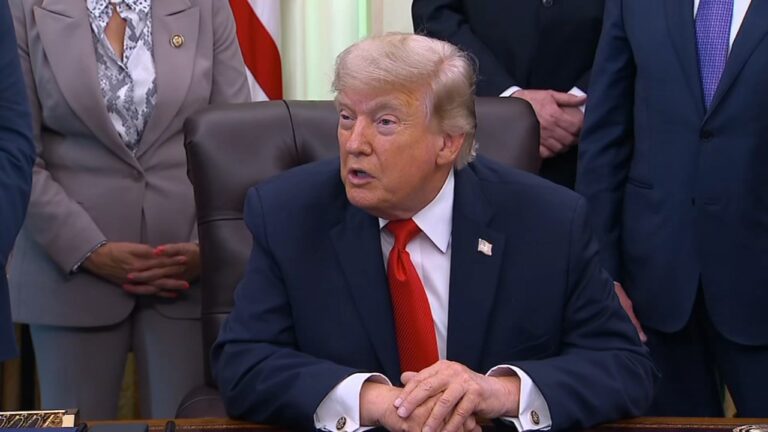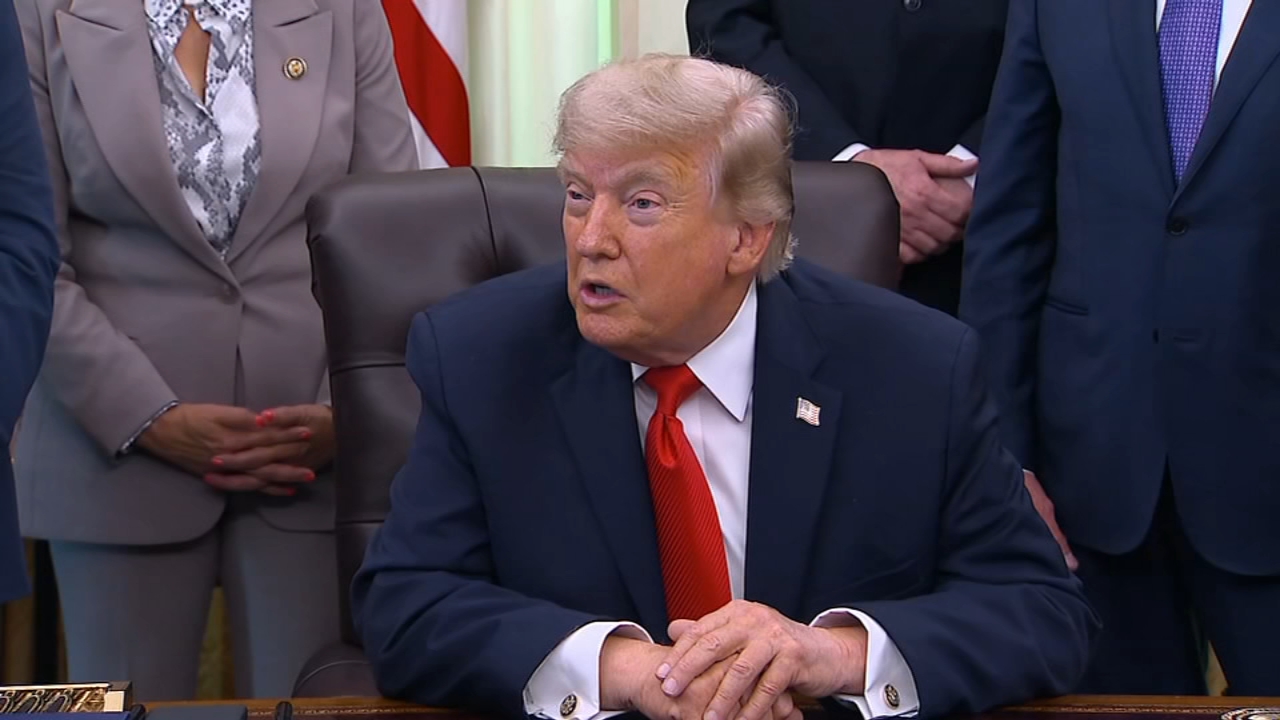
In a major development echoing across global markets and international diplomatic circles, U.S. President Donald Trump has signaled that renewed military strikes against Iran are “highly unlikely”—provided ongoing negotiations produce a comprehensive agreement and restore stability to critical Persian Gulf shipping routes.
Speaking during a high-stakes series of diplomatic engagements, President Trump emphasized that while American military assets remain in a state of high readiness across the Middle East, the primary objective remains reaching a enforceable diplomatic resolution.
The President’s remarks mark a notable shift in tone following weeks of escalating rhetoric, naval disruptions near the Strait of Hormuz, and intense regional mediation led by Qatar and regional partners.
+-----------------------------------------------------------------------------------------+
|                               U.S.-IRAN DIPLOMATIC MATRIX                               |
+-----------------------------------+-----------------------------------------------------+
| DIPLOMATIC CONDITION              | U.S. STAND / RESPONSE                               |
+-----------------------------------+-----------------------------------------------------+
| Comprehensive Nuclear Pact        | De-escalation; renewed military action "unlikely"   |
| Unrestricted Strait of Hormuz     | Essential precondition for economic sanctions easing |
| Verified Uranium Capping          | Core requirement monitored by international bodies  |
| Regional Maritime Escorts         | Active carrier posture maintained pending final deal |
+-----------------------------------+-----------------------------------------------------+
1. The Diplomatic Opening: Shift from Escalation to Negotiation
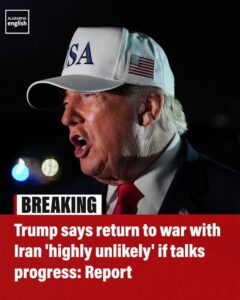
The strategic atmosphere transformed when President Trump publicly outlined the parameters under which additional military action could be avoided. Trump noted that the United States had already executed targeted military strikes to establish deterrence, leaving Tehran with strong incentives to seek a lasting deal.
“The answer is highly unlikely it’s going to be necessary. They’re a failing nation… They want to make a deal so badly.”
— U.S. President Donald Trump
While outlining the path forward, Trump maintained that the military option remains on the table should diplomatic tracks collapse. However, the explicit emphasis on a “highly unlikely” need for fresh strikes provides negotiators in Doha and regional capitals much-needed leverage to finalize a binding framework.
Key Pillars of the Proposed Diplomatic Framework
Nuclear Non-Proliferation Enforcements: Strict verification mechanisms to prevent Iran from attaining weaponized enrichment levels.
Persian Gulf Maritime Security: Clear assurances prohibiting any further harassment of international commercial shipping and oil tankers in the Strait of Hormuz.
Economic & Sanctions Restructuring: Calibrated adjustments to financial pressures conditional on verified compliance by TehranTehran.
Regional Security Stabilization: Multi-lateral dialogue aimed at curbing proxy flare-ups across secondary regional theaters.
2. Strategic Context: Deterrence Meets Diplomacy
The path toward a potential agreement has been built on a complex dual-track strategy combining military posture with indirect economic and diplomatic channels.
                +------------------------------------+
                |    DUAL-TRACK DIPLOMACY MODEL      |
                +------------------------------------+
                                  |
         +------------------------+------------------------+
         |                                                 |
         v                                                 v
+---------------------------------+               +---------------------------------+
|      MILITARY DETERRENCE        |               |      DIPLOMATIC PATHWAY         |
| 3 Carrier Strike Groups deployed|               | Qatari mediation & indirect     |
| Detailed infrastructure targets |               | diplomatic proposals            |
| High-readiness defensive stance |               | Conditional sanctions relief    |
+---------------------------------+               +---------------------------------+
         |                                                 |
         +------------------------+------------------------+
                                  |
                                  v
                +------------------------------------+
                |  "HIGHLY UNLIKELY" STRIKE REGIME   |
                |  Conditional Peace & Gulf Stability|
                +------------------------------------+
Military Readiness as Leverage
Even while emphasizing diplomatic prospects, the White House has highlighted the massive force presence deployed to the region. With three U.S. aircraft carrier strike groups operational in adjacent waters, U.S. officials maintain that diplomatic flexibility is directly sustained by military deterrence.
The Role of Regional Mediators
Countries like Qatar have played an indispensable role in carrying messages between Washington and Tehran. Iranian foreign policy officials confirmed that proposals aimed at opening maritime passages while securing structural concessions have been actively discussed in third-party venues.
3. Roadblocks and Reality Checks: Divergent Statements
Despite the optimistic tone set by President Trump’s “highly unlikely” declaration, significant friction remains between the two nations’ official stances.
U.S. Administration Nuances
While the President underscored the likelihood of avoiding wider conflict, senior cabinet officials—including Secretary of State Marco Rubio—cautioned that a breakthrough is not guaranteed. Rubio noted that several initial Iranian demands were unrealistic, stressing that sustained diplomatic progress depends entirely on Tehran offering concrete, verifiable steps on nuclear capabilities.
Tehran’s Domestic Pressures
Inside Iran, leaders face compounding economic pressures, hyperinflation, and infrastructure strains. While Supreme Leader Ali Khamenei and diplomats have allowed negotiation tracks to proceed, domestic hardliners remain wary of accepting unreciprocated U.S. conditions.
4. Market and Geopolitical Impact
The signal of a potential diplomatic exit ramp sent immediate ripples across global energy markets and international security assessments.
Energy Market Stabilization: Oil prices stabilized after weeks of volatility driven by fears of complete maritime blockades in the Strait of Hormuz.
Maritime Shipping Confidence: Commercial shipping operators signaled cautious optimism regarding risk insurance rates for Gulf transit.
Regional Security Alignment: Allies across the Gulf Cooperation Council (GCC) welcomed the reduction in immediate kinetic risks while emphasizing the need for long-term regional security guarantees.
5. What Comes Next?
The next critical phase will focus on converting high-level signals into a signed, operational memorandum of understanding.
Immediate Term: Verification of free transit for commercial vessels through key maritime bottlenecks.
Medium Term: Direct or mediated technical talks defining exact nuclear enrichment ceilings and inspection protocols.
Long Term: Establishing a broader framework for regional stability that prevents recurrent crises.
Frequently Asked Questions (FAQs)
What did Donald Trump say about strikes on Iran?
President Trump stated that new U.S. military strikes on Iran are “highly unlikely” if diplomatic negotiations yield a strong, enforceable agreement and open critical waterways.
What are the main conditions for a U.S.-Iran deal?
Key conditions include strict limitations on Iran’s nuclear enrichment capabilities, verified opening of the Strait of Hormuz to international shipping, and cessation of regional proxy aggression.
Why is the Strait of Hormuz critical to negotiations?
The Strait of Hormuz is one of the world’s most vital oil transit choke points. Disruption to shipping through the strait impacts global energy supply and drives rapid inflation in international fuel markets.
Are direct talks taking place between the U.S. and Iran?
Negotiations have largely proceeded through indirect mediation facilitated by regional partners, including Qatar and Pakistan, alongside strategic exchanges of framework proposals.
About the Author