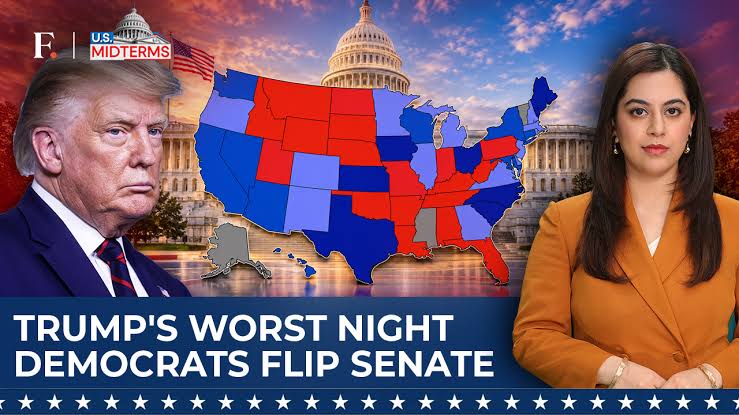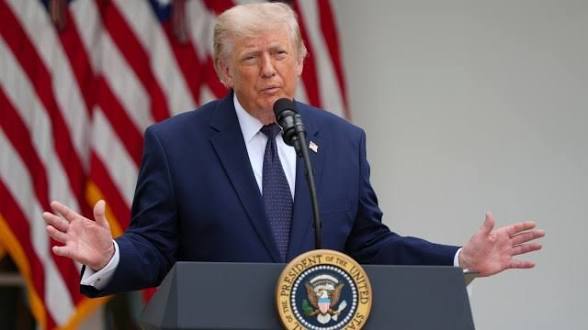
President Donald Trump is facing a major political setback after Democrats secured control of both chambers of Congress in the 2026 midterm elections. The results have changed the balance of power in Washington and created new challenges for the Republican administration.
Trump’s response has been a mixture of defiance, criticism and cautious promises of cooperation. He acknowledged that he was surprised by the scale of the Democratic victories. However, he also insisted that his presidency would remain powerful and warned that he could block legislation he opposes.
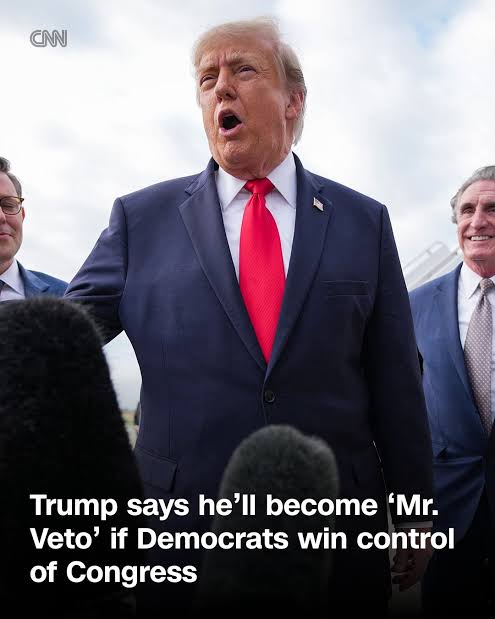
The president’s earlier warning that he could become “Mr. Veto” has now become a central part of the political debate. His reaction raises important questions about the future of his legislative agenda, the relationship between the White House and Congress, and the direction of American politics.
Trump Reacts to Democratic Victories With a Warning

Trump’s reaction to the election results revealed a president determined to maintain control over his administration’s priorities.
In an interview with Fox News, Trump said he was “a little bit surprised” by the outcome. He explained that he had expected Republicans to perform better after his extensive campaign appearances and rallies.
The president also argued that his absence from the ballot made the election different from a presidential contest. On social media, he claimed that he would have won by a landslide if he had personally appeared on the ballot.
However, the election results demonstrated that voters were willing to support Democratic candidates even in traditionally Republican areas.
According to Reuters, Democrats captured both the House of Representatives and the Senate, marking a significant change in congressional leadership. The victories also included several traditionally conservative states.
Trump’s response has therefore become an important test of his political leadership. He must now work with a Congress controlled by the opposition while defending his administration’s policies.
Why Trump Is Being Called Mr. Veto
The phrase “Mr. Veto” became prominent during the election campaign.
Before the results were announced, Trump warned that he would use his presidential veto power if Democrats gained control of Congress. He presented the veto as a powerful tool that could prevent the opposition from advancing legislation he considers harmful.
In an interview with CBS News before Election Day, Trump described the veto as one of his most important presidential powers.
The president also suggested that repeated vetoes could eventually encourage Democrats to negotiate with him.
The warning has become particularly relevant after the election because Democrats are preparing to take control of both congressional chambers.
A presidential veto allows the president to reject legislation passed by Congress. However, lawmakers can override a veto if two-thirds of members present and voting in both the House and Senate support the legislation.
This requirement makes veto overrides difficult, especially when the president’s party does not hold enough congressional seats to block them.
Nevertheless, the veto does not give the president unlimited authority. Congress retains important constitutional powers, including control over federal spending, legislation and oversight of the executive branch.
Trump’s “Mr. Veto” warning therefore signals a possible period of intense political conflict.
Democrats Win Control of Congress
The 2026 midterm elections produced a significant shift in American politics.
Democrats won control of both the House and the Senate, ending two years of Republican control of Congress.
The victories included several surprising results in states that have traditionally supported Republican candidates.
In Texas, Democrats secured a Senate victory and defeated Governor Greg Abbott. The results represented a major change in a state that has long been a Republican stronghold.
Democrats also achieved historic victories in Kansas and other traditionally conservative areas.
The outcome was especially significant because Trump had campaigned extensively for Republican candidates.
The president held rallies and encouraged supporters to vote as though he himself were on the ballot. Nevertheless, the Democratic victories demonstrated that his influence could not guarantee Republican success.
The election results also created new opportunities for Democratic leaders to shape congressional priorities.
Once the new Congress takes office in January 2027, Democrats will be able to determine committee leadership, influence legislation and increase scrutiny of the administration.
Trump’s Reaction: Surprise, Blame and Defiance
Trump’s response to the Democratic victories has included several different messages.
First, he expressed surprise at the election results. He had expected Republicans to perform better, particularly after his campaign appearances.
Second, he criticized Republican candidates and suggested that some had failed to appeal to voters.
The president also blamed high energy prices, which he linked to the war with Iran, for contributing to Republican losses.
However, Trump rejected the idea that the results represented a personal rejection of his leadership.
He argued that he had not appeared on the ballot and claimed that he would have won by a large margin if he had been a candidate.
His reaction reflects a broader challenge for the Republican Party. The party must determine whether the election results were primarily a response to Trump’s policies, individual candidates or wider economic concerns.
Democrats, meanwhile, have argued that the results represent a rejection of the administration’s direction.
The coming months will reveal how both parties interpret the election and prepare for the next political battles.
What the Democratic Victory Means for Trump’s Agenda
The Democratic victories could make it more difficult for Trump to advance his legislative priorities.
Republicans previously controlled both chambers of Congress, allowing the administration to work with congressional leaders who generally supported its agenda.
That situation will change when the new Congress begins its work in January.
Democrats will be able to block many Republican legislative proposals and introduce bills of their own.
However, passing legislation will still require negotiations and support from lawmakers across the political divide.
The president may also face greater resistance to proposals involving immigration, federal spending, taxation and trade.
Congressional Democrats have indicated that they intend to scrutinize the administration more closely.
Their priorities are expected to include investigations, oversight hearings and demands for documents from federal agencies.
The shift in congressional control will not automatically end Trump’s presidency or remove his executive powers.
Nevertheless, it will make the legislative process more complicated and could force the White House to negotiate more frequently.
Can Trump Govern Without Congress?
Trump may attempt to advance parts of his agenda through executive action.
Presidents can issue executive orders and direct federal agencies to implement policies within the authority granted by law.
However, executive actions have important legal limits.
They cannot simply replace legislation when the Constitution or federal law requires congressional approval.
Reuters reported before the election that the White House had been preparing for the possibility of a Democratic congressional takeover.
The planning reportedly included possible executive actions involving immigration, trade, housing and federal spending.
The administration has also been considering how to respond to congressional investigations and document requests.
These preparations suggest that the White House anticipated the possibility of divided government.
Even so, executive action can face legal challenges, congressional scrutiny and practical limits.
Trump’s ability to govern without congressional support will depend on the specific policy, the authority available to him and the willingness of courts to uphold his decisions.
The Economic Issues Behind the Election Results
Economic concerns played an important role in the 2026 midterm elections.
Voters expressed frustration about the cost of living, energy prices and the broader direction of the economy.
Democrats made affordability a central part of their campaign strategy.
They argued that the administration’s policies had contributed to higher costs and placed pressure on household budgets.
The war with Iran also became a major political issue because of its connection to energy prices.
Trump acknowledged that high gasoline prices may have affected Republican performance. However, he continued to defend his administration’s approach to Iran.
The election results suggest that economic concerns can influence voters even when a president maintains strong support among parts of the electorate.
For Republicans, the challenge will be to demonstrate that their policies can improve household finances.
For Democrats, the challenge will be to turn campaign promises into practical results once they take control of Congress.
The cost of living is therefore likely to remain a central issue during the next two years.
What Happens Next in Washington?
The next major political transition will take place in January 2027, when the newly elected members of Congress begin their terms.
Democrats will then assume control of the House and Senate.
Their leadership will determine the legislative agenda and the direction of congressional investigations.
The White House will need to decide which issues are suitable for bipartisan cooperation and which are likely to produce a political confrontation.
Trump has indicated that he is willing to work with Democrats on some matters.
However, his warning about vetoes suggests that cooperation will have limits.
The president may also use executive authority to pursue policies that do not require new legislation.
At the same time, congressional Democrats are expected to increase oversight of the administration.
The result could be a period of intense political negotiation, legal disputes and public debate.
Both parties will also begin preparing for the 2028 presidential election.
The midterm results may influence the selection of future candidates and the political strategies of both parties.
Conclusion
Trump’s reaction to the Democratic victories reflects the difficult position facing his administration after the 2026 midterm elections.
The president has expressed surprise, criticized some Republican candidates and defended his record. At the same time, he has promised cooperation while warning that he could veto legislation he opposes.
The Democratic takeover of Congress will create new challenges for the White House. It will also give Democrats greater authority to investigate the administration, shape legislation and influence federal spending.
However, the election results do not remove Trump’s constitutional powers or automatically end his ability to pursue his priorities.
The coming months will show whether the president can reach agreements with the new congressional majorities or whether Washington will enter a prolonged period of political confrontation.
For now, the “Mr. Veto” warning captures the central question facing American politics: how will a president accustomed to working with a supportive Congress govern when the opposition controls both chambers?
Frequently Asked Questions
1. Why is Trump being called Mr. Veto?
Trump used the phrase during the 2026 election campaign to describe his willingness to veto legislation passed by a Democratic-controlled Congress.
2. Did Democrats win control of Congress in the 2026 midterms?
Yes. Democrats won control of both the House of Representatives and the Senate in the November 3, 2026, midterm elections.
3. What did Trump say after the Democratic victories?
Trump said he was surprised by the results, criticized some Republican candidates and expressed willingness to work with Democrats. He also emphasized his veto power.
4. Can Trump veto legislation passed by Congress?
Yes. The president can veto bills passed by Congress. However, lawmakers can override a veto with a two-thirds majority in both chambers.
5. When will Democrats take control of Congress?
The newly elected members of Congress are scheduled to begin their terms in January 2027.
6. Can Democrats investigate the Trump administration?
Yes. Congressional majorities can conduct oversight hearings, request documents and investigate federal agencies and administration policies, subject to applicable legal limits.
7. Will Trump’s veto power stop every Democratic bill?
No. A veto can block legislation, but Congress can override it with the required two-thirds majority in both chambers. Democrats may also pursue bipartisan agreements.
8. What does the election mean for Trump’s presidency?
The election results will make it more difficult for Trump to advance legislation without Democratic support. However, he retains his constitutional powers as president and can continue to pursue policies within his legal authority.
About the Author