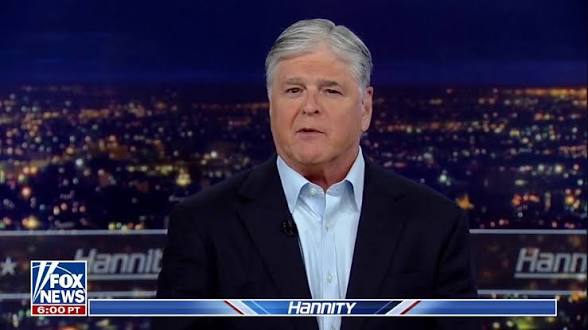
The 2026 midterm elections have delivered a major political shock, prompting renewed debate about the future of American politics. Fox News host Sean Hannity has warned that a Democratic victory could lead to a significant shift in the country’s political direction.
The warning comes as Republicans face the consequences of disappointing election results and Democrats look toward a stronger position in Washington.
Hannity’s comments reflect concerns among conservatives about the policies Democrats could pursue if they gain greater control over Congress. His remarks also highlight a familiar political question: What happens when a party wins power, and how far can it go before voters push back?
On November 4, Hannity discussed the possibility of Democratic overreach following the election. He predicted that Democrats could face pressure to pursue an ambitious agenda if they gain a congressional majority.
Fox News Video+1
The debate is not simply about which party wins elections. It also concerns the balance of power, the direction of federal policy and the ability of political leaders to respond to voters.
This article examines Hannity’s warning, the election’s political implications, and the questions facing both parties as the results reshape the national debate.
Hannity warns of Democratic overreach after election sweep

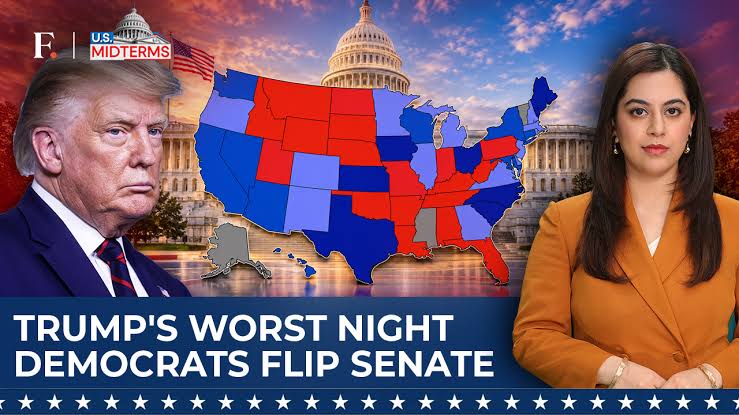
The Democratic sweep of Congress has transformed the political landscape in Washington. The party has won control of both the House and Senate, ending two years of unified Republican control under President Donald Trump.
The election results represent a major setback for Republicans and create new opportunities for Democrats to challenge the administration’s policies. They also place greater responsibility on Democratic leaders to deliver on their campaign promises.
AP News+1
Hannity’s warning centers on what Democrats might do with their newly expanded power. His prediction is that a significant electoral victory could encourage the party’s most ambitious members to push policies that Republicans consider too far to the left.
The debate over that possibility is already becoming a central part of the post-election discussion.
What did Hannity say?
On November 4, Hannity warned that Democratic overreach was a certainty if the party secured a majority in Congress. His remarks came during Fox News’ election coverage, as the results showed Democrats making substantial gains.
The prediction reflects his broader argument that progressive Democrats could use their political advantage to advance an ambitious agenda.
Fox News Video+1
However, a warning about possible overreach is not the same as evidence that every Democrat supports the same policies.
Democrats include moderates, progressives and democratic socialists. Their priorities differ on spending, taxation, immigration, healthcare and the role of government.
The new congressional majority will have to manage those differences while responding to voters who expect meaningful results.
Why the Democratic sweep matters
The 2026 election produced a significant change in congressional power.
Democrats won control of both chambers, including several Senate races in traditionally Republican states. Their victories in Texas, Kansas, South Carolina, Iowa, North Carolina and Ohio helped reshape the Senate.
The party also gained House seats across the country, including in competitive districts where Republicans had expected to remain strong.
New Hampshire Public Radio+1
The results give Democrats a stronger position to influence federal legislation, investigate the administration and challenge Republican priorities.
For Republicans, the losses create an immediate political problem. The party must reconsider its campaign strategy, congressional leadership and approach to the remaining years of Trump’s presidency.
The outcome also creates a new test for Democratic leaders. Winning an election is one challenge. Governing effectively is another.
The economy played a major role
Economic concerns were among the most important issues shaping the election.
Many voters expressed frustration over the cost of living, including the price of groceries, fuel and other essential goods. Concerns about government corruption and the direction of the country also influenced the campaign.
The election results suggest that a substantial number of voters wanted a different approach to economic and political issues.
CBS News+1
Democrats made affordability a central part of their campaign message. They promised to address household costs and reconsider policies that they argued had placed additional pressure on families.
Republicans, meanwhile, defended the administration’s economic record and argued that their policies would deliver long-term benefits.
The election outcome indicates that those arguments did not persuade enough voters in key races.
Hannity’s warning about a radical political pivot must therefore be considered alongside the economic concerns that helped produce the Democratic victory.
Voters may have supported Democratic candidates because they wanted lower costs, stronger oversight or a change in direction. That does not automatically mean they endorsed every proposal associated with the party’s progressive wing.
What Democrats plan to do with Congress
Democratic leaders have outlined an ambitious agenda for the new congressional session.
House Democratic Leader Hakeem Jeffries has emphasized efforts to lower the cost of living, restore healthcare funding and investigate the Trump administration.
Senate Democratic Leader Chuck Schumer has also promised action on affordability and other priorities.
Democrats are preparing to use their congressional majority to pursue legislation and strengthen oversight of the administration.
AP News+1
Their priorities include:
Reducing the cost of essential goods and services.
Reconsidering healthcare spending cuts.
Reviewing the administration’s policies and decisions.
Examining government contracts and potential conflicts of interest.
Challenging policies related to immigration, tariffs and the war with Iran.
These proposals are likely to generate strong political disagreements.
Republicans may oppose legislation they believe would increase federal spending or expand government authority. Democrats may argue that their plans are necessary to address economic pressures and restore accountability.
The outcome will depend on how effectively Democrats can maintain unity and negotiate with the president.
Will Democrats pursue a radical agenda?
Hannity’s warning raises a question that will remain central to the political debate: Will Democrats use their new majority to pursue moderate reforms or a more sweeping progressive agenda?
The answer is not yet clear.
Some Democratic lawmakers support substantial changes to federal policy. Others represent districts where voters may prefer a more moderate approach.
That diversity could become a challenge for Democratic leadership.
Jeffries and Schumer will need to balance the demands of progressive lawmakers with the priorities of members who won in competitive districts.
A narrow disagreement within the party could complicate legislative efforts, even with Democrats controlling both chambers.
At the same time, the election gives Democrats a stronger opportunity to shape national policy than they had during the previous Congress.
Hannity’s prediction is therefore best understood as a political warning about the direction Democrats might take, rather than a confirmed description of what the new Congress will accomplish.
The historical pattern of midterm elections
Midterm elections have often produced setbacks for the party controlling the White House.
Presidents can lose congressional support when voters become dissatisfied with economic conditions, political decisions or the direction of the country.
Hannity has pointed to this historical pattern in his discussion of the 2026 results.
He cited the experiences of Ronald Reagan, Bill Clinton and Barack Obama, whose parties faced significant midterm losses before their presidents later won reelection.
Israel National News+1
The comparison is important because it shows that a midterm defeat does not necessarily determine the next presidential election.
However, history does not guarantee that the same pattern will repeat.
The political environment in 2026 includes its own challenges, including the war with Iran, economic concerns and questions about the administration’s performance.
Republicans will need to respond to those issues if they hope to rebuild their position before the next presidential election.
What the election means for Trump
The Democratic victory creates a new political environment for President Trump.
With Democrats controlling Congress, the administration will face greater resistance to its legislative priorities.
Democrats will also have increased authority to investigate government actions and demand information from federal officials.
The change in congressional control could affect spending decisions, healthcare policy, immigration enforcement and other major issues.
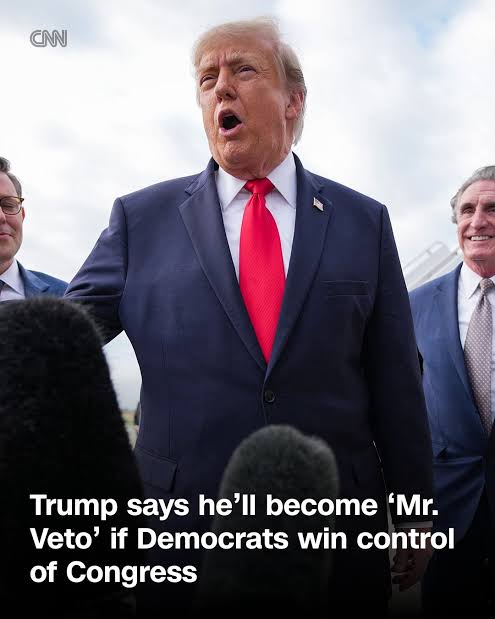
Trump has indicated that he is willing to work with Democrats on some matters, while also warning that he could veto legislation he opposes.
AP News+1
This creates the possibility of a more confrontational relationship between the White House and Congress.
The administration may need to negotiate with Democratic leaders to secure funding and advance policies that require congressional approval.
At the same time, Democrats may face pressure from their supporters to use their majority to challenge the president more aggressively.
The election has therefore created a difficult political balancing act for both sides.
Could investigations dominate the next two years?
Congressional oversight is expected to become a major part of the new Democratic majority’s agenda.
Democrats have indicated that they intend to examine several aspects of the Trump administration, including its immigration policies, government spending and business dealings.
The party has also discussed using subpoenas and committee hearings to obtain information from administration officials.
These efforts could create significant political and legal disputes.
CBS News+1
Supporters of stronger oversight argue that Congress has a responsibility to investigate potential misconduct and ensure accountability.
Republicans may argue that some investigations are politically motivated or designed to weaken the president.
The effectiveness of congressional oversight will depend on the evidence available, the legal authority of committees and the ability of lawmakers to conduct credible investigations.
Hannity’s warning about a radical political shift may become more prominent if Democrats pursue an aggressive investigative strategy.
However, oversight is also a normal function of Congress, particularly when the president’s party does not control the legislative branch.
Republicans face a difficult political recovery
The election results have created a serious challenge for Republican leaders.
The party must determine why it lost support in several states and how to respond to the issues that influenced voters.
Economic concerns, the war with Iran and dissatisfaction with the direction of the country have all been identified as factors in the Republican defeat.
Vice President JD Vance has pointed to the Iran war as a major reason for the losses.
AP News+1
Republicans will also need to consider their messaging on healthcare, government spending and immigration.
The party’s congressional leadership may face internal pressure as members debate the best strategy for opposing Democrats.
Some Republicans may favor cooperation on issues such as affordability, while others may prefer a more confrontational approach.
The challenge will be to develop a strategy that responds to voters’ concerns without deepening divisions within the party.
What happens next?
The new Congress is scheduled to begin its work in January 2027.
Until then, Republicans will retain their existing congressional majorities, creating a final period in which the party can pursue unfinished legislative priorities.
The transition period will also give Democrats time to prepare their agenda and organize congressional leadership.
Once the new Congress convenes, lawmakers will face several immediate decisions.
These include selecting congressional leaders, considering federal funding legislation and determining which investigations or policy proposals should receive priority.
The next two years could bring significant changes to the relationship between Congress and the White House.
The election results have created the conditions for a more divided and contentious political environment, but they have not determined the outcome of every legislative battle.
Conclusion: Hannity’s warning becomes a central political question
Sean Hannity’s warning about a radical Democratic pivot reflects the concerns of conservatives following the 2026 election sweep.
Democrats now have a stronger position in Congress, giving them greater influence over federal legislation, spending and oversight.
The party has promised to focus on affordability, healthcare and accountability. Its ability to deliver on those promises will shape the political debate over the next two years.
At the same time, Democrats will face pressure to manage divisions within their own party and avoid policies that could alienate moderate voters.
For Republicans, the election creates an urgent need to reassess their strategy and respond to the concerns that contributed to their defeat.
The central question is whether Democrats will use their new power to pursue broad reforms, adopt a more moderate approach or combine elements of both.
Hannity has warned that overreach could follow a major Democratic victory. The coming months will show whether that prediction becomes a defining feature of the new Congress or remains a partisan argument in the aftermath of a historic election.
Frequently Asked Questions
1. What did Sean Hannity warn about after the 2026 election?
Hannity warned that Democrats could overreach if they gained a congressional majority. He argued that a major election victory could encourage the party to pursue an ambitious political agenda.
2. Did Democrats win control of Congress in 2026?
Yes. Democrats won control of both the House and Senate in the November 2026 midterm elections, creating a new period of divided government.
3. Why did Democrats win the 2026 midterm elections?
Economic concerns, dissatisfaction with the direction of the country and the war with Iran were among the major issues influencing voters. Democrats also made affordability and government accountability central campaign themes.
4. What policies do Democrats plan to pursue?
Democratic leaders have emphasized lowering living costs, restoring healthcare funding, reviewing administration policies and strengthening congressional oversight.
5. Could Democrats impeach President Trump?
Impeachment is one possibility discussed by some Democrats, but it is not a confirmed outcome. Any impeachment effort would depend on future decisions by lawmakers and the evidence available.
6. Will Hannity’s warning about a radical pivot come true?
That remains uncertain. Democrats have different political priorities, and their ability to pursue major changes will depend on party unity, negotiations with the president and congressional support.
7. When will the new Congress begin?
The new Congress is scheduled to begin in January 2027, when newly elected lawmakers take office and congressional leadership elections take place.
8. What does the election mean for Republicans?
Republicans face a period of political reassessment. They will need to respond to voter concerns, choose a strategy for dealing with Democratic control of Congress and prepare for future elections.
About the Author