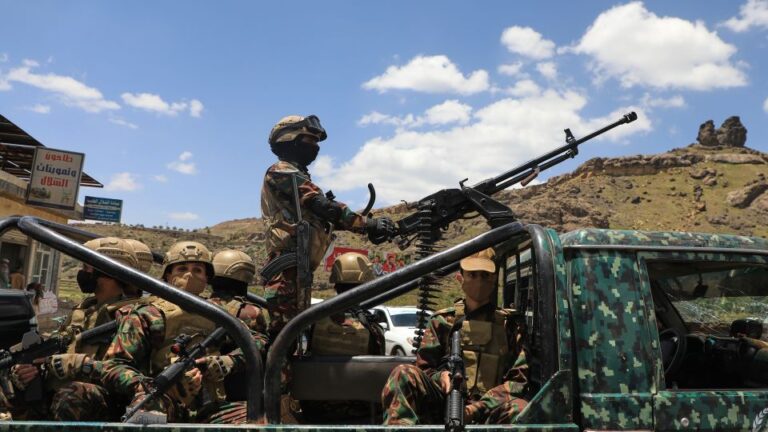
Newly released audio reportedly captures the Iranian military threatening ships in the Strait of Hormuz as regional tensions escalate and global shipping faces renewed risks.
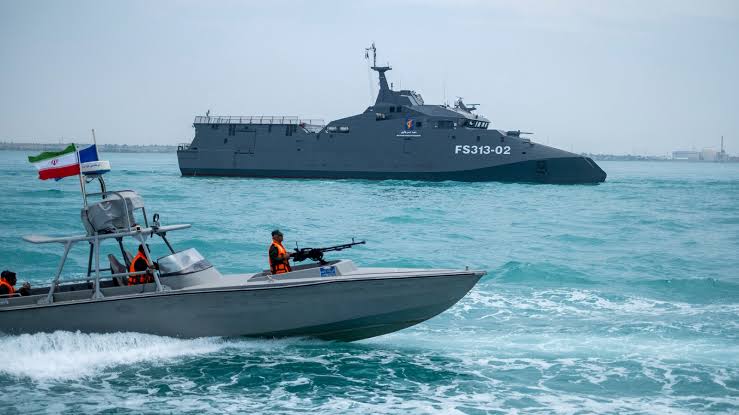
The strategic Strait of Hormuz has once again become the focus of international attention after newly released audio reportedly captured Iranian military personnel issuing threatening radio communications to commercial vessels navigating one of the world’s busiest maritime corridors. The recordings, widely circulated by multiple media outlets, have intensified concerns among governments, shipping companies, insurers, and energy markets already watching rising tensions across the Middle East.
Although officials continue examining the recordings and the broader circumstances surrounding them, the reported warnings have renewed fears that commercial shipping through the Strait of Hormuz could face increasing risks if regional hostilities continue to escalate.
The development comes during a period of heightened military activity involving Iran and the United States, with several recent incidents involving commercial vessels contributing to uncertainty throughout the Gulf region.
Why the Strait of Hormuz Matters
The Strait of Hormuz is among the world’s most strategically important waterways.
Located between Iran and Oman, the narrow passage connects the Persian Gulf to the Gulf of Oman and ultimately the Arabian Sea. Every day, millions of barrels of crude oil, refined petroleum products, and liquefied natural gas pass through this route.
Because such a significant share of global energy exports travels through the strait, any disruption can have immediate consequences for:
- Global oil prices
- Energy security
- International shipping
- Marine insurance costs
- Supply chains
- Inflation worldwide
Even relatively minor incidents often prompt energy traders and shipping firms to reassess operational risks.
What the Newly Released Audio Reportedly Contains
According to reports, the recordings feature what appears to be Iranian military radio operators issuing forceful warnings to vessels approaching or transiting the Strait of Hormuz.
Media reports indicate that ships were allegedly instructed regarding their movement through the waterway while warnings suggested that military force could be used if instructions were ignored. Several outlets have published portions of the recordings, though independent verification of every aspect of the audio remains ongoing.
The reported communications have attracted significant attention because maritime radio exchanges are routinely monitored by commercial shipping operators.
Such broadcasts can directly influence navigation decisions, especially during periods of military tension.
Maritime Security Concerns Continue to Grow
Commercial vessels operating in the Persian Gulf already face heightened security challenges.
Shipping companies closely monitor alerts issued by organizations including:
- United Kingdom Maritime Trade Operations (UKMTO)
- Maritime security consultants
- Regional naval coalitions
- International shipping associations
Recent reports of attacks involving commercial ships have further increased caution among vessel operators.
Many shipping companies now conduct enhanced voyage risk assessments before entering the Strait of Hormuz.
Why Radio Warnings Matter
Military radio communications are not uncommon in contested maritime regions.
However, threatening language directed toward commercial shipping carries several implications.
These include:
Increased Operational Risk
Captains may choose alternative routes.
Ships could reduce speed.
Some operators may delay voyages.
Insurance Costs
Marine insurers closely evaluate geopolitical developments.
If risks rise, war-risk insurance premiums often increase substantially.
Higher insurance expenses eventually affect freight rates and consumer prices.
Impact on Global Energy Markets
Oil markets are highly sensitive to developments involving the Strait of Hormuz.
Any suggestion that shipping traffic may face interruptions often leads traders to monitor:
- Export volumes
- Tanker movements
- Naval deployments
- Insurance pricing
- Government advisories
Analysts note that even without a formal closure of the waterway, uncertainty alone can influence market sentiment.
Shipping Industry Responds Carefully
International shipping companies generally avoid taking political positions.
Instead, they focus on:
- Crew safety
- Vessel security
- Insurance requirements
- Voyage planning
- Compliance with international maritime guidance
Some companies reportedly adjusted sailing schedules following recent security developments in the Gulf region.
Regional Military Activity
The reported release of the audio comes amid broader regional tensions.
Recent developments have included:
- Military operations involving U.S. forces.
- Security incidents affecting commercial shipping.
- Increased naval patrols.
- Ongoing diplomatic efforts to prevent wider conflict.
These events have contributed to heightened concern among international observers regarding maritime stability in the Gulf.
International Reaction
Governments around the world continue emphasizing the importance of maintaining freedom of navigation through international waterways.
Many countries rely heavily on uninterrupted shipping through the Strait of Hormuz for:
- Oil imports
- LNG supplies
- Industrial production
- Economic stability
Any sustained disruption could have consequences extending far beyond the Middle East.
Could Commercial Traffic Be Affected?
Shipping experts generally note that commercial traffic rarely stops completely unless the security environment deteriorates significantly.
Instead, companies may:
- Delay departures
- Alter transit timing
- Increase onboard security
- Coordinate with naval authorities
- Purchase additional insurance coverage
These measures aim to reduce risk while maintaining global trade flows.
Historical Context
The Strait of Hormuz has experienced multiple periods of heightened tension over the past several decades.
Past incidents have included:
- Vessel seizures
- Drone activity
- Naval confrontations
- Missile threats
- Maritime surveillance operations
Despite these challenges, international shipping has generally continued operating, although often under increased security precautions.
Why This Audio Is Receiving Attention
Unlike written statements, recorded radio communications provide insight into real-time interactions occurring during maritime operations.
If authenticated, such recordings can:
- Illustrate operational procedures.
- Reveal military messaging.
- Influence commercial risk assessments.
- Shape diplomatic discussions.
- Affect insurance markets.
For these reasons, the reported audio has drawn considerable attention from governments, maritime analysts, and energy traders alike.
If security conditions in the Strait of Hormuz continue to deteriorate, the effects could ripple through the global economy. Because roughly one-fifth of the world’s seaborne oil trade passes through the strait, even temporary disruptions can affect international markets.
Potential economic impacts include:
- Higher global crude oil prices.
- Increased fuel costs for consumers.
- Rising shipping and freight rates.
- Supply chain delays.
- Higher inflation in energy-importing countries.
Financial markets often react quickly to geopolitical developments in the Gulf, with investors closely watching oil inventories, tanker movements, and official government statements.
Global Oil Markets Are Watching Closely
Energy traders monitor the Strait of Hormuz more closely than almost any other maritime chokepoint.
Countries that rely heavily on oil exports through the region include:
- Saudi Arabia
- Iraq
- Kuwait
- United Arab Emirates
- Qatar
Any perception that commercial shipping is becoming more dangerous may prompt market volatility, even if exports continue without interruption. Analysts note that uncertainty itself can influence prices as traders factor in potential risks.
Shipping Companies Face Difficult Decisions
Commercial shipping firms must balance safety with operational efficiency.
Following reports of threatening radio communications, companies may choose to:
- Increase onboard security measures.
- Coordinate more closely with naval forces.
- Adjust sailing schedules.
- Delay departures until conditions improve.
- Purchase additional war-risk insurance.
These precautions can increase transportation costs, which may eventually be reflected in the prices consumers pay for imported goods.
Insurance Costs Could Continue Rising
Marine insurers closely monitor every security incident affecting major shipping routes.
If threats increase, insurers may:
- Raise war-risk premiums.
- Require additional security protocols.
- Limit coverage in high-risk areas.
- Reassess voyage approvals.
For tanker operators transporting millions of barrels of oil, these additional costs can be significant.
Military Presence in the Gulf
Several countries maintain naval forces in and around the Persian Gulf to help safeguard commercial shipping and ensure freedom of navigation.
Their missions typically include:
- Escorting vulnerable vessels.
- Monitoring maritime traffic.
- Responding to emergencies.
- Deterring attacks on commercial ships.
- Supporting regional maritime security.
The presence of international naval forces is intended to reduce risks, although periods of heightened tension can still create uncertainty for civilian vessels.
Diplomatic Efforts Continue
While military preparedness remains important, diplomatic engagement is also a key component of regional stability.
International leaders continue to call for:
- De-escalation of tensions.
- Protection of civilian shipping.
- Respect for international maritime law.
- Peaceful resolution of disputes.
- Continued dialogue between regional powers.
Many governments stress that keeping the Strait of Hormuz open is in the interest of both energy producers and energy-importing nations.
What Maritime Experts Are Saying
Maritime security specialists generally caution against drawing conclusions from a single incident. Instead, they evaluate broader trends, including:
- Frequency of threatening communications.
- Reports from commercial ship operators.
- Naval activity in the region.
- Official security advisories.
- Verified intelligence from maritime authorities.
Experts emphasize that commercial shipping has continued to transit the Strait of Hormuz during previous periods of tension, though often with enhanced security measures.
Possible Future Scenarios
Several outcomes remain possible depending on diplomatic and military developments.
1. Tensions Ease
If diplomatic efforts succeed, commercial shipping could continue with minimal disruption, helping stabilize energy markets.
2. Continued Heightened Security
Military patrols and security measures may remain elevated while commercial traffic continues through the strait.
3. Increased Regional Confrontation
If hostilities escalate, shipping companies could face greater operational challenges, potentially affecting global energy supplies and transportation costs.
At present, the situation remains fluid, and governments and industry stakeholders continue to monitor developments closely.
Why the Strait of Hormuz Remains Critical
The Strait of Hormuz is more than a regional waterway—it is a vital artery for the global economy.
Its importance stems from:
- Massive daily oil exports.
- Liquefied natural gas shipments.
- Strategic military positioning.
- International trade routes.
- Global energy security.
As a result, developments in the strait frequently become matters of worldwide concern.
Conclusion
The reported release of audio allegedly capturing Iranian military personnel threatening commercial ships in the Strait of Hormuz has intensified international attention on one of the world’s most important maritime corridors. While the recordings have generated significant discussion, investigations and independent verification continue.
Regardless of the ultimate findings, the incident underscores the sensitivity of the Strait of Hormuz and its central role in global energy security, maritime commerce, and regional geopolitics. Governments, shipping companies, insurers, and financial markets are likely to continue monitoring the situation closely in the weeks ahead.
Maintaining safe passage through the Strait of Hormuz remains essential for international trade, and diplomatic efforts to reduce tensions will be closely watched as the situation evolves.
Frequently Asked Questions (FAQs)
What is the Strait of Hormuz?
The Strait of Hormuz is a narrow waterway connecting the Persian Gulf to the Gulf of Oman. It is one of the world’s most important shipping routes for oil and liquefied natural gas.
Why is the reported audio significant?
The recordings reportedly contain threatening radio communications directed at commercial ships, raising concerns about maritime security and the safety of international shipping.
Has the audio been independently verified?
Media organizations have reported on the recordings, but independent verification of all aspects of the audio and the surrounding circumstances is still ongoing.
Could this affect global oil prices?
Yes. Because so much of the world’s oil passes through the Strait of Hormuz, security concerns can influence market sentiment and contribute to price volatility.
How are shipping companies responding?
Many shipping operators are reviewing security procedures, coordinating with maritime authorities, and monitoring official advisories before transiting the region.
Is the Strait of Hormuz currently closed?
No. Commercial shipping continues through the strait, although vessels may face increased security precautions due to heightened regional tensions.
How useful was this post?
Click on a star to rate it!
Average rating 0 / 5. Vote count: 0
No votes so far! Be the first to rate this post.
About the Author

usa5911.com
Administrator
Hi, I’m Gurdeep Singh, a professional content writer from India with over 3 years of experience in the field. I specialize in covering U.S. politics, delivering timely and engaging content tailored specifically for an American audience. Along with my dedicated team, we track and report on all the latest political trends, news, and in-depth analysis shaping the United States today. Our goal is to provide clear, factual, and compelling content that keeps readers informed and engaged with the ever-changing political landscape.