SHOCKING: ‘George Washington Was NOT America’s First President’
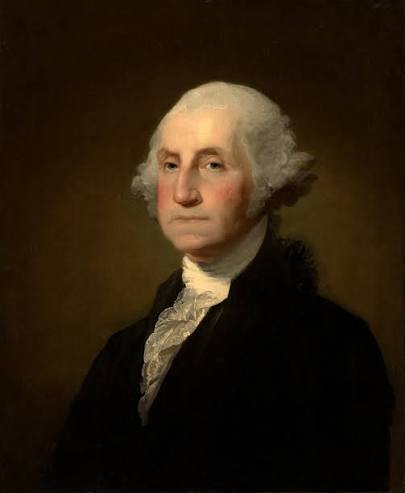
For generations, Americans have learned that George Washington was the first President of the United States. His image appears on the one-dollar bill, monuments across the nation honor his leadership, and history books celebrate him as the nation’s first commander-in-chief and inaugural president.
Yet a surprising claim continues to circulate online and in historical discussions: “George Washington was NOT America’s first president.”
At first glance, the statement seems impossible. After all, Washington took office in 1789 and is widely recognized as the nation’s first president. So why do some historians, researchers, and history enthusiasts insist someone else deserves the title?
The answer lies in the complicated years before the U.S. Constitution was adopted. During that period, the United States operated under the Articles of Confederation, a vastly different system of government that included officials with the title of president—but not the same powers held by today’s president.
This article explores where the controversy began, who John Hanson was, why his supporters call him America’s first president, and why nearly all professional historians continue to recognize George Washington as the country’s first constitutional president.
Why This Historical Debate Exists
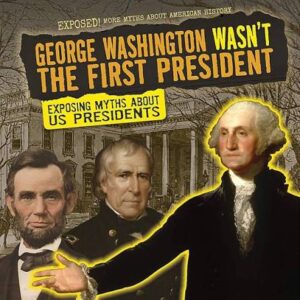
The debate largely stems from the distinction between two very different offices.
Before 1789, the United States did not have the presidency we know today. Instead, the national government was governed under the Articles of Confederation, America’s first constitution.
Under this system, the national legislature—the Continental Congress and later the Congress of the Confederation—selected a presiding officer known as the President of Congress or President of the United States in Congress Assembled.
Because this official carried the title “President,” many people mistakenly assume he served the same role later held by George Washington.
In reality, the office functioned much more like today’s Speaker of the House or chairperson of a legislative body than the modern presidency. The office lacked executive authority, military command, veto power, or responsibility for enforcing national laws.
America Before George Washington
Understanding the issue requires looking at the nation’s earliest years.
After declaring independence in 1776, the thirteen colonies were united only loosely. There was no powerful executive branch.
Instead, Congress handled national affairs, including diplomacy, war policy, and finances.
The Articles of Confederation officially took effect in 1781 after all thirteen states ratified them.
Although Congress selected presidents to oversee legislative sessions, these officials were largely ceremonial.
Their duties included:
- Presiding over congressional meetings
- Signing official documents
- Managing correspondence
- Representing Congress in ceremonial matters
- Coordinating legislative business
They could not:
- Command the military
- Enforce laws
- Appoint cabinet members
- Issue executive orders
- Collect taxes independently
- Lead the executive branch
This distinction is the key reason historians separate these congressional presidents from the constitutional presidency established in 1789.
Who Was John Hanson?
One of the most important figures in this debate is John Hanson.
Hanson, a delegate from Maryland, became President of the Continental Congress on November 5, 1781.
His election came shortly after the Articles of Confederation officially went into effect, leading many supporters to argue that he was technically the first president under the nation’s first governing constitution.
During his one-year term, Hanson oversaw congressional meetings during a challenging period immediately following the American victory at Yorktown.
His responsibilities included:
- Supervising congressional proceedings
- Signing congressional acts
- Handling diplomatic communications
- Coordinating with military leaders
- Managing legislative administration
Some historical organizations have promoted Hanson as “America’s forgotten first president.”
However, most scholars note that his office did not resemble the presidency later established by the Constitution.
Were There Presidents Before John Hanson?
Surprisingly, yes.
Even before Hanson, several men served as presidents of the Continental Congress.
Among them were:
- Peyton Randolph
- Henry Middleton
- John Hancock
- Henry Laurens
- Samuel Huntington
- Thomas McKean
These individuals presided over Congress during the Revolutionary War.
Supporters of the “John Hanson was first president” theory often argue that Hanson should be counted because he was the first president after the Articles of Confederation officially took effect.
Others disagree, noting that these earlier congressional presidents also held essentially the same legislative office.
This disagreement further complicates the historical discussion.
Why George Washington Is Still Recognized as the First President
Despite ongoing internet debates, historians overwhelmingly agree that George Washington remains the first President of the United States.
The reason is straightforward.
The U.S. Constitution, ratified in 1788, created an entirely new federal government.
For the first time, the Constitution established:
- An executive branch
- A president with executive authority
- A cabinet
- A federal judiciary
- Clearly defined constitutional powers
- A system of checks and balances
George Washington became the first person elected to this entirely new constitutional office.
He took office on April 30, 1789, after winning the first presidential election unanimously.
Unlike congressional presidents before him, Washington exercised executive authority over the federal government, commanded the armed forces, appointed executive officials, and enforced federal law.
The Constitutional Difference Matters
This distinction explains why nearly every history textbook, university, presidential library, and federal institution identifies George Washington as America’s first president.
John Hanson never served as:
- Commander-in-Chief
- Chief Executive
- Head of the Executive Branch
- Constitutional President
Instead, he chaired Congress.
That role carried prestige but not executive power.
Think of the difference this way:
A company board chair and a company’s chief executive officer (CEO) are both leaders, but they hold fundamentally different positions with different responsibilities.
Likewise, the President of Congress and the President of the United States are separate offices created under different governing systems.
States in the modern sense. The popular idea emerged much later, particularly during the 20th century, when books, articles, and websites began highlighting his role under the Articles of Confederation.
Much of the confusion comes from the official title “President of the United States in Congress Assembled.” While that title sounds similar to today’s presidency, the position was fundamentally different. Hanson presided over meetings of Congress rather than leading an executive branch. Historians emphasize that the title alone does not make him equivalent to the office later held by George Washington.
Why the Myth Continues to Spread
The claim that George Washington was not America’s first president continues to circulate for several reasons:
1. The Similarity of Titles
Many readers see the word “President” and assume the office was identical to today’s presidency. In reality, the responsibilities were entirely different.
2. Viral Social Media Posts
Eye-catching headlines often state, “George Washington wasn’t America’s first president!” without explaining the historical context. These posts generate curiosity but frequently leave out important details.
3. Oversimplified History
History is complex. Simplified versions of events can sometimes blur the distinction between the Continental Congress, the Articles of Confederation, and the Constitution.
4. Internet Misinformation
Some websites repeat the claim without consulting primary historical sources or scholarly research, allowing the misconception to spread further.
What Historians Say
Professional historians generally agree on several key points:
- George Washington was the first President of the United States under the U.S. Constitution, the office that continues today.
- John Hanson served as President of the Congress under the Articles of Confederation, a legislative position rather than an executive one.
- Earlier congressional presidents, including John Hancock, also held similar presiding roles before Hanson.
- The constitutional presidency established in 1789 marked the beginning of a completely new office with executive powers.
This broad historical consensus is reflected by institutions such as the National Archives, the White House Historical Association, and numerous universities.
Why George Washington’s Presidency Changed America
Even though Washington was not the first person to hold a title containing the word “President,” he was the first to shape the constitutional presidency.
His administration established many traditions that still influence American government today, including:
- Forming the first presidential Cabinet.
- Peacefully transferring executive power.
- Defining the relationship between the executive and legislative branches.
- Serving only two terms, creating a precedent that lasted until the 20th century.
- Leading the young nation during its earliest constitutional years.
Washington’s leadership helped transform a new Constitution into a functioning government, making his presidency one of the most significant in American history.
Separating Fact from Fiction
The statement “George Washington was not America’s first president” is technically misleading unless it includes historical context.
A more accurate explanation is:
- Several individuals served as President of the Continental Congress or President of the United States in Congress Assembled before 1789.
- John Hanson was among those officials and was the first to serve after the Articles of Confederation took effect.
- George Washington was the first President of the United States under the Constitution—the same office that every subsequent U.S. president has held.
Understanding this distinction helps explain why both claims can appear in historical discussions while only one accurately describes the modern presidency.
Frequently Asked Questions (FAQs)
Was George Washington America’s first president?
Yes. George Washington was the first President of the United States under the U.S. Constitution and took office on April 30, 1789.
Who was John Hanson?
John Hanson was a Maryland delegate who served as President of the Continental Congress under the Articles of Confederation from 1781 to 1782.
Why do some people say John Hanson was the first president?
Supporters argue that Hanson was the first president after the Articles of Confederation became effective. However, his office was legislative, not executive.
Did John Hanson have the same powers as George Washington?
No. Hanson presided over Congress but did not command the military, enforce laws, appoint executive officials, or lead an executive branch.
Who were the presidents before George Washington?
Several men served as presidents of the Continental Congress, including Peyton Randolph, John Hancock, Henry Laurens, Samuel Huntington, Thomas McKean, and John Hanson.
Why is George Washington officially recognized as the first president?
The U.S. Constitution created the modern presidency in 1789. Washington was the first person elected to that constitutional office.
Conclusion
The debate over whether George Washington was America’s first president highlights how historical titles can sometimes create confusion. While John Hanson and several others served as presidents of Congress before 1789, they did not occupy the constitutional executive office that Americans recognize today.
George Washington remains the first President of the United States in the constitutional sense, leading the nation’s executive branch and establishing many of the traditions that continue to define the presidency. At the same time, figures like John Hanson deserve recognition for their contributions during the nation’s formative years under the Articles of Confederation.
Rather than rewriting history, understanding the distinction between these different offices provides a clearer picture of how the United States evolved from a loose confederation of states into the constitutional republic that exists today.
How useful was this post?
Click on a star to rate it!
Average rating 0 / 5. Vote count: 0
No votes so far! Be the first to rate this post.
About the Author

usa5911.com
Administrator
Hi, I’m Gurdeep Singh, a professional content writer from India with over 3 years of experience in the field. I specialize in covering U.S. politics, delivering timely and engaging content tailored specifically for an American audience. Along with my dedicated team, we track and report on all the latest political trends, news, and in-depth analysis shaping the United States today. Our goal is to provide clear, factual, and compelling content that keeps readers informed and engaged with the ever-changing political landscape.