Nuclear ALERT: New Activity DETECTED At Iran’s Nuclear Sites As Tensions Surge
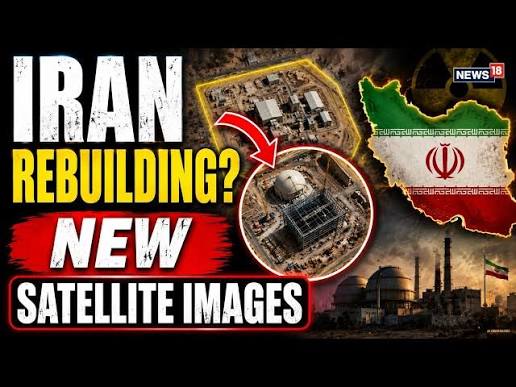
Tensions surrounding Iran’s nuclear programme have intensified after reports of new activity at several nuclear-related locations raised fresh concerns among international observers. Satellite imagery and expert analysis have pointed to possible repair and reconstruction efforts at sites damaged during recent military strikes, sparking renewed debate over Tehran’s nuclear intentions and regional security risks.
The developments come at a time when relations between Iran, the United States, and other regional powers remain extremely fragile. Questions about nuclear transparency, monitoring access, and compliance with diplomatic agreements have once again moved to the centre of global attention.
While some reports suggest Iran may be rebuilding damaged infrastructure, experts caution that construction activity alone does not confirm that Iran is advancing toward nuclear weapons capability. However, the lack of clarity has increased pressure on international agencies and governments demanding greater transparency.
Iran Nuclear Sites Under Global Watch
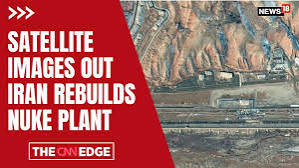
Iran’s nuclear facilities have remained a major international concern for decades. The country operates several important nuclear sites, including enrichment facilities and research centres that have been closely monitored by global institutions.
Among the most closely watched locations are:
- Natanz enrichment facility
- Fordow underground facility
- Isfahan nuclear complex
- Parchin military complex
- Other suspected nuclear-related locations
These sites have repeatedly become the focus of international negotiations, intelligence assessments, and diplomatic disputes.
The latest reports suggest that satellite images have shown movement and construction activity at certain locations linked to Iran’s nuclear infrastructure. Analysts are examining whether the activity represents basic repairs, security upgrades, or efforts to restore previously damaged capabilities.
Satellite Images Trigger Fresh Nuclear Concerns
Modern satellite technology has become one of the most important tools for monitoring sensitive military and nuclear facilities around the world.
Recent imagery reviewed by analysts reportedly showed signs of activity at Iranian locations affected by previous strikes. Images have highlighted construction equipment, changes to damaged structures, and vehicle movements near some facilities.
However, interpreting satellite images is complicated. Experts often warn that:
- Construction does not always mean nuclear expansion
- Repairs may be focused on safety or infrastructure
- Underground facilities are difficult to assess completely
- Intelligence conclusions require multiple sources
Despite these limitations, the images have intensified international attention because Iran’s nuclear programme remains a highly sensitive issue.
Why Iran’s Nuclear Programme Remains Controversial
Iran has consistently stated that its nuclear programme is peaceful and designed for civilian purposes, including energy production and scientific research.
However, Western governments and some regional countries have expressed concerns about uranium enrichment levels, past nuclear activities, and the possibility that nuclear technology could eventually support weapons development.
The central disagreement revolves around trust and verification.
International concerns include:
Uranium Enrichment
Uranium enrichment is a process that can be used for civilian nuclear energy but can also produce material suitable for nuclear weapons if carried to high levels.
Monitoring Access
International inspectors require access to facilities to verify that nuclear activities remain within agreed limits.
Underground Facilities
Some Iranian facilities are built deep underground, making them harder to monitor and increasing concerns among opponents.
Rising US-Iran Tensions Add Pressure
The latest nuclear concerns emerge during a period of heightened military and political confrontation between Washington and Tehran.
Recent clashes and retaliatory actions have increased fears that nuclear issues could become connected with broader regional conflicts. Reports have described escalating military exchanges and uncertainty surrounding diplomatic efforts.
The United States has repeatedly warned Iran about activities it considers threatening, while Tehran has accused Washington of applying excessive pressure and interfering in its sovereignty.
The situation has created a difficult environment where even routine activity at nuclear facilities can trigger international alarm.
What The Latest Activity Could Mean
Experts are considering several possible explanations for the reported activity at Iran’s nuclear sites.
1. Repairing Damage After Strikes
One possibility is that Iran is simply repairing infrastructure damaged during military operations.
Countries often rebuild strategic facilities after attacks to restore basic functionality and improve safety.
2. Strengthening Protection
Iran may also be improving security measures around important locations.
This could include:
- Reinforcing structures
- Protecting underground areas
- Improving facility security
3. Restarting Nuclear Capabilities
Some observers worry that reconstruction could eventually allow Iran to restore parts of its nuclear programme.
However, analysts emphasize that available evidence must be carefully evaluated before reaching conclusions.
International Response And Diplomatic Challenges
The international community is closely monitoring developments.
Countries involved in nuclear diplomacy are expected to demand:
- Greater transparency
- More inspection access
- Clear explanations from Tehran
- Continued diplomatic engagement
The International Atomic Energy Agency (IAEA) has historically played a central role in monitoring Iran’s nuclear activities.
Diplomatic experts argue that communication channels remain essential because military escalation could create greater instability across the Middle East.
The International Atomic Energy Agency (IAEA) has played a key role in monitoring Iran’s nuclear activities for years. The agency’s mission is to verify whether nuclear programmes are being used for peaceful purposes and to ensure compliance with international commitments.
However, monitoring Iran’s nuclear facilities has become increasingly challenging due to political disputes, restricted access issues, and rising tensions between Tehran and Western governments.
The IAEA depends on:
- Regular inspections
- Surveillance equipment
- Nuclear material accounting
- Cooperation from national authorities
When access becomes limited, uncertainty increases. This often leads to speculation and pressure from countries that want stronger verification measures.
The latest reports of activity at Iranian nuclear sites have renewed calls for closer international monitoring and greater transparency.
US And Israeli Concerns Over Iran’s Nuclear Progress
The United States and Israel have repeatedly expressed concerns about Iran’s nuclear capabilities.
Washington has maintained that Iran must prevent activities that could potentially support nuclear weapons development. Israeli officials have also warned that a nuclear-capable Iran would represent a major security challenge for the region.
Concerns focus on several areas:
Advanced Nuclear Technology
Iran has developed advanced centrifuge technology that can increase uranium enrichment efficiency. Western officials argue that such technology reduces the time required to produce highly enriched material.
Limited Transparency
Disagreements over inspections and reporting have increased concerns among countries seeking confirmation about Iran’s nuclear intentions.
Regional Security Balance
A significant change in Iran’s nuclear capability could influence military strategies across the Middle East, potentially encouraging other countries to reconsider their own security policies.
Iran, however, continues to reject accusations that it is seeking nuclear weapons and says its programme is intended for peaceful purposes.
Middle East Security Risks Increase
The nuclear issue is not isolated from broader regional tensions. The Middle East has experienced multiple conflicts, military confrontations, and diplomatic disputes involving Iran and its rivals.
Any major development involving Iran’s nuclear sites could affect:
- Regional military planning
- International diplomacy
- Energy markets
- Security alliances
Countries in the region are closely watching developments because a nuclear crisis could create wider instability.
Experts warn that miscalculations or misunderstandings could increase the possibility of escalation.
Impact On Global Energy Markets
Iran plays an important role in global energy discussions because of its large oil reserves and strategic location near the Strait of Hormuz.
The Strait of Hormuz is one of the world’s most important energy routes, with a significant portion of global oil shipments passing through the area.
Any increase in tensions involving Iran could potentially affect:
- Oil prices
- Shipping costs
- Global energy security
- Investor confidence
Markets often react quickly to geopolitical uncertainty, especially when major energy-producing regions are involved.
However, the long-term impact depends on whether tensions remain diplomatic or develop into a larger confrontation.
Could Iran’s Nuclear Sites Become A Military Target Again?
One of the biggest concerns among analysts is whether nuclear facilities could become targets in future military operations.
Past attacks and cyber incidents targeting Iranian nuclear infrastructure have shown that these facilities remain highly sensitive.
A military strike on nuclear sites could create serious consequences, including:
- Regional retaliation
- Diplomatic breakdown
- Possible environmental concerns
- Wider military escalation
Many international leaders argue that diplomacy remains the safest approach for preventing a larger crisis.
Iran’s Possible Strategy Amid Growing Pressure
Iran faces a complicated situation as it balances domestic priorities, international pressure, and security concerns.
Possible goals behind rebuilding or strengthening nuclear facilities could include:
Maintaining Strategic Capability
Iran may want to ensure that its nuclear infrastructure remains functional despite external pressure.
Increasing Negotiating Power
Some analysts believe nuclear capability can influence diplomatic negotiations by giving countries greater leverage.
Protecting National Security Interests
Iran has argued that its nuclear programme is part of its right to develop advanced technology.
However, critics argue that transparency is necessary to reduce fears among neighbouring countries.
Diplomatic Solutions Remain The Main Focus
Despite rising tensions, many experts believe diplomacy remains the most effective way to address the nuclear issue.
Possible diplomatic measures include:
- Renewed negotiations
- Improved inspection agreements
- Confidence-building steps
- International guarantees
Previous nuclear agreements demonstrated that diplomatic engagement can temporarily reduce tensions, although disagreements have repeatedly created setbacks.
The challenge for world leaders is finding a balance between preventing nuclear proliferation and maintaining regional stability.
What Happens Next?
The situation surrounding Iran’s nuclear sites is likely to remain under close international observation.
Future developments may depend on:
- Satellite intelligence findings
- IAEA reports
- Statements from Iranian officials
- US policy decisions
- Regional military developments
Any new information about Iran’s nuclear activities could significantly influence global discussions.
For now, experts continue to examine available evidence while warning against jumping to conclusions without confirmation.
Conclusion: Iran Nuclear Sites Remain At The Centre Of Global Attention
Reports of new activity at Iran’s nuclear sites have triggered fresh concerns at a time when regional tensions are already high.
While construction and repair activity does not automatically prove nuclear weapons development, the sensitivity of Iran’s nuclear programme means even limited changes attract worldwide attention.
The coming weeks and months will likely determine whether the situation moves toward diplomacy or deeper confrontation.
International observers continue to call for transparency, verification, and communication to prevent a larger crisis.
Frequently Asked Questions (FAQs)
1. Why are Iran’s nuclear sites receiving global attention?
Iran’s nuclear sites are closely watched because international governments have concerns about uranium enrichment activities and nuclear transparency.
2. Does new activity at Iran’s nuclear facilities mean Iran is building nuclear weapons?
Not necessarily. Activity at nuclear sites can involve repairs, construction, maintenance, or security improvements. More evidence is required before drawing conclusions.
3. Which Iranian nuclear sites are most important?
Major sites include Natanz, Fordow, and Isfahan, which are involved in enrichment and nuclear research activities.
4. What role does the IAEA play in Iran’s nuclear programme?
The IAEA monitors nuclear activities, conducts inspections, and verifies whether countries are following international nuclear commitments.
5. Why are the US and Israel concerned about Iran’s nuclear programme?
They have expressed concerns that Iran’s nuclear capabilities could potentially create security risks in the region.
6. Could Iran’s nuclear tensions affect oil prices?
Yes. Any major escalation involving Iran could influence global energy markets because of Iran’s role in oil production and the strategic importance of the Strait of Hormuz.
7. Can diplomacy prevent a nuclear crisis?
Many experts believe negotiations, inspections, and international cooperation remain the best methods for reducing nuclear tensions.
8. What is the current status of Iran’s nuclear programme?
Iran’s nuclear activities remain under international scrutiny, with ongoing debates over monitoring, enrichment levels, and diplomatic solutions.
How useful was this post?
Click on a star to rate it!
Average rating 0 / 5. Vote count: 0
No votes so far! Be the first to rate this post.
About the Author

usa5911.com
Administrator
Hi, I’m Gurdeep Singh, a professional content writer from India with over 3 years of experience in the field. I specialize in covering U.S. politics, delivering timely and engaging content tailored specifically for an American audience. Along with my dedicated team, we track and report on all the latest political trends, news, and in-depth analysis shaping the United States today. Our goal is to provide clear, factual, and compelling content that keeps readers informed and engaged with the ever-changing political landscape.