President Donald Trump has made a striking prediction about the future of the Iran war, saying the conflict will end soon after the U.S. midterm elections in November. His comments have drawn major attention because the war has already lasted months and has pushed oil prices above $100 a barrel.
Trump’s prediction also carries an important economic message. The president has argued that oil prices will eventually fall once the Iran conflict ends and energy supplies stabilize. However, markets remain uncertain because the Strait of Hormuz and other key energy routes continue to face serious disruption.
The latest developments have created a sharp contrast between Trump’s public prediction and concerns reportedly circulating among senior White House officials. While Trump expects the conflict to end after the midterms, some advisers have considered the possibility that the war could continue much longer.
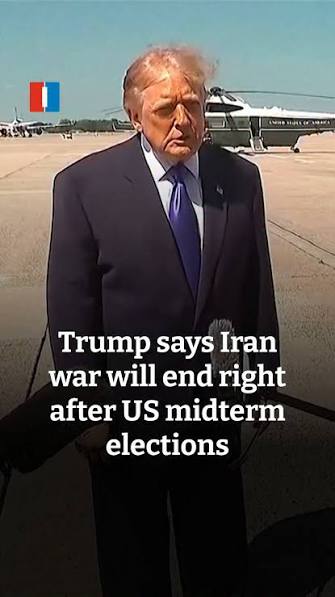
Donald Trump Says Iran War Will End After Midterms
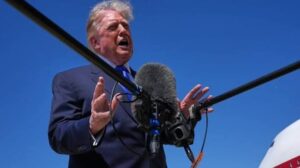
Trump made his prediction on September 9, saying the Iran war would end immediately after the November midterm elections.
The timing is significant. The U.S. midterm elections are scheduled for November 3, 2026. The elections will determine control of Congress and are already shaping the political debate surrounding the administration.
According to Reuters, Trump said Iran was trying to influence the U.S. election but suggested Tehran would eventually face enough economic pressure to end the conflict.
The president’s comments therefore connect three major issues: the Iran war, the midterm elections and oil prices.
That connection is particularly important because Americans are already dealing with higher energy costs. Oil prices have risen sharply as the conflict has disrupted supply and shipping routes.
Trump has repeatedly presented economic pressure as a central part of his strategy toward Tehran. The latest prediction suggests he believes the pressure will eventually force Iran toward an outcome that allows the conflict to wind down.
However, a prediction is not the same as a peace agreement.
At present, there is no guarantee that the war will end immediately after the election.
Why the Midterm Elections Matter
The 2026 midterms are becoming an important political test for the Trump administration.
Republicans are attempting to maintain control of Congress, while Democrats are seeking gains. Trump’s approval ratings and the cost of living have become major issues in the campaign.
At the Republican midterm convention in Dallas, Trump focused heavily on attacking Democrats and presenting the election as a choice between his administration and the opposition. Reuters reported that Republicans were facing concerns over inflation and the cost of living.
The Iran war adds another layer to the political environment.
Wars can create political pressure when military costs rise, casualties increase and consumers feel the impact through gasoline and food prices.
Trump therefore has a strong political incentive to demonstrate progress.
Ending the war after the midterms would allow the president to argue that his pressure campaign ultimately achieved its objective.
But the opposite outcome could create another problem.
If the conflict continues for years, the war could remain a major political issue throughout the rest of Trump’s term.
Oil Prices Have Become a Central Concern
The economic side of the Iran conflict is one of the biggest reasons Trump’s latest prediction is attracting attention.
Oil prices have climbed sharply as fighting has affected energy supplies and shipping routes in the Middle East.
Brent crude recently moved above $100 per barrel. The Financial Times reported that Brent reached $101.55 before settling around $101.21, with traders reacting to escalating tensions and disruptions connected to the conflict.
Higher crude prices can affect much more than gasoline.
They can increase transportation costs, raise production expenses and contribute to broader inflation.
For American households, gasoline prices are often the most visible effect.
For businesses, however, higher oil prices can influence everything from shipping to manufacturing.
That makes energy prices a major political issue heading into the midterms.
Will Oil Prices Really Crash After the War?
Trump’s argument is relatively straightforward.
If the Iran war ends, the risk premium associated with Middle Eastern oil supplies could decline. If shipping routes reopen and energy flows increase, crude prices could fall.
However, describing the result as an immediate “crash” would be stronger than what current evidence guarantees.
Oil prices depend on many factors.
These include global demand, OPEC+ production decisions, inventories, shipping insurance, sanctions, refinery capacity and geopolitical risks.
Even if the Iran conflict ends, markets would still need time to determine how quickly supplies return.
The Strait of Hormuz is especially important.
The waterway is a critical route for global energy shipments. Continued instability around the strait has contributed to concerns about supply shortages and higher prices.
The Associated Press reported that instability around the Strait of Hormuz was severely affecting Saudi oil exports and creating additional pressure on regional energy security.
Therefore, a peace agreement could push prices lower, but the size and speed of that decline would depend on what happens afterward.
Trump’s White House Strategy: Maximum Pressure
Trump’s broader Iran strategy has relied heavily on economic and military pressure.
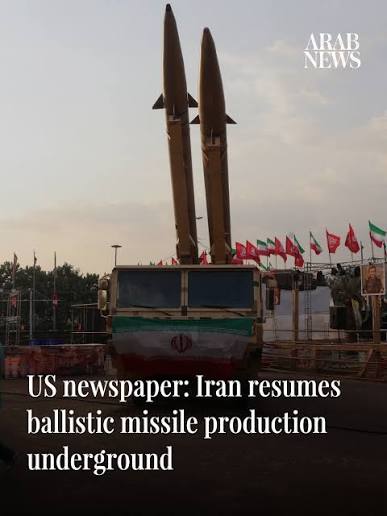
The administration has sought to weaken Iran’s ability to finance military operations while maintaining pressure on Tehran’s nuclear and missile capabilities.
The conflict has also involved significant naval activity and restrictions affecting Iranian oil exports.
The strategy is based on the idea that sustained pressure can force Iran to accept a political settlement.
Trump’s latest comments suggest he believes this approach will eventually produce results.
Yet there is a major strategic question.
How long can the United States maintain the pressure without creating an even wider regional conflict?
The longer the war continues, the greater the potential costs.
That includes military expenses, pressure on U.S. forces, risks to commercial shipping and higher energy prices.
White House Advisers Reportedly See a Longer War
Perhaps the most important development surrounding Trump’s prediction is the reported disagreement inside the administration.
The Wall Street Journal reported that senior Trump advisers have confronted the possibility that the Iran war could continue through the remainder of his presidency.
According to the report, Vice President JD Vance and Secretary of State Marco Rubio have discussed the possibility that Iran could withstand U.S. military and economic pressure for a much longer period.
This creates a significant contrast.
Trump publicly predicts an end after the midterms.
Some advisers reportedly see a conflict that could potentially last until the end of Trump’s term in January 2029.
That difference matters because it demonstrates how uncertain the situation remains.
It also suggests that the administration does not necessarily have a guaranteed timetable for ending the conflict.
Military Pressure Could Continue
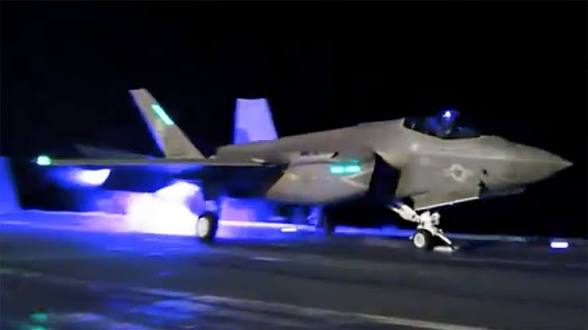
The U.S. military has maintained a substantial presence in the region.
Reports indicate that American forces have been dealing with extended deployments, missile threats and pressure around important shipping routes.
The Atlantic reported that the administration is preparing for a prolonged military engagement, including sustained naval deployments and continued pressure around the Strait of Hormuz.
That is important because military preparation does not necessarily match the president’s public prediction of a quick conclusion.
A government can simultaneously prepare for a long conflict while attempting to negotiate an earlier end.
In fact, preparing for a longer war can strengthen a negotiating position.
The message to Iran is that the United States is prepared to continue applying pressure if Tehran refuses an agreement.
Iran’s Position Remains Critical
Ultimately, Trump’s prediction depends not only on Washington.
Iran also has to accept a path toward de-escalation.
The Iranian government has continued to reject pressure from Washington and has emphasized its own security and political interests.
Iran’s ability to continue military operations is one of the main reasons U.S. officials reportedly fear a prolonged conflict.
The longer Tehran can sustain resistance, the harder it becomes for Washington to guarantee a quick conclusion.
This is why the diplomatic channel remains important.
A military conflict can end through negotiations even when neither side achieves everything it originally wanted.
However, negotiations can also fail.
That uncertainty makes the timeline for the end of the Iran war difficult to predict.
The Election Could Change the Strategy
The November midterms could influence Washington’s calculations.
If Republicans perform strongly, Trump could interpret the result as public support for his approach.
That might encourage the administration to continue applying pressure.
On the other hand, a poor Republican performance could increase pressure to reduce the economic and political costs of the conflict.
The election could therefore affect both the timing and presentation of any future agreement.
Trump’s latest prediction may also be designed to reassure voters that the conflict has an endpoint.
That message is particularly important as Americans deal with higher energy prices.
At the Republican convention in Dallas, Trump defended his Iran policy while acknowledging economic difficulties associated with the conflict.
Inflation Is Another Major Risk
Oil prices do not operate independently from the wider economy.
When crude becomes more expensive, gasoline and transportation costs can rise. Higher transportation expenses can then affect food and consumer goods.
That creates additional inflationary pressure.
Recent reporting has shown that the Iran war is already contributing to concerns about inflation in the United States. Oil above $100 per barrel creates a particularly difficult environment for policymakers.
The Federal Reserve must also consider energy-driven inflation when setting monetary policy.
If inflation remains elevated, interest rates could stay higher for longer.
That can affect mortgages, credit cards, business investment and consumer spending.
Therefore, the Iran war has consequences far beyond foreign policy.
What Would Happen If the War Ends?
If Trump’s prediction becomes reality, markets could respond quickly.
A credible ceasefire or peace agreement could reduce geopolitical risk.
Oil traders could begin pricing in improved supply conditions.
Shipping companies could also face lower risk premiums.
If the Strait of Hormuz becomes stable again, energy markets could receive another boost.
However, the market response would depend heavily on the details.
A temporary ceasefire might produce only a limited decline.
A comprehensive agreement involving Iran’s nuclear program, missile capabilities and regional military activity could have a much stronger impact.
Investors would also watch whether Iranian oil exports return to global markets.
More available crude could place significant downward pressure on prices.
Could Oil Fall Dramatically?
A major decline is possible if several conditions occur at the same time.
First, the fighting would need to stop.
Second, shipping routes would need to become secure.
Third, Iranian oil exports could return to the international market.
Fourth, other major producers would need to maintain or increase production.
Finally, global demand would need to remain relatively stable.
If all these factors align, oil could fall substantially.
But markets are unpredictable.
A new regional attack, a shipping disruption or a breakdown in negotiations could push prices higher again.
For that reason, consumers should treat predictions about a dramatic oil-price collapse cautiously.
Trump Wants to Show a Clear Endgame
Trump’s political style often emphasizes clear outcomes.
The latest Iran prediction follows that pattern.
Rather than suggesting that negotiations could continue indefinitely, the president has offered a specific political timeline.
His message is essentially that the war has a defined endpoint and that economic conditions should improve afterward.
That could help the administration argue that current sacrifices will eventually produce benefits.
Yet the biggest challenge is proving that the strategy can actually deliver those results.
The reported concerns among senior advisers show that the administration itself is preparing for multiple possible outcomes.
What Happens After the Midterms?
There are several possible scenarios.
Scenario One: A Rapid Peace Agreement
The most favorable scenario for Trump would be a deal shortly after the November election.
Such an agreement could reduce military tensions, reopen shipping routes and allow oil markets to stabilize.
This would also give Trump a political victory to present to voters.
Scenario Two: A Temporary Ceasefire
Another possibility is a temporary pause in fighting.
A ceasefire could lower oil prices without permanently resolving the conflict.
However, markets could remain nervous if the underlying dispute is unresolved.
Scenario Three: The War Continues
The most difficult scenario would be continued fighting after the midterms.
That would directly challenge Trump’s prediction.
It could also increase pressure on the White House as oil prices remain elevated.
Scenario Four: Wider Regional Escalation
There is also a more dangerous possibility.
If attacks expand to additional countries, shipping routes or energy infrastructure, oil prices could rise much higher.
Such an outcome would make Trump’s prediction of rapidly falling oil prices much harder to achieve.
The Bottom Line on Trump’s Iran War Prediction
Donald Trump’s prediction that the Iran war will end immediately after the 2026 midterm elections is one of the most significant recent statements about the conflict.
He has also linked the end of the war to lower oil prices.
However, the prediction should not be treated as a confirmed timetable.
The conflict remains active, oil prices have moved above $100 per barrel, and reports indicate that some senior White House officials are preparing for the possibility of a much longer war.
The coming weeks will therefore be crucial.
If diplomatic pressure produces an agreement, Trump could potentially point to lower energy prices and the end of hostilities as evidence that his strategy worked.
If the conflict continues, however, the administration will face increasing economic and political pressure.
For now, the central question is not simply whether Trump believes the war will end.
It is whether Iran, the United States and other regional powers can reach an agreement capable of ending the fighting and restoring stability to global energy markets.
The November midterms may become an important political milestone, but the actual end of the Iran war will ultimately depend on events on the ground, diplomatic negotiations and decisions made in Tehran and Washington.
Frequently Asked Questions
1. What did Donald Trump predict about the Iran war?
Donald Trump said the Iran war would end immediately after the U.S. midterm elections in November 2026. Reuters reported his comments on September 9.
2. When are the 2026 U.S. midterm elections?
The 2026 U.S. midterm elections are scheduled for November 3, 2026.
3. Why are oil prices rising?
Oil prices have risen because the Iran conflict has disrupted energy supplies and increased risks around important Middle Eastern shipping routes, including the Strait of Hormuz. Brent crude recently moved above $100 per barrel.
4. Will oil prices crash when the Iran war ends?
Oil prices could fall if the conflict ends and energy shipments return to normal. However, the size and speed of any decline cannot be guaranteed because oil prices depend on global supply, demand, production decisions and geopolitical risks.
5. Do White House officials agree that the war will end after the midterms?
Not necessarily. A Wall Street Journal report cited concerns among senior advisers that the conflict could continue for much longer, potentially through the remainder of Trump’s presidency.
6. Why is the Strait of Hormuz important?
The Strait of Hormuz is a critical route for international energy shipments. Disruption there can reduce oil flows and increase prices in global markets.
7. Could the Iran war affect U.S. inflation?
Yes. Higher oil prices can increase gasoline, transportation and production costs, potentially adding to inflationary pressure.
8. What is Trump’s broader Iran strategy?
Trump’s approach has centered on military and economic pressure designed to weaken Iran’s capabilities and push Tehran toward a favorable agreement.
9. Could the Iran war continue after the 2026 midterms?
Yes. Trump’s prediction is not a guaranteed deadline. Continued Iranian resistance, failed negotiations or further regional escalation could prolong the conflict.
10. What should investors watch next?
Investors will closely watch developments around the Strait of Hormuz, Iranian oil exports, U.S. military operations, diplomatic negotiations and the November midterm elections.
About the Author