Pearl Harbor : surprise attack, US military warning, national security fear
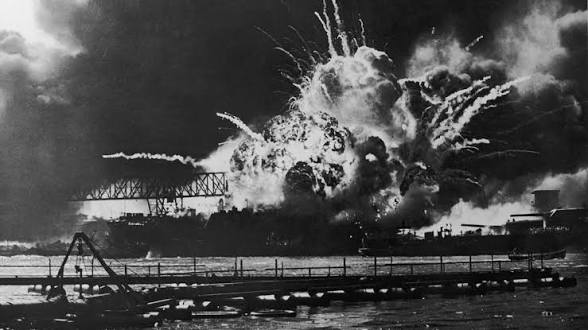
On December 7, 1941, the United States experienced one of the most devastating moments in its history—the Pearl Harbor attack. What made this event so shocking was not just the destruction but the element of complete surprise. Despite rising tensions with Japan, the attack exposed serious weaknesses in intelligence, preparedness, and national security systems.
This historic event continues to shape how governments handle threats today. From intelligence coordination to early warning systems, Pearl Harbor remains a defining lesson in national defense.
What Happened at Pearl Harbor?
The attack on Pearl Harbor was a coordinated military strike by the Imperial Japanese Navy against the US naval base in Hawaii.
The assault began early morning on December 7, 1941
Over 350 Japanese aircraft attacked in two waves
Battleships, airfields, and military installations were targeted
More than 2,400 Americans were killed
Within just a couple of hours, the United States Pacific Fleet suffered massive losses. The attack pushed the US into World War II, changing global history forever.
Why Was the Attack a Surprise?
The most debated question is: How could such a massive attack go unnoticed?
The answer lies in a combination of intelligence gaps, misinterpretation, and human error.
Historians describe Pearl Harbor as an attack that was “presaged by a mass of signals” but still achieved complete surprise .
Key Reasons for the Surprise
1. Misreading Intelligence Signals
US intelligence had intercepted communications suggesting rising tensions, but:
Analysts expected attacks in Southeast Asia, not Hawaii
Signals were vague and lacked clear targets
2. Failure to Connect the Dots
There were multiple warning signs, but agencies failed to combine them into a clear threat.
Information was scattered across departments
Lack of coordination caused delays
3. Underestimating Japan
American leaders did not believe Japan would launch such a bold and distant attack.
Were There Warning Signs Before the Attack?
Yes—there were warnings, but they were either ignored or misunderstood.
Missed Tactical Warnings
On the morning of the attack:
Radar detected incoming aircraft
The signal was mistaken for friendly planes
Delayed Communication
A critical message indicating war was imminent reached Washington—but:
It was decoded late
It arrived in Hawaii after the attack had already begun
Strategic Warnings
Even before December 7:
Intelligence reports hinted at possible Japanese aggression
Some officials warned of vulnerability to surprise attacks
However, these warnings lacked urgency and clarity.
US Military and Intelligence Failures
Pearl Harbor exposed major flaws in US defense systems.
1. Lack of Coordination
Different agencies worked in isolation:
Army, Navy, and intelligence units did not share information effectively
Critical insights were lost in bureaucracy
2. Communication Breakdown
Important alerts were delayed or misrouted, reducing response time.
3. Psychological Bias
Some experts argue leaders were in denial about the possibility of an attack, leading to complacency .
The Debate: Did the US Have Prior Knowledge?
Over the years, conspiracy theories have suggested that US leaders knew about the attack in advance.
However:
Most historians reject these claims
There is no solid evidence that the government deliberately allowed the attack
Instead, the consensus is clear:
The attack succeeded due to intelligence failures, not intentional neglect.
Impact on US National Security
The Pearl Harbor attack transformed how the United States approaches national security.
1. Creation of Advanced Intelligence Systems
After the attack, the US invested heavily in:
Intelligence coordination
Surveillance systems
Cryptography and code-breaking
2. Formation of Modern Defense Structures
Organizations like the CIA and National Security Council were later developed to prevent similar failures.
3. Shift to Proactive Defense
The US moved from a reactive approach to a preventive security strategy.
Lessons Learned from Pearl Harbor
Pearl Harbor remains one of the most studied intelligence failures in history.
Lesson 1: Early Warnings Must Be Acted Upon
Even incomplete information can signal danger.
Lesson 2: Communication Is Critical
Timely sharing of intelligence can prevent disaster.
Lesson 3: Never Underestimate the Enemy
Assumptions about an adversary’s capabilities can be dangerous.
Lesson 4: Preparedness Saves Lives
Military readiness is essential—even during peacetime.
Pearl Harbor and Modern National Security
The lessons of Pearl Harbor are still relevant today.
Modern threats include:
Cyber warfare
Terrorism
Missile attacks
Governments now rely on:
Real-time intelligence
Global surveillance networks
Rapid-response military systems
The idea of a “surprise attack” remains a major concern in national security planning.
Why Pearl Harbor Still Matters Today
Pearl Harbor is more than just a historical event—it is a warning for future generations.
It reminds us that:
Even powerful nations can be vulnerable
Intelligence failures can have massive consequences
National security requires constant vigilance
The phrase “a date which will live in infamy” still echoes as a reminder of the cost of unpreparedness.
Conclusion
The Pearl Harbor attack stands as one of the most significant events in modern history. It was not just a military defeat—it was a wake-up call.
Despite warning signs, the United States was caught off guard due to intelligence failures, miscommunication, and underestimation of the enemy.
Today, the legacy of Pearl Harbor continues to influence global security strategies. Its lessons serve as a foundation for modern defense systems, ensuring that such a surprise attack is never repeated.
FAQs
1. Why was Pearl Harbor attacked?
Japan attacked Pearl Harbor to weaken the US Pacific Fleet and prevent interference in its expansion across Asia.
2. Did the US know about the Pearl Harbor attack beforehand?
There were warning signs, but no clear evidence shows the US had full prior knowledge. Most failures were due to miscommunication and intelligence gaps.
3. How many people died in the Pearl Harbor attack?
Over 2,400 Americans were killed, and thousands more were injured.
4. What were the main intelligence failures?
Failures included poor coordination, delayed communication, and misinterpretation of warning signals.
5. How did Pearl Harbor change US national security?
It led to improved intelligence systems, stronger military preparedness, and the creation of modern security agencies.
6. What lessons does Pearl Harbor teach today?
It highlights the importance of vigilance, intelligence sharing, and preparedness against surprise attacks.
7. Could the attack have been prevented?
Possibly, if warning signals had been properly interpreted and acted upon in time.
How useful was this post?
Click on a star to rate it!
Average rating 0 / 5. Vote count: 0
No votes so far! Be the first to rate this post.
About the Author

usa5911.com
Administrator
Hi, I’m Gurdeep Singh, a professional content writer from India with over 3 years of experience in the field. I specialize in covering U.S. politics, delivering timely and engaging content tailored specifically for an American audience. Along with my dedicated team, we track and report on all the latest political trends, news, and in-depth analysis shaping the United States today. Our goal is to provide clear, factual, and compelling content that keeps readers informed and engaged with the ever-changing political landscape.