DOJ Subpoenas: Wall Street Journal Probe, Media Pressure, America Reacts
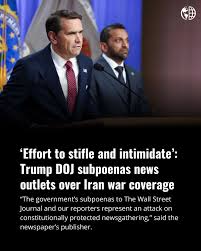
The growing controversy surrounding DOJ subpoenas and investigations connected to media organizations has sparked a national debate in the United States. Discussions involving the Department of Justice, press freedom, federal investigations, and political pressure are once again dominating headlines. The latest attention surrounding reports tied to a Wall Street Journal probe has intensified concerns over how government agencies interact with major news organizations.
Across social media, political circles, and journalism communities, Americans are debating whether recent legal actions reflect legitimate law enforcement efforts or increased pressure on independent reporting. The conversation has expanded far beyond one newspaper or one investigation. It now touches on constitutional protections, public trust in institutions, political influence, and the future of investigative journalism in America.
The Department of Justice remains one of the most powerful federal agencies in the country, responsible for enforcing federal law and overseeing criminal investigations. United States Department of Justice The Wall Street Journal, meanwhile, remains one of the nation’s most influential newspapers in business and political reporting. The Wall Street Journal
Recent reports discussing subpoenas, investigations, and legal scrutiny have fueled widespread reactions from lawmakers, journalists, legal analysts, and the public.
Why DOJ Subpoenas Are Generating So Much Attention
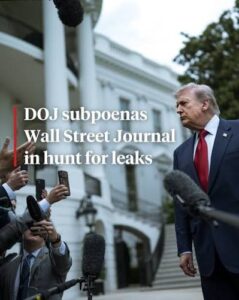
Subpoenas are legal tools used by investigators to demand testimony, records, or evidence. In many cases, subpoenas are routine parts of investigations. However, when they involve journalists, media organizations, or politically sensitive subjects, they often trigger national concern.
Critics argue that aggressive subpoena tactics may discourage investigative reporting or intimidate sources from speaking with journalists. Supporters of strong enforcement argue that no institution, including the media, should be exempt from legal scrutiny when federal investigations are underway.
The debate becomes even more intense when high-profile media outlets become connected to federal probes. Americans increasingly view these developments through political and ideological lenses, which deepens national divisions.
Legal experts note that tensions between government investigators and journalists are not new. Throughout American history, administrations from both political parties have faced accusations of press intimidation or excessive secrecy. Yet modern political polarization and nonstop digital media coverage have amplified every new controversy.
The Wall Street Journal’s Role in National Media Coverage
The Wall Street Journal has long played a major role in shaping political and financial conversations in the United States. Known for investigative reporting, financial journalism, and political analysis, the publication often breaks stories that influence markets, elections, and public opinion.
Because of its influence, any report involving federal scrutiny, subpoenas, or legal disputes connected to the publication quickly becomes national news.
Recent reporting connected to DOJ investigative activity and subpoena discussions has intensified public attention toward media-government relationships.
Some analysts argue that these developments reveal broader institutional conflicts inside Washington. Others believe the growing scrutiny reflects a changing legal environment where federal agencies are taking more aggressive investigative approaches.
Regardless of perspective, the issue has become symbolic of larger concerns about transparency, accountability, and media independence.
Press Freedom Concerns Continue to Grow
The United States has historically promoted freedom of the press as a foundational democratic principle. Journalists rely on confidential sources, investigative access, and legal protections to uncover information that governments or corporations may prefer to keep hidden.
When subpoenas intersect with journalism, press freedom advocates often raise alarms.
Organizations defending media rights argue that aggressive investigative actions could discourage whistleblowers from speaking to reporters. They also warn that government pressure could create a chilling effect across the journalism industry.
Supporters of stronger federal enforcement counter that press freedom does not place reporters above the law. They argue that national security concerns, criminal investigations, and public accountability sometimes require legal intervention.
This tension has become one of the defining debates in modern American politics.
Political Reactions Across America
Political leaders across the ideological spectrum have reacted strongly to reports involving DOJ investigations and subpoena controversies.
Some Republican lawmakers have accused federal agencies of selective enforcement or political targeting. Certain Democratic lawmakers, meanwhile, have expressed concern about institutional independence and legal overreach.
The controversy has also reignited debates over whether federal agencies are becoming too politicized. Critics argue that trust in federal institutions has weakened significantly in recent years.
Recent reporting involving federal investigations connected to powerful institutions has increased scrutiny on the independence of federal agencies.
Public trust remains deeply divided depending on political affiliation, media consumption habits, and perceptions of government accountability.
Media Pressure in the Digital Age
The modern media environment has transformed how investigations and subpoenas are discussed publicly.
In previous decades, legal disputes involving newspapers or journalists might unfold quietly through court filings and limited news coverage. Today, every development spreads instantly through social media platforms, podcasts, livestreams, and political commentary channels.
This creates intense pressure on journalists, government officials, and public institutions alike.
Online reactions to DOJ-related investigations often become highly emotional and politically charged within hours. Viral debates, trending hashtags, and nonstop commentary can shape public perception long before official findings emerge.
As a result, federal investigations involving media organizations now carry enormous political and cultural consequences.
The DOJ’s Position on Independence and Enforcement
United States Department of Justice publicly emphasizes independence, impartiality, and adherence to federal law. According to official DOJ materials, the department’s mission centers on enforcing the rule of law while protecting public trust.
However, critics from both political parties have repeatedly questioned whether the department operates independently from political influence.
Recent controversies involving investigations, subpoenas, and politically sensitive cases have intensified those concerns. Reports involving federal investigative actions connected to high-profile figures and institutions have sparked accusations of both political interference and selective enforcement.
Supporters of the DOJ argue that politically controversial investigations are unavoidable in a polarized society. They maintain that federal prosecutors must pursue evidence regardless of political consequences.
Opponents counter that public confidence suffers whenever investigations appear connected to political battles or media narratives.
Historical Tensions Between Government and the Press
Conflicts between federal authorities and journalists have existed throughout American history.
From the Pentagon Papers era to post-9/11 surveillance debates, administrations have frequently clashed with reporters over leaks, confidential sources, and classified information.
These conflicts usually center on a difficult question: How can governments protect national security and enforce the law while preserving constitutional protections for journalism?
Modern technology has made this issue even more complicated.
Digital communications, encrypted messaging apps, cloud storage, and global information networks have transformed how reporters gather information. Federal investigators now operate in a world where sensitive information can spread globally within seconds.
As investigative tools become more advanced, concerns about privacy, surveillance, and press protections continue to grow.
America Reacts to the Growing Controversy
Public reaction to the latest DOJ subpoena discussions reflects broader national frustration with politics and institutions.
Some Americans believe aggressive investigations are necessary to maintain accountability and enforce the law equally. Others worry that increased federal pressure on journalists could weaken democratic safeguards.
Social media platforms have amplified both viewpoints.
Many users describe the controversy as evidence of increasing government overreach. Others argue that powerful media organizations should face scrutiny like any other institution.
The result is another deeply polarizing national debate where Americans interpret the same developments in completely different ways.
Financial Markets and Business Concerns
Because The Wall Street Journal is closely connected to financial reporting and business journalism, developments involving investigations or legal pressure can also influence investor sentiment.
Business leaders often watch federal investigations carefully because institutional uncertainty can affect markets, investor confidence, and economic expectations.
Recent reports involving investigations tied to major institutions have already generated concern among financial observers about institutional independence and economic stability.
Some analysts believe continued political conflict surrounding federal agencies may increase uncertainty in financial markets, especially if investigations appear politically motivated.
Others argue that strong enforcement and transparency ultimately strengthen institutional credibility over time.
Journalism Under Increased Scrutiny
The journalism industry itself is facing enormous pressure from multiple directions.
Traditional newspapers continue to confront declining advertising revenue, changing audience habits, and increasing political hostility. At the same time, misinformation concerns and digital competition have transformed the media landscape.
Legal controversies involving subpoenas or federal investigations add another layer of pressure.
Journalists now operate in an environment where public trust in media remains historically low. Every major controversy risks further damaging confidence among readers and viewers.
Despite these challenges, investigative journalism continues to play a central role in exposing corruption, analyzing policy, and informing the public.
Constitutional Questions Remain Central
The controversy surrounding DOJ subpoenas and media investigations ultimately returns to constitutional questions.
The First Amendment protects freedom of speech and freedom of the press. Yet federal authorities also possess legal powers to investigate crimes and enforce federal law.
Balancing these principles has never been simple.
Courts often play a critical role in determining where legal boundaries exist. Judges may decide whether subpoenas are justified, whether protections for journalists apply, and whether investigative actions violate constitutional rights.
Legal experts expect debates surrounding press protections and federal investigative authority to remain active for years to come.
What Happens Next?
The future of DOJ-related media investigations remains uncertain.
Potential court battles, congressional scrutiny, political investigations, and public pressure could all shape future developments. Much will depend on how federal authorities proceed, how courts respond, and how media organizations defend their reporting practices.
For now, the controversy reflects broader tensions across American society involving politics, trust, media influence, and institutional power.
The conversation surrounding DOJ subpoenas and media pressure is unlikely to disappear anytime soon.
As new developments emerge, Americans will continue debating whether federal investigations represent accountability, political conflict, institutional pressure, or some combination of all three.
Conclusion
The debate surrounding DOJ subpoenas, media scrutiny, and reports connected to a Wall Street Journal probe highlights the growing tension between federal authority and press freedom in America.
For supporters of aggressive investigations, the issue is about accountability and equal enforcement of the law. For critics, the controversy raises concerns about government pressure, institutional independence, and constitutional protections.
The national reaction demonstrates how deeply divided Americans remain over politics, media credibility, and federal power.
Regardless of political perspective, the controversy has become another defining example of how legal investigations, journalism, and public opinion increasingly collide in modern America.
FAQs
What are DOJ subpoenas?
DOJ subpoenas are legal orders issued by the Department of Justice requiring testimony, documents, or evidence as part of an investigation.
Why is the Wall Street Journal involved in recent discussions?
Recent reports and investigations connected to media scrutiny and federal investigative activity have brought attention to The Wall Street Journal and broader debates about press freedom.
Why are journalists concerned about subpoenas?
Many journalists worry that subpoenas involving reporters or media organizations could discourage confidential sources and weaken investigative reporting protections.
Does the DOJ say it operates independently?
Yes. United States Department of Justice publicly states that it works independently to enforce federal law and uphold justice.
Why is this issue politically controversial?
The controversy touches on press freedom, government authority, political influence, and public trust in institutions, all of which are highly divisive topics in modern America.
Could this affect press freedom in the future?
Legal experts believe ongoing debates about subpoenas and investigative authority may shape future interpretations of First Amendment protections and journalism rights.
How useful was this post?
Click on a star to rate it!
Average rating 0 / 5. Vote count: 0
No votes so far! Be the first to rate this post.
About the Author

usa5911.com
Administrator
Hi, I’m Gurdeep Singh, a professional content writer from India with over 3 years of experience in the field. I specialize in covering U.S. politics, delivering timely and engaging content tailored specifically for an American audience. Along with my dedicated team, we track and report on all the latest political trends, news, and in-depth analysis shaping the United States today. Our goal is to provide clear, factual, and compelling content that keeps readers informed and engaged with the ever-changing political landscape.