HMS Duncan: NATO patrol, missile shield, naval power move
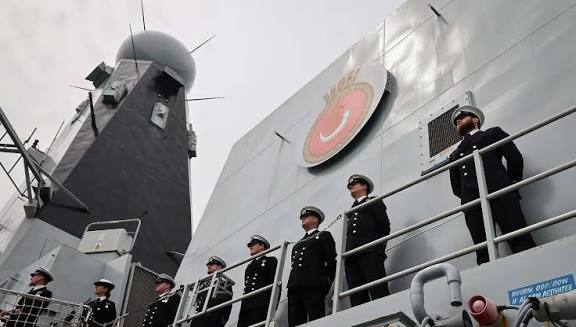
In a world of shifting geopolitical tensions, modern naval power remains a cornerstone of national defence and alliance security. One vessel that exemplifies this principle is HMS Duncan — a Royal Navy Type 45 destroyer that has become central to NATO patrols, missile defence capabilities, and the broader projection of British naval strength. From shadowing foreign warships in the English Channel to shielding merchant shipping in dangerous waters, HMS Duncan represents a blend of technological sophistication and strategic importance that few warships can match.
Introduction: The Modern Face of Naval Power
The seas have always been vital corridors of commerce and conflict. In an era marked by multi-domain threats — including advanced missiles, drone swarms, and resurgent state rivals — navies must adapt. The Royal Navy’s HMS Duncan stands at the forefront of this adaptation. Designed to tackle complex air and missile threats, this Type 45 destroyer has repeatedly proven its worth in NATO operations, maritime security missions, and strategic deterrence roles.
At a time when global tensions are on the rise — from Northern Europe to the Mediterranean and beyond — Duncan’s deployments offer a window into how modern navies contribute both to alliance objectives and national defence.
What is HMS Duncan? A Profile of the Type 45
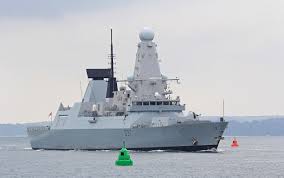
Commissioned in late 2013, HMS Duncan (D37) is the sixth and final ship of the Royal Navy’s Type 45 (Daring-class) air-defence destroyers. Built with cutting-edge sensors and weapon systems, Duncan was designed to provide comprehensive protection against air and missile threats — from hostile aircraft and ballistic missiles to fast-moving cruise missiles.
Key Characteristics
Class: Type 45 Destroyer
Commissioned: 30 December 2013
Primary Role: Air and missile defence, fleet protection, NATO patrols
Weapon Systems: Sea Viper anti-air missile system, advanced radar arrays
Crew: ~190 personnel (plus air detachment)
Speed: 30+ knots
Range: Over 7,000 nautical miles at cruising speed
These capabilities make Duncan one of the most advanced destroyers in the Royal Navy arsenal — a true naval sentinel capable of detecting and engaging threats at long range while operating far from home waters.
HMS Duncan in NATO Operations
Historic NATO Patrols
HMS Duncan has a growing legacy within NATO maritime forces. In October 2025, she was tasked under NATO’s Allied Maritime Command to shadow the Russian destroyer Vice Admiral Kulakov as it transited from the North Sea into the English Channel — marking the first time a Royal Navy surface combatant was directly commanded by NATO in UK waters for such an operation. The mission lasted more than 48 hours and involved close coordination with Dutch and French naval units and helicopter support.
This action underscored two critical points:
Shared maritime security responsibilities within NATO, and
Duncan’s ability to contribute meaningfully to alliance surveillance and deterrence.
These NATO duties are not ceremonial — they form a bulwark against potential aggression while reassuring allies of collective readiness and interoperability.
Standing Maritime Groups (SNMG)
Beyond isolated missions, Duncan has served across NATO’s permanent maritime task forces. She’s operated with Standing NATO Maritime Group 1 (SNMG1) — patrolling northern European waters — as well as earlier service with SNMG2 in the Mediterranean. In both capacities, the destroyer has helped demonstrate the alliance’s presence in key sea lanes and geopolitical flashpoints.
Missile Shield: Air and Missile Defence Capabilities
At the heart of Duncan’s significance is its air and missile defence profile. Unlike older warships designed primarily for gun combat, Type 45 destroyers are built for the 21st century threat environment — where missiles and drones outpace traditional threats.
Sea Viper Missile System
Duncan’s primary defensive armament is the Sea Viper missile system — a highly advanced surface-to-air weapon integrated with multiple radar suites. This system can:
Detect and track hundreds of aerial targets simultaneously.
Engage multiple incoming threats while maintaining defence against new ones.
Provide long-range protective coverage over task groups and strategic assets.
This layered missile capability allows Duncan not just to defend itself, but also to act as a shield for other vessels, including aircraft carriers, amphibious forces, and civilian shipping.
Exercises and Trials
Even outside frontline operations, Duncan participates in rigorous drills designed to hone her air defence response. In late February 2026, the ship completed Exercise Sharpshooter off the Welsh coast — a simulated defence against coordinated air, drone, and missile swarms. This shows how air defence is being refined for the evolving threat landscape, and how Duncan’s systems are being adapted for various tactical scenarios.
Beyond NATO: Global Deployments and Strategic Missions
Protecting International Shipping
Duncan’s mission set extends beyond alliance confines. In 2024, she sailed into the Red Sea to relieve sister ship HMS Diamond and protect vulnerable shipping lanes affected by Houthi attacks. For months, merchant vessels faced drones and missiles launched from Yemen’s coast, threatening global trade and supply routes. Duncan’s deployment helped ensure maritime security and freedom of navigation in these critical waters.
Mediterranean and Eastern Operations
The destroyer has also operated alongside US naval groups in the Eastern Mediterranean, providing air defence cover to American task forces engaged in security missions. Recent postings saw Duncan escorting amphibious readiness groups — further highlighting her utility as a protective shield in volatile regions.
Strategic Significance: A Naval Power Move
The deployment choices for HMS Duncan reflect more than tactical missions — they reveal strategic intent.
Alliance Assurance
By integrating Duncan into NATO operations and multinational task groups, the Royal Navy reinforces:
Collective defence commitments to Europe and beyond.
Interoperability across allied navies.
Maritime domain awareness in contested regions.
For NATO, capable air-defence destroyers like Duncan are essential in countering both Russian naval assertiveness and hybrid warfare tactics.
Deterrence and Diplomacy
A warship’s presence sends a message. The dispatch of Duncan — or even the consideration of her deployment — to crisis zones (e.g., Cyprus amid regional instability) signals political resolve and deterrence. Even her ability to respond rapidly (traveling at speeds well over 30 knots) adds strategic weight to UK foreign policy options.
Technological Edge
The capabilities aboard Duncan — from integrated radar networks to missile tracking computers — place her among the world’s most advanced destroyers. This technological edge ensures she can adapt to:
Emerging aerial threats (cruise missiles, drones).
High-tempo operations in congested sea lanes.
Multinational command and control environments.
Challenges and Future Outlook
While Duncan and her sister Type 45s are formidable, challenges remain.
Evolving Threats
Modern missiles and hypersonic threats continue to push defensive technology forward. Navies must stay ahead of these with upgraded systems and next-generation weapons.
Force Availability
Deploying high-value warships across multiple global theatres tests maintenance schedules and crew readiness — a familiar tension for navies balancing homeland defence with expeditionary missions.
Political Will
Decisions about dispatching ships like Duncan involve complex political calculus — weighing regional tensions, alliance obligations, and defence budgets.
Conclusion: A Vessel of Strategic Impact
From shadowing Russian warships in the English Channel under NATO command to advancing freedom of navigation in the Red Sea, HMS Duncan is more than a ship — she is a symbol of modern naval power and alliance strength.
Her blend of advanced missile defence, interoperability with NATO forces, and global reach underscores Britain’s continued naval relevance in the 21st century. As geopolitical fault lines shift and maritime competition intensifies, assets like Duncan will only grow in importance — safeguarding trade, deterring conflict, and projecting stability across the world’s oceans.
Frequently Asked Questions (FAQs)
1. What type of warship is HMS Duncan?
HMS Duncan is a Type 45 (Daring-class) air-defence destroyer in the Royal Navy, designed to provide long-range air and missile defence for naval task forces.
2. What role does HMS Duncan play in NATO?
Duncan has served with NATO’s Standing Maritime Groups (SNMG1 and SNMG2) and has been directly tasked by NATO to patrol and shadow foreign warships, enhancing alliance maritime security and interoperability.
3. Can HMS Duncan shoot down missiles?
Yes — Duncan’s Sea Viper missile system allows her to detect and engage aerial threats, including fast-moving missiles and aircraft, making her a key defensive asset in modern naval warfare.
4. Where has HMS Duncan been deployed?
She has been deployed across global theatres, including the English Channel, Mediterranean Sea, Eastern Mediterranean, and the Red Sea, protecting shipping lanes and supporting allied operations.
5. Why is HMS Duncan important for global security?
HMS Duncan enhances collective defence within NATO, deters potential adversaries, and protects crucial maritime routes — all of which contribute to international stability and secure global trade.
How useful was this post?
Click on a star to rate it!
Average rating 0 / 5. Vote count: 0
No votes so far! Be the first to rate this post.
About the Author

usa5911.com
Administrator
Hi, I’m Gurdeep Singh, a professional content writer from India with over 3 years of experience in the field. I specialize in covering U.S. politics, delivering timely and engaging content tailored specifically for an American audience. Along with my dedicated team, we track and report on all the latest political trends, news, and in-depth analysis shaping the United States today. Our goal is to provide clear, factual, and compelling content that keeps readers informed and engaged with the ever-changing political landscape.