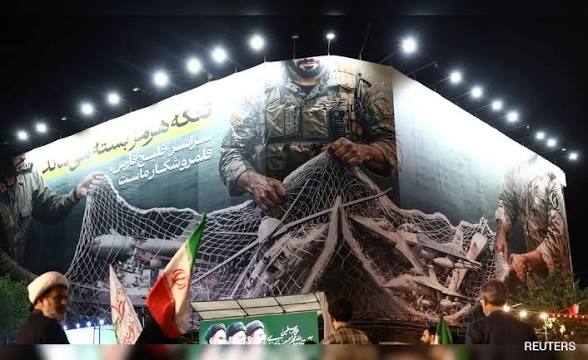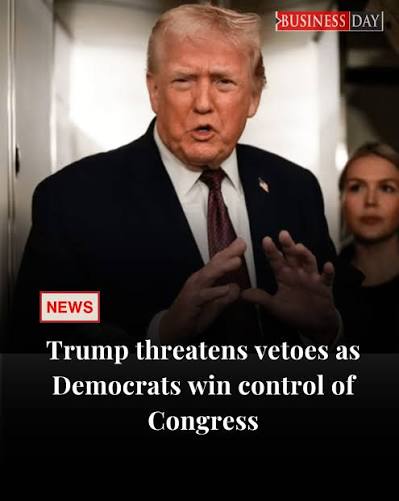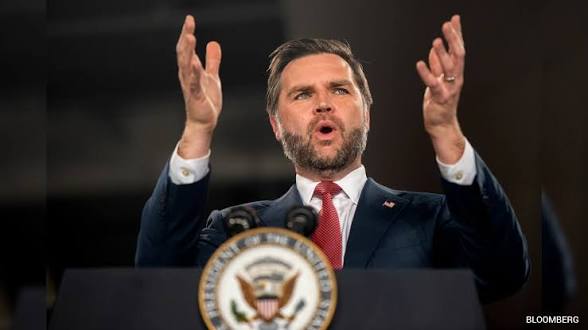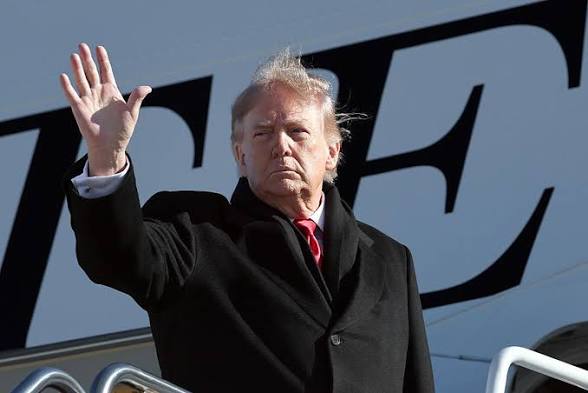
The Trump Iran war is entering another uncertain phase as President Donald Trump defends American military operations against Iran while tensions continue to rise across the Middle East. Despite previous suggestions that the conflict was approaching an end, recent military activity and increasingly difficult diplomatic negotiations have raised concerns about another major escalation.
Trump has maintained that the United States will not accept an agreement that allows Iran to develop nuclear weapons or maintain military capabilities that threaten American interests and regional security. His latest remarks also suggest that Washington is unwilling to compromise simply to achieve a quick diplomatic settlement.
The situation has become increasingly complicated. Iran continues to resist American pressure, regional governments are attempting to prevent another full-scale conflict, and US military forces remain active in the region.
At the same time, the White House faces growing questions about the long-term objectives of the war, its financial costs, and the risks to American personnel.
Although Trump has recently indicated that he is not rushing into another major military decision, the possibility of additional strikes remains on the table.
Trump Defends US Military Strikes Against Iran
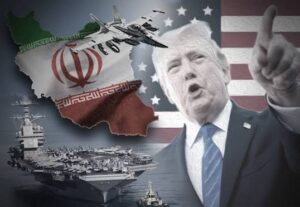
President Donald Trump continues to defend the American military campaign against Iran, arguing that Washington must prevent Tehran from obtaining nuclear weapons and rebuilding capabilities that could threaten the United States and its allies.
His administration has repeatedly presented military pressure as an important part of its strategy.
Trump has also insisted that any agreement with Iran must deliver meaningful security guarantees. Speaking at the White House on November 20, he said Iran wanted an agreement but had not presented terms that he considered acceptable.
The president also repeated his position that Iran would never be allowed to obtain a nuclear weapon.
AP News+1
These comments highlight the central disagreement between Washington and Tehran.
The United States wants restrictions that prevent Iran from rebuilding its nuclear and military capabilities. Iran, meanwhile, wants relief from economic pressure and an end to American military operations and restrictions affecting its economy.
Trump’s position suggests that the administration believes continued pressure gives Washington greater negotiating leverage.
However, critics question whether military action can produce a lasting political agreement.
Destroying military facilities may weaken Iran’s immediate capabilities, but it does not automatically resolve disagreements over nuclear development, regional influence, sanctions, and national security.
Why the Iran War Is Escalating Again
The conflict began in February 2026, when the United States and Israel launched a major military campaign against Iran.
The fighting quickly expanded beyond the initial targets. Iranian retaliation affected several parts of the Middle East, while threats to commercial shipping created serious concerns about international trade and energy supplies.
An April ceasefire temporarily reduced hostilities. The two sides later signed a June memorandum of understanding intended to support a broader settlement.
However, that agreement collapsed after fighting resumed, and the situation remained unstable.
Every CRS Report
By November, the conflict had entered another dangerous phase.
American forces continued limited military operations, while Iran maintained its opposition to Washington’s demands.
On November 4, Trump confirmed that American forces had carried out strikes against an Iranian anti-aircraft facility on Qeshm Island.
He described the operation as a limited military action. Iranian officials, however, warned that Tehran retained the right to defend itself against further attacks.
AFP
The November strikes demonstrated that the conflict had not fully ended, despite earlier statements suggesting that major military operations were largely over.
The latest developments have therefore raised questions about whether the region is moving toward another round of fighting or whether diplomatic pressure can prevent further escalation.
Trump Signals Caution Over Another Major Attack
Despite defending previous military operations, Trump has recently shown some hesitation about launching another large-scale attack against Iran.
On November 19, the president indicated that he was not rushing into a decision about additional military action. Speaking to Reuters, he suggested that the administration could wait until the beginning of 2027 before making its next major decision.
Trump’s comments followed weeks of uncertainty about whether Washington would resume a broader bombing campaign.
He has alternated between threatening further attacks and suggesting that the conflict could be brought to an end through negotiations.
According to Reuters, Trump has also told advisers that he may hold off on additional attacks if Iran and Iran-backed groups do not carry out new provocations.
StreetInsider.com+1
This changing position reflects the difficult choices facing the administration.
Another major attack could weaken Iranian military capabilities. However, it could also trigger retaliation against American bases, regional allies, commercial shipping, and energy infrastructure.
Waiting, meanwhile, gives diplomatic efforts more time to develop.
It also allows the administration to maintain economic and military pressure without immediately accepting the risks of another major operation.
For now, Trump’s approach appears to combine military readiness with continued diplomatic pressure.
Iran Rejects American Pressure as Tensions Rise
Iran has shown little willingness to accept Washington’s demands without significant concessions.
Tehran argues that its security interests must be considered and that American military operations cannot continue indefinitely without consequences.
Iranian officials have also maintained that the country has the right to defend itself against attacks.
The disagreement extends beyond nuclear weapons.
Iran wants the United States to address several issues before a broader agreement can become possible. These include sanctions, restrictions on Iranian ports, frozen assets, compensation for war damage, and the continuation of military operations across the region.
The American naval blockade has become another major obstacle.
Washington views economic restrictions as an important way to pressure Tehran. Iran, however, sees these measures as unacceptable interference with its economy and sovereignty.
The two sides therefore remain divided over what a realistic peace agreement should include.
Trump has suggested that Iran wants a deal but has not offered acceptable terms. Tehran’s position indicates that it does not intend to make major concessions without receiving meaningful guarantees in return.
This disagreement creates a difficult diplomatic environment.
Even if both governments want to avoid another major war, reaching an agreement could prove challenging because their expectations remain significantly different.
AP News+1
US Strikes on Qeshm Island Raise Regional Concerns
One of the important developments in the latest phase of the conflict involved American strikes on Qeshm Island.
The island is located in the Strait of Hormuz, one of the world’s most important waterways for international energy shipments.
Trump confirmed that American forces had targeted an Iranian anti-aircraft installation in early November.
He described the operation as minor and said the military had quickly destroyed the facility.
The location of the strike attracted particular attention because of the strategic importance of the Strait of Hormuz.
A significant portion of internationally traded oil and other energy products passes through this waterway.
Any disruption could affect shipping costs, insurance premiums, fuel prices, and international energy markets.
Iran’s military position around the strait has also become a major concern for Washington and its regional partners.
The conflict has already demonstrated how quickly military tensions can affect commercial shipping.
If fighting expands, vessels operating near Iranian waters could face additional risks.
This could create economic consequences far beyond the Middle East.
Energy-importing countries, including major Asian economies, would be particularly vulnerable to prolonged disruption.
For the Trump administration, protecting shipping routes is therefore an important part of its broader regional strategy.
AFP+1
Iran’s Attacks on Gulf Countries Increase Security Fears
The conflict has also created serious security concerns for Gulf countries hosting American military facilities.
Recent Iranian attacks have reportedly targeted US facilities in Kuwait and Bahrain following American military action against an Iranian missile site.
These developments demonstrate that the confrontation is no longer limited to American and Iranian territory.
Gulf governments face a difficult situation.
Many maintain security partnerships with Washington, but they also have strong economic reasons to avoid a prolonged regional war.
Their airports, energy facilities, ports, and commercial infrastructure could become vulnerable if the conflict expands.
The possibility of attacks on oil and gas infrastructure is particularly concerning.
Even limited damage to major energy facilities could create uncertainty in international markets.
Higher oil prices could affect transportation, manufacturing, electricity generation, and household expenses.
Regional governments are consequently interested in preventing another major military confrontation.
According to the Associated Press, Gulf Arab states have been exploring a possible partial arrangement involving the reopening of shipping through the Strait of Hormuz in exchange for limited sanctions relief and broader negotiations.
Such an arrangement could provide an opportunity to reduce tensions without immediately resolving every disagreement between Washington and Tehran.
AP News
US Military Denies Iranian Claims About F-16 Fighter Jet
Military developments have also produced competing claims from Washington and Tehran.
On November 21, US Central Command rejected Iranian state media reports that Iranian air defenses had struck an American F-16 fighter jet over the Gulf.
Iranian reports claimed that the aircraft had been damaged and forced to make an emergency landing.
However, CENTCOM said Iran had not attacked a US F-16 and stated that American fighter jets operating in the Middle East were safe and accounted for.
The disagreement highlights another challenge in the conflict: verifying military claims during periods of heightened tension.
Both sides have strong incentives to present events in ways that support their political and military objectives.
Claims about destroyed aircraft, damaged installations, and successful attacks can influence public opinion and perceptions of military strength.
For this reason, reports from official military sources should be distinguished from independently verified information.
The latest aircraft dispute also illustrates the continuing risks facing American forces operating near Iranian military positions.
Reuters
Trump Faces Pressure From Israel Over Iran Strategy
Another important factor influencing the Trump Iran war is Israel’s position.
Israeli Prime Minister Benjamin Netanyahu has consistently viewed Iran’s nuclear and military capabilities as major national security threats.
Israel has supported strong military action against Tehran and remains concerned that Iran could rebuild capabilities damaged during previous operations.
Recent reporting suggests that Netanyahu has continued pressing Washington to consider stronger military options.
According to Axios, Trump has been weighing different possibilities while facing pressure from Israel for a more decisive campaign.
The discussions reportedly include assessments of potential targets and the possible consequences of renewed strikes.
American officials are also concerned about whether another operation could trigger Iranian retaliation against Gulf energy infrastructure.
These considerations create a difficult strategic balance.
Washington wants to protect Israel and prevent Iran from rebuilding military capabilities. However, it must also consider the possibility that a new offensive could draw additional countries into the conflict.
Trump therefore faces pressure from multiple directions.
Israel wants stronger guarantees against Iran, while Gulf governments prefer stability. American military planners must evaluate operational risks, and US voters are increasingly concerned about the costs of continued fighting.
Axios+1
US Congress Questions Trump’s Military Strategy
The war has also intensified disagreements in Washington over presidential authority and congressional oversight.
Some lawmakers argue that the administration must obtain congressional authorization before continuing military operations against Iran.
They have raised concerns about the constitutional balance of power and the War Powers Resolution.
The debate is particularly important because the conflict has continued for months and involved significant American military resources.
On November 19, the US Senate rejected a resolution that sought to prevent Trump from ordering further strikes against Iran.
The vote was 51–48.
Three Republican senators joined Democrats in supporting the measure, while one Democrat opposed it.
The result represented a political setback for lawmakers seeking to restrict the president’s military authority.
However, opposition to the war remains an important issue in Congress.
Democratic lawmakers have indicated that they intend to renew their efforts after taking control of Congress in January.
Some Republicans have also expressed concerns about the conflict, even when they disagree with efforts to restrict Trump’s authority.
The Washington Post
The congressional debate raises several important questions.
Does the president have sufficient authority to continue military operations?
Should Congress approve additional strikes?
How much money should the United States spend on the conflict?
What conditions would justify ending American military involvement?
These questions are likely to remain central to discussions about the future of the war.
Economic Consequences of the Trump Iran War
The conflict is creating economic uncertainty that extends well beyond the Middle East.
One of the biggest concerns is the potential disruption of oil shipments through the Strait of Hormuz.
This route is essential to international energy markets. Any prolonged interruption could reduce supplies and push global oil prices higher.
For American consumers, higher energy prices could increase the cost of:
Petrol and diesel.
Electricity and household energy.
Transportation and shipping.
Food production and distribution.
Industrial manufacturing.
Countries that depend heavily on imported energy could experience additional economic pressure.
India is particularly exposed to international oil price fluctuations because it imports a substantial share of its crude oil requirements.
Higher global prices could increase India’s import bill and place additional pressure on inflation, transportation costs, and household budgets.
The financial cost of the conflict is another concern.
A September 2026 Congressional Budget Office estimate placed the cost of US military operations at approximately $38 billion as of August 1.
This figure highlights the financial burden of maintaining military operations, supporting personnel, and replacing equipment and ammunition.
The longer the conflict continues, the more difficult it could become to balance military spending with domestic priorities.
Every CRS Report+1
Could the United States and Iran Reach a Peace Agreement?
Despite continued military tensions, diplomacy remains an important possibility.
Both Washington and Tehran have reasons to avoid another prolonged confrontation.
The United States wants to prevent Iran from developing nuclear weapons, protect regional allies, and maintain access to important shipping routes.
Iran wants sanctions relief, economic recovery, security guarantees, and an end to American military pressure.
However, these objectives are difficult to reconcile.
A potential agreement would likely require compromises on several major issues.
Nuclear Restrictions
The United States wants strict guarantees that Iran will not develop nuclear weapons.
Any agreement would need credible monitoring and verification arrangements.
Sanctions Relief
Iran wants economic restrictions lifted so that it can restore trade, financial activity, and access to international markets.
Washington may prefer gradual sanctions relief linked to specific Iranian commitments.
Security Guarantees
Iran wants assurances against future military attacks.
The United States and its allies, meanwhile, want protection against Iranian missile attacks and regional military activities.
Shipping Through the Strait of Hormuz
Keeping commercial shipping routes open is another priority.
A stable arrangement could reduce economic uncertainty and help prevent another international energy crisis.
Recent reporting indicates that regional governments are exploring partial arrangements that could reopen shipping while allowing broader negotiations to continue.
However, Trump has made clear that he will not accept an agreement simply for the sake of ending the conflict.
AP News+1
What Happens Next in the Trump Iran War?
The coming weeks could be important for determining the future direction of the conflict.
Trump’s November 19 comments suggest that he may postpone a major decision about renewed military strikes until early 2027.
However, this does not mean that the possibility of military action has disappeared.
Several developments could influence his next decision.
1. Iran’s military activities: Any new attacks against American forces, regional allies, or commercial shipping could increase pressure for retaliation.
2. Nuclear negotiations: Progress toward an agreement could reduce the likelihood of another major American offensive.
3. Israeli pressure: Netanyahu’s position will remain an important consideration in Washington’s calculations.
4. Congressional opposition: Continued political pressure could make prolonged military operations more difficult.
5. Regional security: Gulf countries will continue seeking ways to prevent the conflict from threatening their economies and infrastructure.
For now, the situation remains uncertain.
Trump wants to maintain pressure on Iran while avoiding unnecessary military commitments. However, Tehran’s resistance and the continuing disagreements over security and sanctions make a diplomatic breakthrough difficult.
The next phase will depend on whether both governments can identify an agreement that addresses their most important demands.
Conclusion
The Trump Iran war remains a major international security challenge as President Donald Trump defends American military strikes and maintains pressure on Tehran.
Although the president has indicated that he is not rushing into another major military decision, recent attacks, regional security concerns, and disagreements over nuclear negotiations show that the conflict remains unresolved.
The United States wants to prevent Iran from obtaining nuclear weapons and threatening regional stability. Iran, meanwhile, continues demanding an end to military pressure and economic restrictions.
For the international community, the biggest concern is the possibility of another major escalation that could affect global energy supplies, international trade, and regional security.
Diplomacy remains possible, but a lasting agreement will require difficult compromises from both sides.
Until then, the Middle East will remain on alert as Washington considers its next move.
Frequently Asked Questions (FAQs)
1. Why is Trump defending military strikes against Iran?
Trump argues that American military operations are necessary to protect US national security, prevent Iran from obtaining nuclear weapons, and reduce threats to American allies and regional stability.
2. When did the US-Iran war begin in 2026?
The major US-Israeli military campaign against Iran began on February 28, 2026. The conflict subsequently expanded across the Middle East.
3. Has Trump ordered new strikes against Iran in November 2026?
Trump confirmed limited American strikes against an Iranian anti-aircraft facility on November 4. Additional military activity has continued, but he has indicated that he is not rushing into a decision about another major offensive.
4. What did Trump say about Iran on November 20?
Trump said Iran wanted an agreement to end the conflict but had not offered terms acceptable to him. He also repeated that Iran would never be allowed to obtain nuclear weapons.
5. Why is the Strait of Hormuz important in the Iran war?
The Strait of Hormuz is a major international shipping route for oil and other energy products. Disruption could increase global fuel prices and affect international trade.
6. Is Iran planning to retaliate against the United States?
Iran has maintained that it has the right to defend itself against military attacks. Its reported attacks on regional targets have increased concerns about further retaliation. Future actions remain uncertain.
7. Is Israel supporting Trump’s military campaign against Iran?
Israel has supported strong action against Iranian military and nuclear capabilities. Israeli Prime Minister Benjamin Netanyahu has also reportedly pressed Washington to consider additional military operations.
8. Has the US Congress opposed Trump’s Iran war?
Yes. Several lawmakers have questioned the administration’s military authority. On November 19, the Senate rejected a resolution seeking to block further presidential strikes against Iran by a vote of 51–48.
9. Could the Iran war increase petrol prices in India?
Yes. Prolonged disruption of oil shipments through the Strait of Hormuz could increase international crude oil prices. This could put pressure on India’s fuel costs and broader economy.
10. Will Trump launch another major attack against Iran?
There is no confirmed decision about another major offensive. Trump has suggested waiting until the beginning of 2027 before making his next major decision, although the situation could change if new provocations occur.
About the Author