Middle East ERUPTS: Gulf Nations UNDER FIRE As Iran Targets US Assets
Middle East ERUPTS: Gulf Nations UNDER FIRE As Iran Targets US Assets
The Middle East is once again at the center of global attention after a dramatic escalation in hostilities involving Iran, the United States, and several Gulf nations. Iran has launched missile and drone attacks targeting U.S. military assets across the Gulf, marking one of the most significant regional escalations in recent months. The renewed fighting has raised fears of a broader conflict that could affect global energy supplies, international trade, and regional stability.
The latest developments come after the United States carried out strikes against Iranian military targets, prompting Tehran to retaliate. Gulf nations hosting U.S. military facilities have found themselves directly affected by the conflict, while international leaders continue to call for restraint amid growing concerns about a wider regional war.
Iran Launches Strikes on U.S. Military Facilities
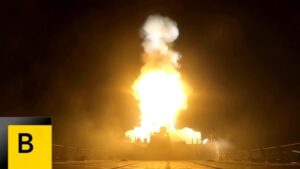
Iran’s Revolutionary Guard announced that it had targeted American military infrastructure located in Bahrain, Kuwait, and other Gulf countries. According to Iranian officials, the attacks were carried out in response to recent U.S. military operations against Iranian installations.
Reports indicate that missiles and drones were launched toward multiple facilities used by U.S. forces. Air defense systems in several Gulf countries were activated to intercept incoming threats, while military officials monitored the situation closely.
Although authorities have confirmed attacks on military installations, the extent of damage and casualties remains under assessment. Officials from the affected countries continue to evaluate the impact while increasing security around strategic locations.
Why Gulf Nations Are Caught in the Middle
Several Gulf nations host important American military bases that support operations throughout the Middle East. Countries including Bahrain and Kuwait have long maintained close defense partnerships with the United States.
Because of these strategic alliances, U.S. military facilities in the Gulf have become potential targets whenever tensions between Washington and Tehran intensify. The latest attacks demonstrate how quickly regional partners can become involved even when they are not direct participants in the conflict.
Military analysts note that Gulf governments face the difficult challenge of protecting national security while avoiding further escalation.
Strait of Hormuz Remains a Critical Flashpoint
One of the biggest concerns surrounding the latest crisis is the Strait of Hormuz, one of the world’s most important maritime trade routes.
Iran has claimed that it has taken measures affecting the strategic waterway, while U.S. officials have disputed some of Tehran’s statements regarding commercial shipping. The uncertainty has increased concerns among shipping companies, energy traders, and financial markets worldwide.
Nearly one-fifth of global oil supplies pass through the Strait of Hormuz, making any disruption a significant concern for the international economy.
If commercial shipping is interrupted for an extended period, countries around the world could experience higher fuel prices and supply chain disruptions.
Oil Prices React to Rising Tensions
Financial markets responded almost immediately to the renewed fighting.
Brent crude prices climbed as investors reacted to fears that conflict around the Gulf could disrupt oil exports. Stock markets across several Gulf countries also experienced declines as investors weighed the growing geopolitical risks.
Energy analysts believe that prolonged instability could create additional volatility in oil markets, especially if shipping routes become less secure.
For countries dependent on imported energy, sustained increases in oil prices could contribute to higher inflation and increased transportation costs.
United States Responds
The United States has continued military operations targeting Iranian capabilities while emphasizing the importance of protecting international shipping lanes.
American officials have stated that recent operations were intended to reduce Iran’s ability to threaten commercial vessels and regional military installations. Washington has also reaffirmed its commitment to defending U.S. personnel stationed throughout the Gulf.
Additional defensive measures have reportedly been implemented at U.S. bases across the region as officials prepare for the possibility of further attacks.
Regional Diplomacy Faces Major Challenges
Diplomatic efforts aimed at reducing tensions have suffered another setback.
Several regional countries, including Oman and Qatar, have previously played important roles in facilitating dialogue between Washington and Tehran. However, recent military exchanges have complicated those efforts considerably.
International observers warn that rebuilding diplomatic momentum may become increasingly difficult if military actions continue.
The United Nations and multiple governments have urged all parties to exercise restraint and avoid actions that could further destabilize the region.
Global Economic Impact
The latest escalation extends far beyond the Middle East.
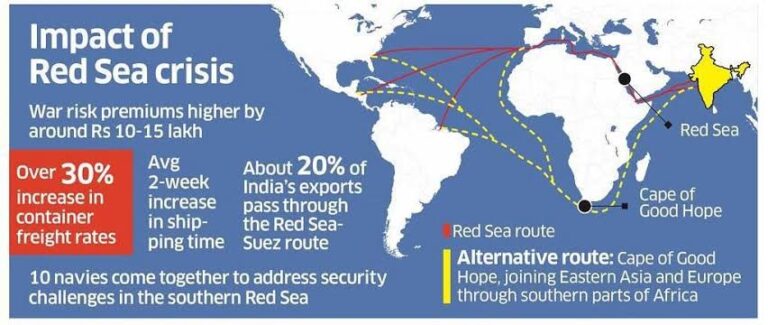
International shipping companies are monitoring developments closely as security concerns increase around major maritime routes. Insurance costs for commercial vessels could rise if threats continue.
Financial markets are also reacting to uncertainty surrounding energy supplies and geopolitical stability.
Economists note that prolonged conflict could influence:
- Global oil prices
- Inflation rates
- International shipping costs
- Stock market performance
- Supply chain reliability
Businesses with significant exposure to Middle Eastern trade are watching developments carefully while preparing contingency plans.
Security Concerns Continue to Grow
Military experts believe the current situation represents one of the most dangerous phases in U.S.-Iran relations in recent years.
The involvement of multiple Gulf nations increases the risk that localized military exchanges could expand into a broader regional confrontation.
Air defense systems remain on heightened alert across several countries, while governments continue coordinating with allies to strengthen security around military installations and key infrastructure.
What Happens Next?
The coming days will likely determine whether tensions continue escalating or diplomatic efforts regain momentum.
Much depends on whether additional retaliatory strikes occur and whether regional mediators can reopen communication channels between the opposing sides.
Military analysts caution that any further attacks on strategic infrastructure or commercial shipping could significantly increase the risk of broader conflict.
Meanwhile, governments worldwide continue monitoring developments closely because of the potential consequences for global security and economic stability.
Conclusion
The latest exchange of military strikes between Iran and the United States has placed Gulf nations at the center of a rapidly evolving regional crisis. Attacks targeting U.S. military assets have heightened security concerns, unsettled financial markets, and renewed fears over the safety of the Strait of Hormuz.
While diplomatic solutions remain possible, the situation remains highly fluid. The coming days will be critical in determining whether the region moves toward de-escalation or experiences further military confrontation.
Frequently Asked Questions (FAQs)
Why did Iran target U.S. assets in Gulf nations?
Iran said the attacks were retaliation for recent U.S. military strikes on Iranian targets.
Which Gulf countries were affected?
Reports indicate that U.S. military facilities in Bahrain and Kuwait were among the targets, while regional security alerts extended to several neighboring Gulf states.
Why is the Strait of Hormuz important?
The Strait of Hormuz is one of the world’s busiest oil shipping routes, with a significant share of global crude exports passing through it.
How have global markets responded?
Oil prices increased while several Gulf stock markets declined amid concerns over energy supplies and regional security.
Could the conflict spread further?
Analysts warn that continued military exchanges increase the risk of broader regional escalation, although diplomatic efforts to reduce tensions remain ongoing.
How useful was this post?
Click on a star to rate it!
Average rating 0 / 5. Vote count: 0
No votes so far! Be the first to rate this post.
About the Author

usa5911.com
Administrator
Hi, I’m Gurdeep Singh, a professional content writer from India with over 3 years of experience in the field. I specialize in covering U.S. politics, delivering timely and engaging content tailored specifically for an American audience. Along with my dedicated team, we track and report on all the latest political trends, news, and in-depth analysis shaping the United States today. Our goal is to provide clear, factual, and compelling content that keeps readers informed and engaged with the ever-changing political landscape.