HORMUZ SHOWDOWN: US Launches NEW Strikes On Iran After Explosive Threat
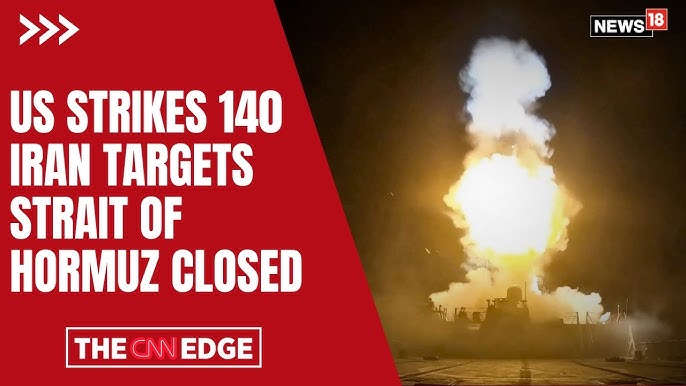
Tensions between the United States and Iran have entered another critical phase as military actions around the Strait of Hormuz raise fears of a wider Middle East conflict. The strategic waterway has once again become the center of international attention after renewed strikes, threats, and retaliatory warnings from both sides.
The latest confrontation comes after months of rising hostility involving military operations, maritime security disputes, and disagreements over regional influence. The Strait of Hormuz, one of the world’s most important energy routes, has become the focal point of the crisis because any disruption there could affect global oil supplies and international trade.
The United States has said its military actions were aimed at protecting American forces, commercial shipping, and freedom of navigation. Iran, meanwhile, has accused Washington of aggression and warned that further attacks could trigger stronger responses.
As both nations increase pressure on each other, governments around the world are closely monitoring whether the situation will remain limited or develop into a larger regional war.
US Launches New Strikes Amid Rising Hormuz Tensions
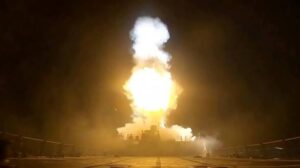
The latest U.S. military actions reportedly came after escalating incidents involving ships, drones, and missile threats near the Strait of Hormuz. U.S. officials have described the strikes as defensive measures designed to counter threats against American forces and international shipping routes.
The Pentagon has emphasized that protecting maritime security remains a major priority. The Strait of Hormuz connects the Persian Gulf with the Gulf of Oman and serves as a crucial passage for global energy transportation.
Any military confrontation in this area carries international consequences because millions of barrels of oil pass through the region every day.
According to reports, previous clashes involved attacks on maritime targets and responses against Iranian military infrastructure. These developments have increased fears that even a limited confrontation could spiral into a broader conflict.
Why The Strait Of Hormuz Matters To The World
The Strategic Importance Of Hormuz
The Strait of Hormuz is considered one of the most important maritime chokepoints in the world. Its narrow passage makes it highly vulnerable during periods of military tension.
For decades, the waterway has been central to global energy markets because major oil-producing countries rely on it to export crude oil and natural gas.
A prolonged crisis in Hormuz could create:
- Rising oil prices
- Higher transportation costs
- Increased inflation worldwide
- Supply chain disruptions
- Greater pressure on energy-dependent economies
Markets often react immediately when threats emerge around the region because traders fear possible interruptions to energy supplies.
Iran’s Response And Growing Threats
Iran has repeatedly warned that it will respond to attacks against its territory and military interests. Tehran views U.S. operations in the region as a threat to its sovereignty and security.
Iranian officials have also highlighted the strategic importance of the Strait of Hormuz and suggested that continued pressure could lead to stronger countermeasures.
The country has significant military capabilities in the region, including:
- Missile systems
- Drone technology
- Naval forces
- Coastal defense equipment
Analysts say Iran’s ability to threaten maritime traffic has long been considered one of its strongest strategic tools.
However, any action that significantly disrupts international shipping could also create economic consequences for Iran and neighboring countries.
Washington’s Strategy: Pressure And Deterrence
The United States has maintained a strong military presence in the Middle East for decades. American officials argue that this presence helps protect allies, deter attacks, and maintain international shipping routes.
The recent strikes reflect Washington’s broader strategy of responding forcefully to threats while attempting to avoid a full-scale war.
U.S. policymakers face a difficult challenge:
- Show military strength
- Protect American personnel
- Prevent regional escalation
- Keep diplomatic options open
A major concern is that miscalculations by either side could lead to a chain reaction involving regional allies and international powers.
Global Reaction To The Hormuz Crisis
Countries across the world are watching the developments closely because the conflict has implications beyond the Middle East.
Energy Market Concerns
Oil markets typically respond quickly to uncertainty in major production regions. Any threat to shipping routes can increase fears of shortages and higher prices.
Energy-importing countries are particularly concerned because prolonged instability could affect fuel costs, transportation, and economic growth.
Diplomatic Pressure
International organizations and foreign governments have called for restraint and renewed diplomatic efforts.
Many leaders fear that continued military exchanges could make negotiations more difficult and increase civilian risks.
How The Crisis Could Affect Global Oil And Economy
The Strait of Hormuz crisis has created major concerns in global energy markets. The waterway is responsible for transporting a significant portion of the world’s oil supply, making any military disruption a serious economic issue.
Recent tensions have already pushed markets into uncertainty, with investors watching closely for signs of further escalation. Reports indicate that clashes between U.S. and Iranian forces, along with disputes over control of the Strait of Hormuz, have increased fears of supply disruptions.
Possible Economic Effects
A prolonged conflict could lead to:
1. Higher Fuel Prices
If shipping through Hormuz becomes restricted, oil prices could rise rapidly. Higher crude prices often affect:
- Petrol and diesel costs
- Transportation expenses
- Manufacturing prices
- Food supply chains
Countries that import large amounts of energy would face increased pressure.
2. Inflation Risks
Energy prices influence almost every part of the global economy. Higher fuel costs can increase production expenses, leading to higher prices for everyday goods.
3. Market Uncertainty
Stock markets often react negatively during major geopolitical crises. Investors usually move toward safer assets when fears of war increase.
US-Iran Military Balance: Who Has The Advantage?
The confrontation between Washington and Tehran involves two very different military strategies.
United States Military Strength
The United States has one of the most advanced militaries in the world, including:
- Advanced aircraft carriers
- Stealth aircraft
- Satellite intelligence
- Long-range missile systems
- Cyber capabilities
- Global military bases
Washington’s advantage lies in technology, intelligence, and worldwide military reach.
Iran’s Military Strategy
Iran’s military approach focuses heavily on regional defense capabilities, including:
- Ballistic missiles
- Drone warfare
- Naval tactics
- Missile boats
- Regional partnerships
Iran has historically relied on asymmetric warfare, using smaller and less expensive systems to challenge larger military forces.
Experts say a direct conventional war would present significant challenges for Iran, but Tehran’s ability to create regional disruption remains a major factor.
Why A Wider War Remains A Global Concern
The biggest fear among international observers is not only the current exchange of strikes but the possibility of uncontrolled escalation.
A wider conflict could involve:
- Gulf countries
- Regional armed groups
- International naval forces
- Global energy markets
Recent reports indicate that retaliatory attacks and military responses have expanded tensions beyond the immediate U.S.-Iran confrontation.
A major incident involving civilian ships, military personnel, or energy infrastructure could quickly change the situation.
Diplomatic Options: Can The Crisis Be De-Escalated?
Despite military tensions, diplomacy remains a possible path forward.
Possible solutions could include:
1. Military Communication Channels
Direct communication between military officials can help prevent accidental clashes.
2. International Mediation
Countries with diplomatic ties to both Washington and Tehran may attempt to negotiate temporary agreements.
3. Maritime Security Agreements
A possible arrangement could focus on:
- Safe shipping routes
- Protection of commercial vessels
- Reduced military activity near Hormuz
However, trust between the two governments remains extremely limited.
What Happens Next In The Hormuz Crisis?
Several possible scenarios could develop.
Scenario 1: Limited Military Exchange
The conflict could remain controlled, with both sides carrying out limited strikes while avoiding a full-scale war.
This would allow governments to maintain pressure while leaving room for negotiations.
Scenario 2: Regional Escalation
A major attack causing significant casualties could trigger a much broader conflict involving additional countries.
This remains one of the biggest concerns for international leaders.
Scenario 3: Diplomatic Breakthrough
Pressure from economic damage and international concerns could push both sides toward negotiations.
A temporary agreement could reduce tensions around shipping and military operations.
The Role Of Gulf Nations
Countries in the Gulf region are directly affected by the crisis because many host important energy facilities and military installations.
Nations such as Saudi Arabia, Qatar, Bahrain, Oman, and the United Arab Emirates have attempted to balance security concerns with avoiding a wider war.
Recent reports indicate that some Gulf locations have experienced security incidents connected to the wider confrontation.
These countries face a difficult situation:
- They rely on stable oil exports
- They host international military forces
- They want regional security
- They want to avoid becoming targets
Impact On International Shipping
The shipping industry is among the sectors most affected by the Hormuz tensions.
Companies operating in the region must consider:
- Security risks
- Insurance costs
- Route changes
- Possible delays
A prolonged crisis could force shipping companies to take longer routes, increasing transportation costs worldwide.
The international shipping community has raised concerns about restrictions and military actions affecting freedom of navigation.
Nuclear Concerns And Regional Security
The U.S.-Iran conflict is also connected to long-running disputes over Iran’s nuclear program.
Western countries have repeatedly expressed concerns about Iran’s nuclear capabilities, while Tehran has maintained that its activities are for peaceful purposes.
Military escalation could make diplomatic discussions over nuclear issues more difficult.
A stable agreement would likely require:
- Verification mechanisms
- Security guarantees
- Sanctions discussions
- Regional negotiations
Expert View: Why Hormuz Remains The Center Of The Crisis
The Strait of Hormuz represents more than just a shipping route. It is a symbol of strategic influence in the Middle East.
Control or disruption of the strait gives countries significant leverage over global energy markets.
For this reason, both the United States and Iran view the region as strategically important.
The current crisis demonstrates how a regional conflict can quickly become a global economic issue.
Conclusion: A Dangerous Moment For The Middle East
The Hormuz showdown between the United States and Iran has created one of the most serious security challenges in the region. New strikes, military threats, and disputes over maritime control have increased fears of a wider confrontation.
While both sides continue to demonstrate military strength, the consequences of prolonged conflict could extend far beyond the battlefield. Energy markets, international shipping, and global diplomacy are all being affected.
The coming days will be critical. Whether the crisis moves toward further escalation or diplomatic negotiations may determine the future stability of the Middle East.
Frequently Asked Questions (FAQs)
1. Why is the Strait of Hormuz important?
The Strait of Hormuz is one of the world’s most important energy shipping routes. A disruption there can affect global oil supplies and fuel prices.
2. Why did the United States launch strikes on Iran?
The United States has stated that its strikes were responses to security threats and aimed at protecting American forces and maritime interests.
3. Could the conflict become a larger war?
Yes. While both sides may try to avoid a major war, miscalculations or a major attack could expand the conflict.
4. How would a Hormuz crisis affect ordinary people?
A prolonged crisis could increase fuel prices, transportation costs, and the prices of goods worldwide.
5. Does Iran control the Strait of Hormuz?
Iran has significant military influence in the area, but the strait is an international waterway used by many countries.
6. Are other countries involved in the crisis?
Several regional and international countries are monitoring developments because of security and economic concerns.
7. Can diplomacy stop the conflict?
Diplomacy remains possible, but disagreements between the United States and Iran make negotiations challenging.
How useful was this post?
Click on a star to rate it!
Average rating 0 / 5. Vote count: 0
No votes so far! Be the first to rate this post.
About the Author

usa5911.com
Administrator
Hi, I’m Gurdeep Singh, a professional content writer from India with over 3 years of experience in the field. I specialize in covering U.S. politics, delivering timely and engaging content tailored specifically for an American audience. Along with my dedicated team, we track and report on all the latest political trends, news, and in-depth analysis shaping the United States today. Our goal is to provide clear, factual, and compelling content that keeps readers informed and engaged with the ever-changing political landscape.