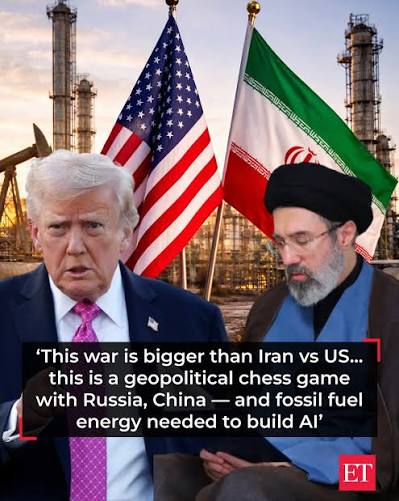
Major Diplomatic Move: Iran Seeks US Meeting As Fragile Ceasefire Hangs In The Balance
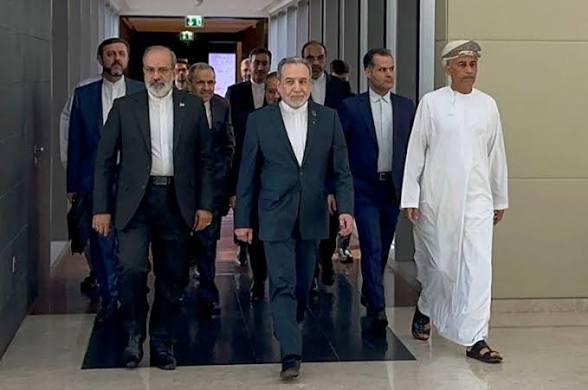
The Middle East has entered another critical diplomatic moment as Iran signals its willingness to hold talks with the United States while a recently established ceasefire remains under intense pressure. After weeks of heightened military tensions, missile exchanges, and growing concerns about regional security, both countries appear to recognize that diplomacy may offer the best opportunity to prevent another dangerous escalation.
Although officials on both sides have continued to exchange strong public statements, recent diplomatic efforts suggest that back-channel communication remains active. Mediators are reportedly working to create an environment where representatives from Washington and Tehran can discuss measures to maintain the ceasefire and address broader security concerns. While neither side has confirmed every detail of the proposed talks, the willingness to engage marks an important shift following months of confrontation.
The proposed discussions come at a time when global attention is focused on the stability of the Middle East. Any progress in U.S.-Iran relations could influence international energy markets, regional alliances, maritime security, and future negotiations surrounding Iran’s nuclear program.
Why the Proposed Meeting Matters
A direct or indirect meeting between Iran and the United States carries significance far beyond bilateral relations. The two countries have experienced decades of political hostility, economic sanctions, and military tensions. Every diplomatic engagement is therefore viewed as an opportunity to reduce the risk of conflict while exploring areas where limited cooperation may be possible.
The latest initiative comes after a period of heightened military activity that raised fears of a broader regional conflict. Although the ceasefire has reduced immediate hostilities, analysts caution that it remains fragile and vulnerable to collapse if either side perceives violations or acts of provocation.
For this reason, diplomats are expected to focus first on maintaining calm before attempting to resolve more complicated issues.
A Fragile Ceasefire Under Pressure
Ceasefires are often only the first step toward lasting peace. Even after active fighting slows, misunderstandings, isolated attacks, or political disagreements can quickly reignite tensions.
The current ceasefire faces several challenges:
- Maintaining military restraint on both sides.
- Preventing accidental escalation.
- Protecting commercial shipping routes.
- Managing domestic political pressure.
- Building confidence for future negotiations.
Success will depend not only on diplomatic meetings but also on the willingness of both governments to implement practical confidence-building measures.
Regional Implications
Developments between Iran and the United States affect the entire Middle East. Gulf nations, neighboring countries, and international partners are watching closely because regional stability influences trade, investment, and energy supplies.
One of the most important concerns remains maritime security. The Strait of Hormuz serves as one of the world’s busiest energy transit routes, and any disruption could have significant economic consequences. Ensuring safe navigation through these waters is therefore expected to remain a major topic during diplomatic discussions.
Diplomatic progress rarely happens without trusted intermediaries. In the current situation, regional partners are working to facilitate communication between Washington and Tehran. These mediators help reduce misunderstandings, carry messages between officials, and create opportunities for negotiations even when direct dialogue is limited.
Their efforts focus on keeping communication channels open while encouraging both sides to honor ceasefire commitments. This approach has been used successfully in previous periods of regional tension and remains one of the most practical ways to prevent further escalation.
Key Issues Likely to Be Discussed
If the proposed meeting moves forward, negotiators are expected to address several high-priority issues, including:
1. Maintaining the Ceasefire
The immediate priority will be ensuring that both sides continue to avoid military confrontation. Confidence-building measures, improved communication, and monitoring mechanisms could all become part of future agreements.
2. Regional Security
Security concerns extend beyond Iran and the United States. Discussions may include regional conflicts, the activities of armed groups, missile programs, and efforts to reduce instability across the Middle East.
3. Economic Sanctions
Iran has consistently sought relief from international sanctions, arguing that they have placed significant pressure on its economy. The United States, meanwhile, has linked sanctions relief to progress on security and nuclear-related issues.
4. Nuclear Negotiations
Although the immediate focus is on maintaining peace, Iran’s nuclear program remains one of the most important long-term issues. Future negotiations could explore ways to revive diplomatic agreements while addressing international concerns about nuclear activities.
Challenges That Could Derail Diplomacy
Despite renewed optimism, several obstacles remain.
Political pressure within both countries may limit leaders’ flexibility during negotiations. Hardline voices could oppose compromises, making it difficult to reach lasting agreements.
Military incidents also remain a significant risk. Even a single unexpected attack or misunderstanding could undermine diplomatic progress and increase tensions.
Trust is another major challenge. Years of disagreements have created deep skepticism on both sides, meaning that any future agreement will likely require gradual implementation and verification.
Impact on Global Energy Markets
Energy markets are closely monitoring developments because the Middle East remains one of the world’s most important oil-producing regions.
Positive diplomatic developments could help stabilize oil prices by reducing concerns about supply disruptions.
Conversely, renewed conflict could lead to higher energy prices, increased transportation costs, and greater uncertainty for the global economy.
Businesses, investors, and governments are therefore paying close attention to every diplomatic announcement.
International Reaction
The international community has broadly welcomed efforts to reduce tensions.
Many countries have encouraged both governments to continue dialogue while emphasizing the importance of regional stability.
International organizations have also called for peaceful negotiations, highlighting that diplomacy remains the most effective way to address complex security challenges.
What Happens Next?
Several possible outcomes remain on the table:
- Continued diplomatic negotiations with gradual confidence-building measures.
- Limited agreements on regional security issues.
- Progress toward broader discussions on sanctions and nuclear concerns.
- Temporary delays if disagreements emerge.
- Renewed tensions if the ceasefire collapses.
The coming weeks are likely to determine whether recent diplomatic momentum can develop into more substantial negotiations.
Expert Analysis
Many foreign policy experts believe that even holding a meeting would represent meaningful progress.
Diplomatic engagement does not guarantee a breakthrough, but maintaining communication reduces the likelihood of miscalculation during periods of heightened tension.
Analysts also note that confidence-building measures often begin with relatively small agreements before expanding into broader negotiations covering security, economics, and regional cooperation.
Patience will therefore be essential for both governments if they hope to achieve lasting progress.
Conclusion
Iran’s reported effort to seek a meeting with the United States represents a significant diplomatic development at a time when the ceasefire remains uncertain. Although numerous challenges remain, continued dialogue offers the best opportunity to reduce tensions and prevent another cycle of military escalation.
The proposed discussions could shape not only the future of U.S.-Iran relations but also the broader security landscape of the Middle East. While no outcome is guaranteed, successful diplomacy could strengthen regional stability, improve economic confidence, and create opportunities for addressing longer-term issues such as sanctions and nuclear negotiations.
For now, the world will be watching closely as both sides decide whether they can transform a fragile ceasefire into a more durable path toward peace.
Frequently Asked Questions (FAQs)
1. Why is Iran seeking a meeting with the United States?
Iran is reportedly seeking renewed diplomatic engagement to address the fragile ceasefire, regional security concerns, and broader issues such as sanctions and future negotiations.
2. Why is the ceasefire considered fragile?
The ceasefire remains vulnerable because of lingering military tensions, political disagreements, and the possibility of isolated incidents triggering renewed conflict.
3. What topics are expected to be discussed?
Likely topics include maintaining the ceasefire, regional security, maritime safety, sanctions, and future discussions related to Iran’s nuclear program.
4. Why is the Strait of Hormuz important?
The Strait of Hormuz is one of the world’s busiest oil shipping routes. Any disruption there can significantly affect global energy supplies and oil prices.
5. How could these talks affect oil prices?
Successful diplomacy could reduce market uncertainty and stabilize oil prices, while renewed conflict could increase prices due to supply concerns.
6. Are these negotiations guaranteed to succeed?
No. Diplomatic talks often involve complex negotiations, and significant political and security challenges remain.
7. Why are other countries monitoring the talks?
Regional and global powers are closely watching because developments could affect international trade, energy security, and stability across the Middle East.
8. What is the significance of continued diplomacy?
Maintaining open communication helps reduce misunderstandings, lowers the risk of military escalation, and creates opportunities for future agreements that promote regional peace.
How useful was this post?
Click on a star to rate it!
Average rating 0 / 5. Vote count: 0
No votes so far! Be the first to rate this post.
About the Author

usa5911.com
Administrator
Hi, I’m Gurdeep Singh, a professional content writer from India with over 3 years of experience in the field. I specialize in covering U.S. politics, delivering timely and engaging content tailored specifically for an American audience. Along with my dedicated team, we track and report on all the latest political trends, news, and in-depth analysis shaping the United States today. Our goal is to provide clear, factual, and compelling content that keeps readers informed and engaged with the ever-changing political landscape.