BREAKING: Trump Did What NO President Has Done In 47 Years
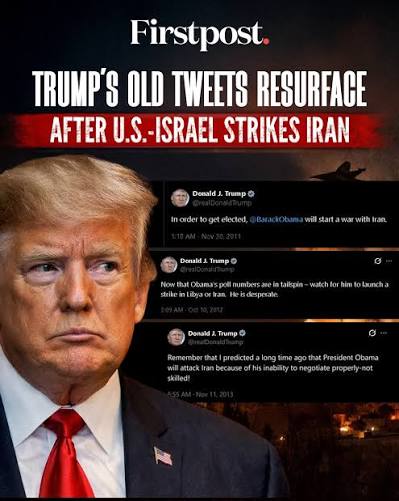
Former President Donald Trump has once again made headlines after claiming he accomplished something that, according to him, “no president has done in 47 years.“ The statement came during remarks defending his administration’s approach toward Iran and broader U.S. national security policy. Trump argued that previous administrations, both Republican and Democratic, avoided taking decisive military action against Iran’s nuclear infrastructure, while his administration chose a dramatically different course.
The bold claim immediately sparked debate across Washington and around the world. Supporters praised the decision as a demonstration of strong leadership, while critics questioned both the legal basis and the long-term strategic consequences of such military action.
This article examines what Trump meant by his statement, why he believes his actions were historically significant, and how experts are evaluating the impact.
What Did Trump Mean?

During a White House event, Trump stated that for nearly five decades, no American president had taken the action he authorized against Iran’s nuclear facilities. He argued that previous presidents hesitated despite repeated tensions between Washington and Tehran.
Trump suggested that leaders from both political parties believed military action carried unacceptable risks. His administration, however, concluded that delaying action could allow Iran’s nuclear program to advance further.
According to Trump, this willingness to act distinguishes his presidency from every administration since the late 1970s.
The Background Behind the 47-Year Claim
Relations between the United States and Iran have remained hostile since the 1979 Iranian Revolution and the subsequent hostage crisis. Over the decades, multiple administrations relied on diplomacy, sanctions, covert operations, or limited military responses instead of direct strikes on Iranian nuclear infrastructure.
Several presidents—including Jimmy Carter, Ronald Reagan, George H. W. Bush, Bill Clinton, George W. Bush, Barack Obama, and Joe Biden—faced significant challenges involving Iran.
Although each administration pursued different strategies, none authorized the type of direct military operation Trump referenced in his remarks.
Why Previous Presidents Chose Restraint
Foreign policy experts note that Iran occupies a strategically important position in the Middle East. Military conflict with Tehran has long been viewed as carrying enormous risks.
Among the concerns were:
- Escalation into a broader regional war
- Threats to American troops stationed overseas
- Disruption of global energy supplies
- Retaliatory attacks by Iran or allied groups
- Damage to diplomatic relationships with international partners
Because of these risks, most administrations preferred economic sanctions, intelligence operations, or negotiations rather than direct attacks.
Trump argues that this cautious approach allowed Iran’s nuclear ambitions to continue for decades.
Trump’s Decision
The administration maintained that intelligence assessments showed growing risks associated with Iran’s nuclear activities.
Officials argued that military action became necessary to reduce Iran’s ability to develop nuclear capabilities.
Following the operation, Trump described the strikes as highly successful, claiming they significantly damaged key facilities connected to Iran’s nuclear program. Administration officials also characterized the mission as a major national security achievement.
However, independent verification of the full extent of the damage has remained a subject of ongoing analysis.
Supporters Call It Historic
Trump supporters quickly embraced the president’s characterization of the operation.
Many conservative lawmakers argued that:
- The United States demonstrated renewed military strength.
- Iran received a clear warning against further escalation.
- America’s allies gained greater confidence in U.S. leadership.
- Future adversaries may think twice before challenging Washington.
Supporters also argued that years of diplomatic efforts failed to permanently halt Iran’s nuclear ambitions, making stronger action unavoidable.
Critics Raise Serious Concerns
Not everyone agrees with Trump’s assessment.
Critics argue that military strikes may delay—but not necessarily eliminate—Iran’s nuclear capabilities.
Some experts warn that military action could encourage Iran to rebuild its program while reducing incentives for diplomatic engagement.
Others questioned whether Congress should have played a greater role before authorizing military action.
Several analysts also warned that future retaliation remains possible through proxy organizations operating across the Middle East.
Global Reaction
International reactions were mixed.
Some allies expressed understanding of the security concerns that motivated the strikes.
Others urged restraint, emphasizing diplomacy and warning against additional escalation.
Financial markets initially reacted cautiously as investors monitored oil prices, shipping routes, and regional security developments.
Although markets stabilized in the days following the announcement, uncertainty remained regarding Iran’s long-term response.
Why the Story Matters
Whether one agrees with Trump’s decision or not, the event represents one of the most significant moments in recent U.S. foreign policy.
The debate extends beyond one military operation. It raises broader questions about:
- Presidential authority
- National security strategy
- Nuclear non-proliferation
- America’s role in the Middle East
- The balance between diplomacy and military force
These issues are likely to influence U.S. foreign policy discussions for years to come.
The operation immediately became a major topic of debate in Washington. Supporters described the action as a demonstration of decisive leadership, while critics questioned whether military force should have been used without broader congressional involvement. Members of Congress from both parties called for intelligence briefings to better understand the objectives, the reported damage to Iran’s nuclear facilities, and the administration’s long-term strategy.
Several lawmakers argued that if the strikes significantly delayed Iran’s nuclear program, they could strengthen future diplomatic negotiations. Others maintained that any military action must be paired with a clear diplomatic roadmap to reduce the risk of a wider regional conflict.
International Response
World leaders closely monitored developments following the strikes.
Some U.S. allies expressed support for efforts to prevent nuclear proliferation while emphasizing the importance of avoiding additional military escalation. Others urged both Washington and Tehran to return to diplomatic discussions as quickly as possible.
International organizations also called for restraint, warning that prolonged instability in the Middle East could have consequences far beyond the region, including effects on energy markets and global trade.
The Economic Impact
Geopolitical tensions often affect financial markets, and this situation was no exception.
Immediately after reports of military action, investors watched:
- Global oil prices
- Shipping through the Strait of Hormuz
- International stock markets
- Airline operations
- Commodity prices
Although markets experienced short-term volatility, analysts noted that investor confidence would largely depend on whether the conflict remained limited or expanded into a broader regional confrontation.
Businesses that rely on stable energy supplies also monitored developments carefully, recognizing that prolonged instability could influence transportation and manufacturing costs worldwide.
Historical Perspective
Trump’s claim that no president had taken similar action in 47 years refers to the period following the 1979 Iranian Revolution, when successive U.S. administrations generally avoided direct military strikes on Iran’s nuclear infrastructure.
Over the decades, presidents relied on different strategies:
- Economic sanctions
- Diplomatic negotiations
- International agreements
- Intelligence operations
- Cybersecurity measures
- Regional military deterrence
Supporters argue that Trump broke with decades of restraint. Critics counter that each administration faced different geopolitical circumstances, making direct comparisons difficult.
Expert Analysis
Security experts remain divided over the long-term effectiveness of military strikes against nuclear programs.
Some analysts believe such operations can significantly delay technical progress by damaging infrastructure and disrupting supply chains.
Others argue that military action alone rarely eliminates a determined nation’s nuclear ambitions and that lasting solutions generally require diplomatic agreements combined with verification mechanisms.
Most experts agree that the ultimate impact will depend on future political decisions by both the United States and Iran.
What Happens Next?
Several key questions remain:
- Will Iran resume negotiations?
- Will additional sanctions be imposed?
- Could further military action occur?
- How will regional allies respond?
- Will tensions eventually decrease through diplomacy?
The answers will shape not only U.S.–Iran relations but also broader security dynamics across the Middle East.
Why This Story Matters
This development extends beyond a single military operation.
It touches on fundamental issues including:
- Presidential authority in matters of national security.
- The balance between military action and diplomacy.
- Nuclear non-proliferation efforts.
- Stability in the Middle East.
- The future direction of U.S. foreign policy.
Whether viewed as a historic achievement or a controversial decision, the event has become a defining moment in ongoing debates about America’s global role.
Conclusion
Trump’s assertion that he accomplished something “no president has done in 47 years” has generated significant discussion among policymakers, analysts, and the public. His supporters view the action as a demonstration of resolve against Iran’s nuclear ambitions, while critics caution that military success must be measured alongside long-term diplomatic and strategic outcomes.
As more information emerges about the effectiveness of the strikes and the regional response, historians and foreign policy experts will continue assessing whether this decision marks a lasting turning point in U.S. national security policy or simply another chapter in the decades-long relationship between Washington and Tehran.
The debate is unlikely to end soon, but one thing is certain: the events surrounding Trump’s decision have become one of the most closely watched foreign policy developments of the year.
Frequently Asked Questions (FAQs)
1. What did Trump mean by saying no president had done this in 47 years?
Trump was referring to his administration’s authorization of direct military strikes against Iranian nuclear infrastructure, arguing that previous presidents since the 1979 Iranian Revolution had not taken comparable action.
2. Why is the 47-year period significant?
It roughly corresponds to the time since the Iranian Revolution, after which U.S.–Iran relations became deeply strained and successive administrations generally avoided direct attacks on Iran’s nuclear facilities.
3. Did previous presidents take action against Iran?
Yes. Previous administrations imposed sanctions, conducted diplomatic negotiations, supported international agreements, and used other measures, but they generally did not authorize the specific type of direct military action Trump referenced.
4. What are supporters saying?
Supporters argue the operation demonstrated American military strength, deterred adversaries, and significantly disrupted Iran’s nuclear capabilities.
5. What concerns have critics raised?
Critics question the long-term effectiveness of military strikes, the potential for regional escalation, and whether Congress should have had a greater role in authorizing the action.
6. How could this affect global markets?
Periods of heightened Middle East tensions can influence oil prices, shipping routes, and investor confidence, although the long-term economic impact depends on how the situation develops.
7. Will this change U.S.–Iran relations?
It is too early to determine the full impact. Future diplomatic negotiations, regional developments, and policy decisions by both governments will shape the relationship in the months and years ahead.
How useful was this post?
Click on a star to rate it!
Average rating 0 / 5. Vote count: 0
No votes so far! Be the first to rate this post.
About the Author

usa5911.com
Administrator
Hi, I’m Gurdeep Singh, a professional content writer from India with over 3 years of experience in the field. I specialize in covering U.S. politics, delivering timely and engaging content tailored specifically for an American audience. Along with my dedicated team, we track and report on all the latest political trends, news, and in-depth analysis shaping the United States today. Our goal is to provide clear, factual, and compelling content that keeps readers informed and engaged with the ever-changing political landscape.