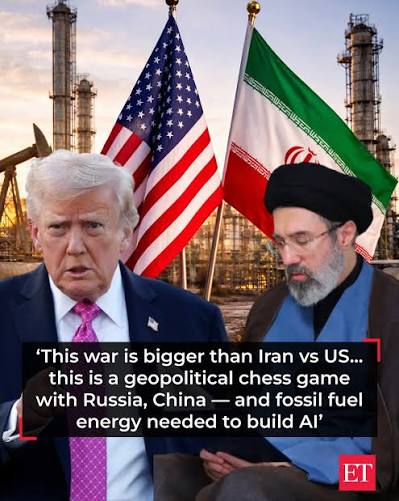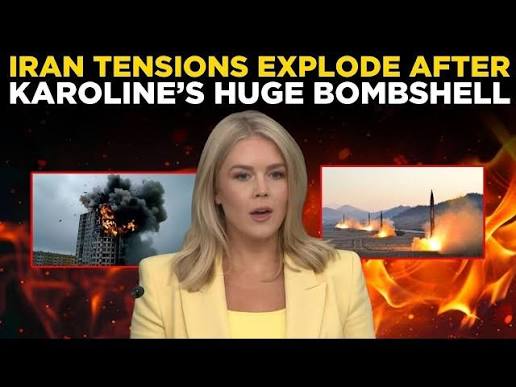
The United States is preparing for another pivotal diplomatic moment as White House Press Secretary Karoline Leavitt disclosed fresh information regarding upcoming negotiations between American and Iranian officials. The high-stakes discussions, expected to take place in Doha, Qatar, come at a critical time following renewed regional tensions and a fragile ceasefire agreement that both sides are attempting to preserve.
Leavitt confirmed that President Donald Trump’s senior envoys, Steve Witkoff and Jared Kushner, will travel to Doha to participate in high-level meetings with Iranian representatives. Alongside these meetings, technical negotiations are also scheduled, demonstrating that both governments continue working on implementing the recently signed memorandum of understanding despite recent military escalations.
The announcement has immediately drawn worldwide attention because the talks could shape the future of U.S.-Iran relations, regional stability, energy markets, and global security.
Why These US-Iran Talks Matter
Relations between Washington and Tehran have remained extremely tense for years. Although both countries recently agreed to a temporary ceasefire after months of military confrontation, several incidents over the past week threatened to derail diplomatic progress.
Recent exchanges involving drone attacks, missile strikes, and concerns surrounding commercial shipping routes in the Strait of Hormuz have once again highlighted how fragile the situation remains. The upcoming Doha talks are therefore viewed as one of the most significant diplomatic opportunities in months.
International observers believe these discussions could determine whether both nations continue moving toward a broader peace agreement or return to military confrontation.
Karoline Leavitt Reveals Fresh Details
During her latest media appearance, Karoline Leavitt confirmed several important developments regarding the negotiations.
According to Leavitt:
- Steve Witkoff and Jared Kushner will represent the United States in Doha.
- High-level diplomatic discussions will occur alongside technical negotiations.
- The United States believes it is honoring its commitments under the current ceasefire.
- Washington warned that any renewed aggression would receive a strong response.
- The administration remains committed to pursuing diplomacy while maintaining military readiness if necessary.
Her remarks signaled that the White House wants diplomacy to continue but does not intend to relax its security posture.
Steve Witkoff and Jared Kushner Take Center Stage
Special Envoy Steve Witkoff has become one of the Trump administration’s leading negotiators on major international issues. Jared Kushner, meanwhile, continues to play an influential advisory role on Middle East diplomacy.
Their participation suggests that the White House considers these negotiations highly significant rather than merely routine diplomatic consultations. Their mission is expected to focus on advancing the memorandum signed earlier this month while exploring additional confidence-building measures between Washington and Tehran.
Diplomatic analysts note that sending two senior figures demonstrates the administration’s willingness to invest political capital in achieving progress.
The Importance of Doha
Qatar has increasingly emerged as one of the world’s most trusted diplomatic mediators.
Over recent years, Doha has hosted numerous negotiations involving regional conflicts, humanitarian discussions, and international diplomacy.
Its relatively neutral position has allowed both Washington and Tehran to engage through indirect and direct channels when tensions elsewhere have made negotiations difficult.
Hosting the latest round of talks reinforces Qatar’s growing diplomatic influence in the Middle East.
The Strait of Hormuz Remains a Central Issue
One of the biggest topics expected to dominate discussions is the Strait of Hormuz.
This narrow waterway carries roughly one-fifth of the world’s traded oil and a significant share of global liquefied natural gas exports. Any disruption immediately impacts global energy markets.
Recent attacks involving commercial shipping raised fears that maritime traffic could once again face serious disruption.
Officials hope the Doha negotiations will reinforce previous agreements ensuring freedom of navigation and reduce the risk of further military incidents in one of the world’s most strategically important waterways.
Fragile Ceasefire Faces New Challenges
Although both governments previously agreed to halt large-scale military operations, recent developments have demonstrated how easily the situation could deteriorate.
Reports indicate that exchanges involving drones, missiles, and naval operations over the weekend increased concerns that the ceasefire might collapse before technical negotiations could fully begin. Mediators from Qatar and other regional partners have reportedly worked continuously to prevent further escalation.
Despite these challenges, U.S. officials continue expressing cautious optimism that diplomacy remains possible.
Technical Talks Could Shape Future Agreements
Beyond the high-profile political meetings, technical teams from both countries are expected to continue detailed discussions covering implementation of earlier commitments.
These technical negotiations often receive less public attention but are frequently where practical agreements are developed.
Subjects expected to receive attention include:
- Maritime security.
- Ceasefire implementation.
- Communication mechanisms.
- Regional de-escalation procedures.
- Future diplomatic frameworks.
Experts believe successful technical negotiations could lay the groundwork for more comprehensive agreements later this year.
Financial markets are closely monitoring the upcoming negotiations because any progress—or setback—could have immediate consequences for global energy prices and investor confidence. Oil prices often react sharply to developments involving the United States and Iran, particularly when tensions affect shipping through the Strait of Hormuz.
A successful diplomatic outcome could ease concerns about supply disruptions and help stabilize energy markets. Conversely, if talks break down or violence resumes, traders may anticipate higher risks to oil exports, leading to price volatility.
Businesses involved in shipping, aviation, manufacturing, and international trade are also paying close attention, as fuel costs and supply chains are closely linked to geopolitical stability in the Middle East.
International Reactions
Several countries have welcomed the decision to continue diplomatic engagement. Regional mediators, including Qatar, have emphasized the importance of dialogue in preventing another cycle of military escalation.
European allies have also expressed support for negotiations, arguing that diplomacy remains the most effective way to reduce tensions and improve regional security. Analysts note that while disagreements remain significant, maintaining open communication channels is preferable to allowing misunderstandings to escalate into conflict.
International organizations continue urging restraint from all parties while encouraging confidence-building measures that could strengthen the existing ceasefire.
Challenges Facing the Negotiations
Despite cautious optimism, the upcoming talks face several major obstacles.
1. Deep Mutual Distrust
Years of political disagreements, sanctions, and military incidents have created significant mistrust between Washington and Tehran. Rebuilding confidence will likely require multiple rounds of negotiations rather than a single breakthrough meeting.
2. Regional Security Concerns
Both countries remain involved in a complex regional security environment. Events involving armed groups, missile activity, and maritime security could quickly affect diplomatic momentum.
3. Domestic Political Pressures
Leaders on both sides must also consider domestic political audiences. Any agreement reached during negotiations will likely face close scrutiny from lawmakers, political allies, and critics.
4. Economic Sanctions
Economic sanctions remain one of the most sensitive issues in U.S.-Iran relations. While immediate sanctions relief is not expected, the issue may influence future discussions if negotiations progress.
What Could Be Achieved?
Although officials have tempered expectations, experts suggest several realistic outcomes are possible:
- Strengthening the current ceasefire.
- Improving communication between both governments.
- Expanding maritime security cooperation.
- Reducing the risk of accidental military confrontation.
- Scheduling additional diplomatic meetings.
- Advancing technical agreements on regional stability.
Even limited progress could help lower tensions and create momentum for broader discussions in the future.
What Karoline Leavitt’s Announcement Signals
Karoline Leavitt’s remarks indicate that the White House is pursuing a dual-track strategy. On one hand, the administration continues to support diplomacy by sending senior representatives to Doha. On the other, it has made clear that the United States remains prepared to respond if the security situation deteriorates.
This approach reflects an effort to balance negotiation with deterrence, reassuring allies while encouraging continued dialogue with Iran.
Her announcement also demonstrates that the administration views these talks as an important opportunity to preserve the current ceasefire and explore practical steps toward reducing regional tensions.
Possible Impact on the Middle East
If the negotiations produce meaningful progress, the benefits could extend beyond U.S.-Iran relations.
Greater stability could:
- Reduce the likelihood of further military escalation.
- Improve security for international shipping.
- Support more stable global energy markets.
- Encourage additional diplomatic engagement among regional actors.
- Build confidence for future peace initiatives.
However, failure to reach even modest agreements could increase uncertainty and complicate efforts to maintain the current ceasefire.
Conclusion
The upcoming U.S.-Iran talks in Doha represent one of the most closely watched diplomatic events of the year. Karoline Leavitt’s latest announcement confirms that senior American officials are preparing for high-level discussions aimed at preserving a fragile ceasefire and addressing key regional security concerns.
While significant differences remain between Washington and Tehran, continued dialogue offers an opportunity to reduce tensions and prevent further escalation. The outcome of these negotiations may influence not only bilateral relations but also global energy markets, maritime security, and broader Middle East stability.
As the talks begin, governments, businesses, and international observers around the world will be watching closely for signs of progress. Even incremental agreements could mark an important step toward a more stable regional environment.
Frequently Asked Questions (FAQs)
1. What did Karoline Leavitt announce?
Karoline Leavitt confirmed that senior U.S. envoys Steve Witkoff and Jared Kushner will participate in high-level talks with Iranian representatives in Doha, alongside technical negotiations.
2. Where will the U.S.-Iran talks take place?
The talks are expected to be held in Doha, Qatar, which has frequently served as a mediator in regional diplomatic efforts.
3. Why are these negotiations important?
The talks aim to preserve the current ceasefire, reduce regional tensions, improve maritime security, and prevent further military escalation.
4. What issues are expected to dominate the discussions?
Key topics include ceasefire implementation, regional security, freedom of navigation, communication mechanisms, and broader diplomatic engagement.
5. Could the talks affect global oil prices?
Yes. Progress in negotiations may ease concerns about disruptions to energy supplies, while setbacks could contribute to volatility in global oil markets.
6. What role does Qatar play?
Qatar acts as a diplomatic mediator, providing a neutral venue where both sides can hold direct and indirect discussions.
About the Author