DEADLY STRIKE: 7 Killed In Lebanon Following Israeli Airstrike
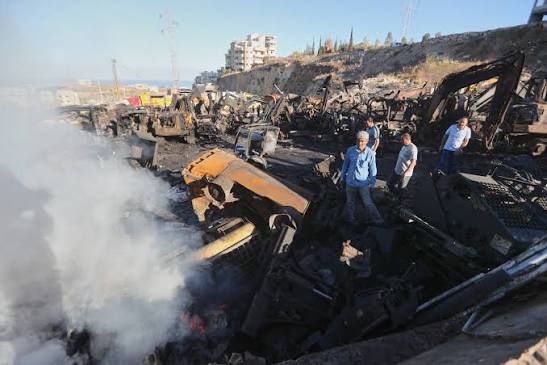
Fresh violence has once again shaken the Middle East after at least seven people were reported killed in Lebanon following an Israeli airstrike. The latest attack has intensified fears that the fragile security situation along the Israel-Lebanon border could deteriorate further despite ongoing diplomatic efforts to prevent a wider regional conflict. According to multiple reports, the strike occurred amid heightened military tensions involving Israel and Hezbollah, with both sides accusing each other of violating ceasefire understandings.
The incident has drawn international attention as governments and humanitarian organizations closely monitor developments. While Israeli officials have maintained that their military operations target Hezbollah infrastructure and fighters, Lebanese authorities have reported civilian casualties and widespread destruction.
This article examines what happened, why the strike occurred, the broader geopolitical implications, humanitarian concerns, and what could happen next.
What Happened?
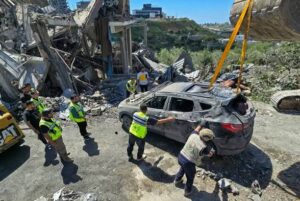
According to Lebanon’s Health Ministry, seven people were killed after Israeli airstrikes struck areas in southern Lebanon. The attacks reportedly followed renewed hostilities involving Hezbollah fighters and Israeli forces stationed near the border.
Israeli military officials stated that the strikes were launched after Hezbollah allegedly fired projectiles toward Israeli positions. Israel said its operations were directed at what it described as Hezbollah military targets. Hezbollah, meanwhile, accused Israel of violating ceasefire arrangements and expanding military operations inside Lebanese territory.
Residents reported hearing multiple explosions throughout southern Lebanon, while emergency responders rushed to damaged neighborhoods to search for survivors.
Where Did the Strike Take Place?
The attacks reportedly hit multiple locations across southern Lebanon, including villages near the Israeli border.
Southern Lebanon has long served as a flashpoint because it is considered Hezbollah’s primary area of operations. Israel frequently monitors activity in the region and has conducted numerous airstrikes there over the years.
The latest strikes reportedly affected residential areas as well as locations Israeli officials identified as Hezbollah infrastructure. Lebanese officials have not publicly confirmed whether all casualties were civilians or combatants.
Why Did Israel Launch the Airstrike?
Israeli officials say the operation was a response to Hezbollah attacks.
According to the Israeli military:
- Hezbollah launched rockets and other projectiles toward Israeli positions.
- Israeli forces targeted military infrastructure.
- Operations were intended to prevent future attacks.
Israeli officials argue that Hezbollah’s growing military capabilities remain a major security threat.
Hezbollah disputes Israel’s narrative, claiming Israeli forces have repeatedly violated previous ceasefire understandings.
Lebanon’s Response
Lebanese authorities strongly condemned the strikes.
Officials described the attacks as violations of Lebanese sovereignty and urged the international community to pressure Israel to halt military operations.
Emergency crews worked throughout affected communities to:
- Rescue survivors
- Recover victims
- Assess structural damage
- Provide emergency medical treatment
Several buildings reportedly suffered heavy damage.
Humanitarian Concerns Continue to Grow
Every new round of fighting places civilians at greater risk.
Humanitarian organizations warn that continued military escalation could:
- Displace thousands of families
- Damage hospitals and schools
- Interrupt food and medical supplies
- Increase civilian casualties
Southern Lebanon has already experienced significant destruction during previous conflicts, making recovery increasingly difficult.
Hezbollah’s Position
Hezbollah has stated that it remains prepared to respond to Israeli military actions.
The group argues that Israeli operations inside Lebanon justify military retaliation while also insisting it remains committed to any ceasefire that is respected by all parties.
This cycle of retaliation continues to raise fears of broader regional conflict.
International Reaction
Several governments have called for restraint.
International leaders continue urging:
- Immediate de-escalation
- Protection of civilians
- Respect for international humanitarian law
- Diplomatic negotiations
The United Nations has repeatedly expressed concern over renewed violence along the Israel-Lebanon border.
Impact on Regional Diplomacy
The strike comes at a particularly sensitive time.
Recent diplomatic efforts aimed at reducing tensions between the United States, Iran, Israel, and Hezbollah have faced repeated setbacks.
Analysts believe continued fighting in Lebanon risks undermining broader negotiations intended to stabilize the Middle East.
Why Southern Lebanon Remains a Flashpoint
Several factors contribute to ongoing instability:
Hezbollah’s Presence
Hezbollah maintains extensive political and military influence across southern Lebanon.
Border Security
Israel considers Hezbollah’s military infrastructure an ongoing security threat.
Regional Rivalries
The conflict is also influenced by broader tensions involving Iran, Israel, and other regional actors.
Civilian Impact
For ordinary residents, the consequences are severe.
Many families have:
- Lost homes
- Been displaced
- Experienced power outages
- Faced shortages of food and medical supplies
Children remain among the most vulnerable during repeated cycles of violence.
Military Analysis
Military experts note that Israel increasingly relies on precision airstrikes designed to target specific locations believed to house weapons or militant infrastructure. However, operations in densely populated areas carry significant risks for civilians, even when precision-guided munitions are used.
At the same time, Hezbollah’s ability to launch rockets, drones, and other attacks continues to shape Israel’s security calculations. As both sides demonstrate military capabilities, the possibility of miscalculation remains high.
Could the Conflict Escalate Further?
Many analysts believe the risk of escalation remains significant.
Potential scenarios include:
- Additional Israeli airstrikes
- Hezbollah retaliation
- Cross-border rocket exchanges
- Expanded regional involvement
- Renewed international mediation
Whether the situation stabilizes will depend largely on diplomatic engagement and the willingness of both sides to avoid further escalation.
What Happens Next?
Several developments are expected in the coming days:
- Damage assessments
- Diplomatic discussions
- International reactions
- Security reviews
- Possible ceasefire negotiations
Observers will closely monitor whether violence subsides or expands into a broader confrontation.
Conclusion
The deaths of seven people in Lebanon following the latest Israeli airstrike underscore the fragile security environment along the Israel-Lebanon border. While Israel says it is responding to security threats posed by Hezbollah, Lebanese authorities warn that continued military operations are exacting a heavy humanitarian toll.
As diplomatic efforts continue, the priority for the international community remains preventing further loss of life and reducing the risk of a wider regional conflict. With tensions already high across the Middle East, the coming days are likely to be critical in determining whether the situation moves toward de-escalation or renewed confrontation.
Frequently Asked Questions (FAQs)
1. How many people were killed in the Israeli airstrike?
According to Lebanese health authorities, seven people were reported killed in the latest Israeli airstrike.
2. Why did Israel carry out the strike?
Israel says it launched the operation in response to attacks by Hezbollah and targeted what it described as militant infrastructure.
3. Where did the attack occur?
The reported strikes occurred in southern Lebanon, where tensions between Israel and Hezbollah remain high.
4. Has a ceasefire been affected?
Recent ceasefire arrangements have come under severe strain, with both Israel and Hezbollah accusing each other of violations.
5. Could the conflict spread further?
Analysts warn that continued exchanges between Israel and Hezbollah increase the risk of broader regional escalation if diplomatic efforts fail.
How useful was this post?
Click on a star to rate it!
Average rating 0 / 5. Vote count: 0
No votes so far! Be the first to rate this post.
About the Author

usa5911.com
Administrator
Hi, I’m Gurdeep Singh, a professional content writer from India with over 3 years of experience in the field. I specialize in covering U.S. politics, delivering timely and engaging content tailored specifically for an American audience. Along with my dedicated team, we track and report on all the latest political trends, news, and in-depth analysis shaping the United States today. Our goal is to provide clear, factual, and compelling content that keeps readers informed and engaged with the ever-changing political landscape.