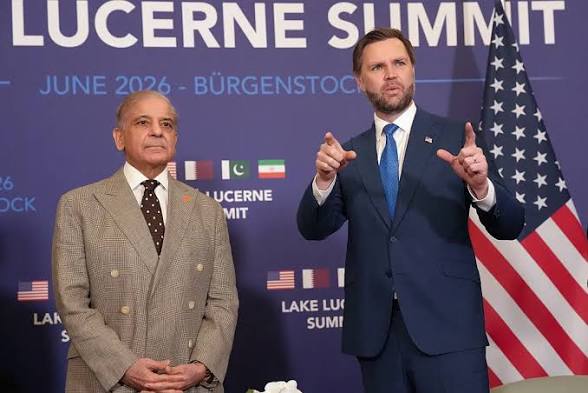
As the world watches anxiously, the United States and Iran have returned to the negotiating table in one of the most consequential diplomatic efforts in recent years. The latest round of talks, held in Switzerland, comes at a time when tensions across the Middle East remain exceptionally high. Military confrontations, uncertainty surrounding Iran’s nuclear ambitions, and concerns over global energy supplies have made these negotiations a defining moment for international diplomacy.
Leading the American delegation, U.S. Vice President JD Vance expressed cautious optimism upon arriving in Switzerland, saying that meaningful progress remains possible despite the significant differences separating Washington and Tehran. His remarks have renewed hopes that diplomacy can prevent another dangerous escalation in the region.
Why These Talks Matter

The negotiations are about far more than restoring communication between two longtime adversaries. They represent an opportunity to address several interconnected issues that have shaped Middle Eastern geopolitics for decades.
Among the primary objectives are:
- Preventing further military escalation.
- Addressing concerns over Iran’s nuclear activities.
- Reducing regional instability.
- Protecting international shipping routes.
- Creating conditions for a broader diplomatic settlement.
Although previous rounds of negotiations have produced mixed results, officials on both sides acknowledge that continued dialogue offers the best chance to avoid another full-scale crisis.
Switzerland Once Again Serves as Neutral Ground
Switzerland has long maintained a reputation as one of the world’s most trusted diplomatic hosts. Its tradition of neutrality makes it an ideal location for sensitive negotiations involving countries with limited diplomatic relations.
The current discussions are taking place under tight security near the Bürgenstock resort, where Swiss authorities have implemented extensive protective measures to ensure uninterrupted negotiations. Temporary airspace restrictions were introduced during the summit, even causing short-lived disruptions at Zurich Airport before normal operations resumed.
For decades, Swiss diplomacy has quietly facilitated communication between Washington and Tehran during periods of heightened tension. This latest meeting continues that tradition.
JD Vance Strikes a Measured Tone
Unlike the often confrontational rhetoric that has characterized U.S.-Iran relations in recent years, Vice President JD Vance emphasized diplomacy while making clear that American security objectives remain unchanged.
Speaking before formal negotiations began, Vance said the United States believes progress is achievable if both sides negotiate in good faith.
His comments reflected cautious confidence rather than celebration. According to administration officials, Washington believes the current discussions provide an opportunity to build on recent diplomatic contacts while ensuring Iran cannot develop nuclear weapons.
At the same time, Vance acknowledged that difficult negotiations still lie ahead.
The Nuclear Issue Remains Central
No subject dominates these negotiations more than Iran’s nuclear program.
American officials continue to insist that any long-term agreement must include:
- Strong verification mechanisms.
- International monitoring.
- Limits on uranium enrichment.
- Safeguards preventing future nuclear weapons development.
Iran, meanwhile, maintains that its nuclear activities are intended for peaceful civilian purposes while seeking relief from sanctions and greater international recognition of its sovereign rights.
Bridging these competing positions remains the greatest challenge facing negotiators.
Experts note that previous agreements demonstrated both the possibilities and limitations of diplomacy. While earlier arrangements temporarily reduced tensions, disagreements over implementation eventually undermined those efforts.
Today’s talks aim to avoid repeating those mistakes by establishing more durable verification measures and clearer commitments from both sides.
A Broader Regional Context
These negotiations are unfolding against an increasingly volatile regional backdrop.
Recent military exchanges involving Israel, Iran-backed groups, and ongoing security concerns across the Middle East have increased international pressure for a diplomatic breakthrough.
The Strait of Hormuz also remains a central concern. Although Iranian officials have made statements regarding restrictions affecting the strategic waterway, U.S. officials have said commercial shipping has continued. The security of this route remains essential because a significant share of global oil shipments passes through it.
Because of these overlapping crises, many analysts view the Switzerland talks as extending far beyond nuclear diplomacy.
They could shape future security arrangements across the region while influencing energy markets, international investment, and geopolitical stability for years to come.
About the Author