Ceasefire Crisis: Iran And Israel Exchange Fresh Strikes As Conflict Reignites
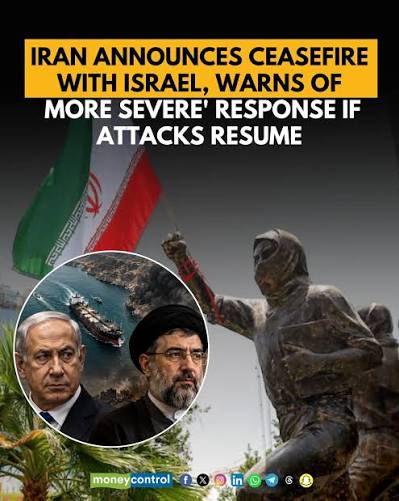
The fragile peace between Iran and Israel is once again under severe strain after both sides exchanged fresh strikes, raising fears that the Middle East could be heading toward another dangerous escalation. What appeared to be a pathway toward de-escalation has quickly become uncertain as military actions, diplomatic warnings, and international concern dominate global headlines.
Recent developments have highlighted how difficult it remains to maintain a lasting ceasefire between two of the region’s most powerful rivals. Fresh missile launches, retaliatory airstrikes, and increasingly sharp rhetoric have reignited concerns among governments, investors, and security experts worldwide. Reports indicate that the latest exchange of attacks followed disagreements over military operations linked to regional allies and disputed interpretations of existing ceasefire arrangements.
As the conflict reignites, world leaders are scrambling to prevent a wider regional war that could affect global energy supplies, international trade routes, and broader geopolitical stability.
Fresh Strikes Shake A Fragile Ceasefire

The latest crisis emerged after Iran launched missile attacks toward Israel, describing the move as a response to military actions connected to regional tensions involving Lebanon. Israeli forces subsequently carried out strikes on targets inside Iran, triggering another round of confrontation.
These incidents marked one of the most significant military exchanges since a ceasefire arrangement had reduced direct hostilities earlier in the year. While both governments signaled that they were not seeking an all-out war, military leaders on each side emphasized their readiness to respond forcefully to any future attacks.
The result is a tense security environment where even a limited incident has the potential to spark broader escalation.
Why The Ceasefire Is Under Pressure
Several factors have contributed to the renewed instability.
1. Disputes Over Regional Operations
One major source of tension involves military activity connected to Lebanon. Iranian officials have repeatedly warned that attacks affecting their regional allies could trigger responses against Israel. Meanwhile, Israeli leaders maintain that operations targeting hostile groups remain necessary for national security.
2. Unresolved Political Issues
The ceasefire never fully addressed deeper disagreements involving sanctions, regional influence, military deployments, and security guarantees. Analysts have warned for months that without a broader political settlement, the truce would remain vulnerable.
3. Mutual Distrust
Both countries continue to accuse each other of violating understandings reached during previous negotiations. This lack of trust makes crisis management significantly more difficult whenever violence occurs.
International Diplomatic Efforts Intensify
The latest exchange of strikes has triggered a wave of diplomatic activity.
The United States has continued urging both sides to exercise restraint and return to negotiations. Recent statements from American officials emphasized that renewed military escalation could undermine ongoing efforts aimed at establishing a broader peace framework.
Multiple governments across Europe and the Middle East have also called for immediate de-escalation. International organizations have warned that another prolonged conflict could produce severe humanitarian consequences while destabilizing already fragile regions.
Diplomats remain focused on preserving channels of communication that could prevent further military action.
Regional Security Concerns Grow
The conflict extends beyond the borders of Iran and Israel.
Security analysts note that regional actors including Lebanon-based groups, militias operating across the Middle East, and other aligned organizations could become involved if tensions continue rising. This creates the risk of a broader regional confrontation rather than a limited bilateral conflict.
Several neighboring countries have increased military readiness while monitoring developments closely. Governments across the Gulf region are particularly concerned about the impact of renewed hostilities on trade routes and energy infrastructure.
The possibility of miscalculation remains one of the greatest dangers. Even a localized military incident could rapidly draw additional actors into the conflict.
Impact On Global Oil Markets
One of the most immediate effects of renewed fighting has been volatility in energy markets.
Oil prices surged sharply following reports of missile attacks and retaliatory strikes. Traders feared potential disruptions to regional energy production and shipping routes, particularly around the strategically important Strait of Hormuz.
Although prices later stabilized after indications that military operations might be limited, market analysts continue to warn that future escalations could trigger significant increases in energy costs.
For consumers worldwide, sustained instability in the Middle East could contribute to higher fuel prices and broader inflationary pressures.
Humanitarian Consequences Remain A Major Concern
Beyond geopolitical calculations, civilians remain at the center of the crisis.
Communities across affected regions continue to face uncertainty as governments issue security warnings and emergency preparedness measures. Families living near potential military targets are particularly vulnerable to disruptions caused by missile alerts and defensive operations.
Humanitarian organizations have repeatedly stressed the importance of protecting civilians and maintaining access to essential services regardless of military developments.
If hostilities expand, displacement and humanitarian needs could increase significantly.
The Role Of Lebanon In The Current Crisis
Lebanon has emerged as a key factor in the latest escalation.
Recent Israeli operations linked to security concerns in Lebanon were cited as a trigger for Iranian retaliation. Tehran has repeatedly warned against actions affecting its regional partners, while Israeli officials argue that ongoing threats require continued military vigilance.
This dynamic illustrates how interconnected regional conflicts have become. Events in one country can rapidly influence security calculations across multiple borders.
As a result, diplomatic efforts aimed at reducing tensions increasingly focus not only on Iran and Israel but also on broader regional disputes.
What Military Experts Are Watching
Defense analysts are monitoring several indicators that could reveal whether the crisis is likely to worsen or improve.
These include:
- The scale of future military operations.
- Official government statements.
- Movements of military assets.
- Diplomatic engagement between major powers.
- Activity involving regional allied groups.
- Changes in energy market conditions.
Experts note that both sides currently appear interested in avoiding a full-scale war. However, maintaining restraint becomes increasingly difficult as military incidents accumulate.
Economic Risks Beyond Oil
While oil prices receive the most attention, broader economic risks are also significant.
Investors closely monitor Middle East security developments because the region plays a critical role in global trade and energy supply chains. Renewed conflict could affect shipping routes, insurance costs, investment flows, and financial markets.
Stock markets reacted cautiously to reports of fresh strikes, reflecting uncertainty regarding the conflict’s future trajectory.
Businesses operating internationally are also assessing contingency plans should regional instability continue.
Can Diplomacy Still Succeed?
Despite the latest violence, diplomatic opportunities remain.
Recent reports suggest that both Iran and Israel have at times signaled openness to ceasefire discussions, even while maintaining military pressure. International mediators continue working to preserve negotiation frameworks that could eventually lead to broader agreements.
Successful diplomacy would likely require addressing several difficult issues, including:
- Security guarantees.
- Regional military activity.
- Economic sanctions.
- Maritime access and trade.
- Long-term conflict management mechanisms.
Although progress remains uncertain, many policymakers believe diplomacy remains the only sustainable solution.
The Global Response
Countries around the world are closely following events.
Governments have issued travel advisories, updated security assessments, and engaged in diplomatic outreach aimed at reducing tensions. Some nations are preparing contingency plans in case the situation deteriorates further.
International institutions have also emphasized the importance of restraint and dialogue.
The widespread concern reflects recognition that a prolonged Iran-Israel conflict would have consequences extending far beyond the Middle East.
What Happens Next?
Several scenarios are possible.
Scenario 1: Return To Ceasefire
Diplomatic pressure succeeds, military actions stop, and negotiations resume.
Scenario 2: Limited Retaliatory Cycle
Both sides continue periodic exchanges while avoiding a major war.
Scenario 3: Wider Regional Escalation
Additional actors become involved, significantly expanding the conflict.
Scenario 4: Comprehensive Negotiations
International mediators facilitate broader agreements addressing long-standing disputes.
At present, analysts believe the first two scenarios remain the most likely, though risks remain elevated.
Conclusion
The latest ceasefire crisis demonstrates how fragile stability remains in the Middle East. Fresh strikes between Iran and Israel have reignited fears of broader conflict just as diplomatic efforts appeared to be gaining momentum. While both sides continue to signal a willingness to defend their interests, international pressure for restraint is growing rapidly.
The coming days will be critical. Whether leaders choose diplomacy or further escalation could shape regional security, global energy markets, and international relations for months to come. For now, the world watches closely as one of the most consequential geopolitical confrontations enters another uncertain chapter.
FAQs
What caused the latest Iran-Israel ceasefire crisis?
The latest tensions followed missile attacks and retaliatory strikes connected to regional security disputes, particularly involving military activity linked to Lebanon.
Are Iran and Israel officially at war?
The situation remains highly volatile. While both sides have exchanged military strikes, diplomatic efforts continue to prevent a broader war.
Why is the ceasefire fragile?
Key political and security disputes remain unresolved, creating ongoing risks of renewed confrontation.
How has the conflict affected oil prices?
Oil prices initially surged due to fears of supply disruptions before stabilizing as hopes for de-escalation emerged.
Could the conflict spread across the region?
Yes. Security experts warn that regional allies and armed groups could become involved if tensions continue escalating.
What role is the United States playing?
The United States has urged restraint, supported diplomatic initiatives, and encouraged both sides to pursue negotiations rather than military escalation.
How useful was this post?
Click on a star to rate it!
Average rating 0 / 5. Vote count: 0
No votes so far! Be the first to rate this post.
About the Author

usa5911.com
Administrator
Hi, I’m Gurdeep Singh, a professional content writer from India with over 3 years of experience in the field. I specialize in covering U.S. politics, delivering timely and engaging content tailored specifically for an American audience. Along with my dedicated team, we track and report on all the latest political trends, news, and in-depth analysis shaping the United States today. Our goal is to provide clear, factual, and compelling content that keeps readers informed and engaged with the ever-changing political landscape.