Iran Deal Showdown: Nuclear Talks Pressure, Strait Of Hormuz Tensions, World Reacts
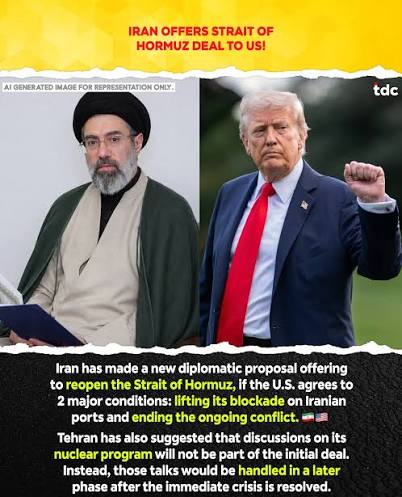
The global spotlight has returned to Iran as renewed nuclear negotiations and rising tensions around the Strait of Hormuz push world leaders into urgent diplomatic discussions. From Washington to Tehran, policymakers are weighing the risks of military escalation, economic instability, and a possible disruption to global energy markets.
The current situation has become one of the most closely watched geopolitical developments of 2026. International observers fear that failure in negotiations could trigger a wider regional crisis, while supporters of diplomacy argue that a successful agreement could stabilize energy supplies and reduce military tensions across the Middle East. Recent reports indicate that discussions involving the United States, Iran, Gulf states, and international mediators are intensifying amid growing concerns over maritime security and uranium enrichment.
Why The Iran Nuclear Talks Matter

The Iran nuclear issue has shaped international politics for decades. Concerns have consistently centered around Iran’s uranium enrichment activities and whether its nuclear program is intended for peaceful civilian purposes or military development.
The renewed negotiations come after months of heightened confrontation involving military strikes, economic sanctions, and shipping disruptions in the Persian Gulf region. According to recent reports, diplomatic channels are now attempting to secure a ceasefire framework tied to the reopening of the Strait of Hormuz and restrictions on nuclear activity.
Several world powers see the talks as essential for global stability because the consequences of failure could include:
- Increased oil prices worldwide
- Escalation of military conflict
- Expanded sanctions on Iran
- Further instability in global shipping routes
- Greater uncertainty in financial markets
Countries dependent on Middle Eastern energy exports are especially concerned about how events may unfold in the coming weeks.
Strait Of Hormuz Becomes Global Flashpoint
The Strait of Hormuz remains one of the most strategically important waterways on Earth. Roughly one-fifth of global oil shipments pass through this narrow maritime corridor connecting the Persian Gulf to international waters.
Recent developments have intensified fears surrounding shipping security in the region. Reports indicate that Iranian authorities and military forces have asserted increased control over maritime traffic during the ongoing crisis.
The situation escalated significantly after reports of military confrontations and disruptions to commercial shipping. Multiple international shipping companies reportedly altered routes or suspended operations due to security concerns.
Global energy analysts warn that any prolonged closure or disruption in the Strait of Hormuz could:
- Push oil prices sharply higher
- Increase inflation globally
- Disrupt fuel supplies in Asia and Europe
- Trigger stock market volatility
- Hurt manufacturing and transportation industries
The International Energy Agency and financial institutions are monitoring the crisis closely as traders react to every diplomatic statement and military movement.
US-Iran Negotiations Gain Momentum
Recent diplomatic efforts suggest that both the United States and Iran may be exploring a temporary framework to reduce tensions. Reports describe discussions involving sanctions relief, uranium controls, ceasefire arrangements, and maritime access agreements.
According to multiple reports, negotiators are discussing proposals that may include:
- Temporary suspension of certain nuclear activities
- Reopening of shipping routes in the Strait of Hormuz
- Limited sanctions relief
- Reduction of enriched uranium stockpiles
- Expanded international monitoring mechanisms
Although optimism exists in some diplomatic circles, major disagreements reportedly remain unresolved.
Political analysts note that negotiations are particularly sensitive because both sides face internal political pressure. Iranian leaders must balance national sovereignty concerns, while US officials face criticism from both supporters and opponents of diplomatic engagement.
Oil Markets React To Middle East Uncertainty
Financial markets have reacted quickly to every update involving Iran and the Strait of Hormuz. Energy prices surged earlier in the crisis as fears spread about potential supply disruptions. Analysts warn that even temporary shipping interruptions could have massive economic consequences.
Major economies including India, China, Japan, and European nations rely heavily on oil transported through the Persian Gulf. Any instability in the region therefore affects global inflation, transportation costs, and consumer prices.
Experts suggest that if tensions worsen:
- Crude oil prices could exceed major forecast levels
- Shipping insurance costs may rise sharply
- Airline fuel prices could increase
- Food and commodity prices may climb globally
Some energy analysts believe the crisis represents one of the most serious threats to global energy security in recent years.
Regional Powers Closely Watching The Crisis
Countries across the Middle East are deeply involved in diplomatic efforts surrounding the Iran situation. Gulf states, regional allies, and international mediators are attempting to prevent further escalation.
Recent reports suggest that Pakistan, Oman, and several Gulf nations have played mediation roles in ongoing negotiations.
Meanwhile, regional governments are strengthening maritime security cooperation to protect shipping lanes and oil infrastructure. Naval patrols and military readiness levels have reportedly increased in several strategic areas.
The crisis has also intensified geopolitical competition among global powers including:
- The United States
- China
- Russia
- European Union nations
- Gulf Cooperation Council states
Each actor has significant economic and strategic interests tied to the outcome of the negotiations.
How The World Is Reacting
Public reaction to the Iran showdown has spread rapidly across social media, financial markets, and international political forums. Online discussions reveal growing concern about:
- Rising fuel costs
- Risks of military conflict
- Nuclear proliferation fears
- Economic instability
- Potential impact on global trade
International media coverage has focused heavily on the possibility of either a breakthrough agreement or a dangerous escalation.
Many world leaders continue urging restraint while emphasizing diplomacy as the preferred solution. At the same time, military preparedness remains high in several countries connected to the region.
Global investors are also responding cautiously, with market volatility increasing whenever new headlines emerge regarding ceasefire negotiations or maritime security incidents.
Iran’s Position In The Talks
Iranian officials continue to insist that their nuclear program is intended for peaceful purposes. Tehran has repeatedly demanded sanctions relief and recognition of its sovereign rights under international law.
Reports indicate that Iranian negotiators are seeking guarantees regarding economic access and energy exports before agreeing to broader concessions.
Iran also views the Strait of Hormuz as strategically essential for national security and regional influence. Statements from Iranian officials suggest that control over maritime routes remains a major issue in negotiations.
Domestic political dynamics inside Iran further complicate the process. Hardline factions remain skeptical of Western intentions, while reform-minded groups argue that diplomatic engagement is necessary to stabilize the economy.
America’s Strategic Calculations
The United States faces difficult strategic choices as negotiations continue. Washington aims to prevent nuclear escalation while also protecting international shipping routes and regional allies.
US policymakers are balancing several objectives simultaneously:
- Preventing nuclear weapon development
- Maintaining regional military deterrence
- Stabilizing energy markets
- Protecting allied nations
- Avoiding prolonged military conflict
Reports suggest that American officials view the reopening of the Strait of Hormuz as a critical economic and security priority.
Political divisions within the United States also influence the debate. Some leaders support diplomacy and phased sanctions relief, while others advocate stronger pressure against Tehran.
Could A New Iran Deal Actually Happen?
The biggest question remains whether negotiators can successfully finalize a new agreement.
Several factors may improve the chances of progress:
- International pressure for de-escalation
- Economic strain on all sides
- Energy market instability
- Regional mediation efforts
- Fear of broader conflict
However, significant obstacles remain unresolved, including:
- Uranium enrichment limits
- Verification mechanisms
- Long-term sanctions policy
- Military security guarantees
- Regional proxy conflicts
Experts caution that even if a temporary agreement is reached, lasting stability will require extensive follow-up negotiations and international cooperation.
Economic Impact Could Reach Every Household
One reason the Iran crisis attracts global attention is its direct connection to everyday economic life. Energy costs influence transportation, food prices, manufacturing, and consumer inflation worldwide.
If tensions escalate further, ordinary consumers may experience:
- Higher gasoline and diesel prices
- Increased airline ticket costs
- More expensive imported goods
- Inflationary pressure on household budgets
Businesses dependent on shipping and fuel-intensive operations are already evaluating contingency plans in case the situation worsens.
Financial analysts note that investor confidence often weakens during periods of geopolitical instability, increasing pressure on global stock markets and currencies.
Media Coverage And Social Media Reactions
The Iran Deal Showdown has dominated headlines across international news outlets. Television networks, financial media, and geopolitical analysts continue providing constant updates on negotiations and military developments.
Social media users have also fueled intense debate online. Hashtags connected to Iran, the Strait of Hormuz, oil prices, and nuclear talks have trended globally as people react to breaking developments.
Some users express hope that diplomacy could prevent further conflict, while others fear that tensions may spiral into a wider regional confrontation.
Online reactions also reflect broader concerns about:
- Global energy security
- Economic uncertainty
- Military escalation
- International diplomacy
- Middle East stability
The Future Of The Middle East Balance
The outcome of the Iran negotiations could reshape the political and economic future of the Middle East for years to come.
A successful agreement may:
- Reduce regional tensions
- Restore some energy market stability
- Improve diplomatic relations
- Encourage broader regional cooperation
On the other hand, failed negotiations could intensify military competition and deepen geopolitical rivalries.
International observers increasingly view the current talks as one of the defining diplomatic tests of 2026.
Conclusion
The Iran Deal Showdown has become a defining global story involving nuclear diplomacy, maritime security, energy markets, and geopolitical strategy. As negotiations continue, the world is watching closely to see whether diplomacy can succeed in preventing further escalation.
The Strait of Hormuz remains central to the crisis because of its enormous importance to global trade and oil transportation. Meanwhile, nuclear negotiations continue under intense international pressure as leaders attempt to balance security concerns with economic stability.
Whether the talks end in compromise or confrontation, the outcome will likely influence global politics, energy prices, and regional security for years ahead. Governments, investors, and ordinary citizens alike remain focused on every development emerging from the Middle East.
FAQs
What is the Iran Deal Showdown?
The Iran Deal Showdown refers to ongoing tensions involving Iran’s nuclear negotiations, sanctions discussions, and disputes surrounding the Strait of Hormuz.
Why is the Strait of Hormuz important?
The Strait of Hormuz is one of the world’s most important oil shipping routes. A large percentage of global oil exports pass through the waterway.
Why are nuclear talks with Iran significant?
The talks aim to address concerns about Iran’s uranium enrichment program while reducing regional tensions and preventing military escalation.
How could the crisis affect oil prices?
Any disruption in the Strait of Hormuz could reduce global oil supplies, leading to higher fuel prices and increased inflation worldwide.
Which countries are involved in the negotiations?
The United States, Iran, Gulf states, European countries, and regional mediators are involved directly or indirectly in diplomatic discussions.
Could a new Iran nuclear deal happen soon?
Negotiations are ongoing, but major disagreements remain unresolved. Analysts say a temporary agreement is possible, though long-term stability may take more time.
How does the crisis impact global markets?
The situation affects energy prices, shipping costs, investor confidence, and inflation across multiple economies worldwide.
What happens if talks fail?
Failed negotiations could increase regional military tensions, disrupt shipping routes, and create greater economic instability globally.
How useful was this post?
Click on a star to rate it!
Average rating 0 / 5. Vote count: 0
No votes so far! Be the first to rate this post.
About the Author

usa5911.com
Administrator
Hi, I’m Gurdeep Singh, a professional content writer from India with over 3 years of experience in the field. I specialize in covering U.S. politics, delivering timely and engaging content tailored specifically for an American audience. Along with my dedicated team, we track and report on all the latest political trends, news, and in-depth analysis shaping the United States today. Our goal is to provide clear, factual, and compelling content that keeps readers informed and engaged with the ever-changing political landscape.