Hasan Piker Controversy: Political Streaming Clash, Online Backlash, Internet Reacts
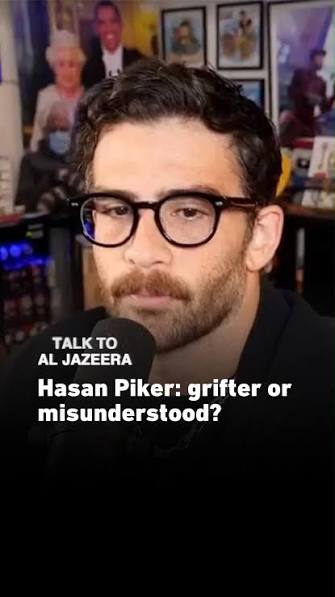
The online world has once again turned its attention toward Hasan Piker, one of the most recognizable political streamers on the internet. Known widely by his online alias “HasanAbi,” Piker has become a central figure in digital political discourse, livestream commentary, and online activism. However, alongside his massive popularity comes recurring controversy, criticism, and heated internet debate.
In recent months, the Hasan Piker controversy has intensified across platforms including Twitch, YouTube, X, Reddit, and TikTok. Critics accuse him of inflammatory rhetoric, divisive political commentary, and controversial takes on global conflicts, while supporters argue that he is being unfairly targeted because of his progressive views and outspoken criticism of governments and institutions.
The controversy has evolved far beyond internet drama. Political figures, journalists, activists, and even campaign strategists are now debating whether Hasan Piker represents the future of political media or a dangerous escalation of influencer-driven politics.
Who Is Hasan Piker?

Hasan Piker is an American political commentator, Twitch streamer, and online influencer who rose to fame through progressive political commentary and reaction content. He originally worked with The Young Turks before building his independent streaming career.
Today, Hasan Piker is among the most influential political streamers online, with millions of followers across Twitch, YouTube, and social media platforms.
His livestreams typically focus on:
- U.S. politics
- International conflicts
- Social justice discussions
- Pop culture commentary
- Online debates
- Internet reactions
Supporters praise his ability to engage younger audiences in politics, while critics argue that his commentary can become aggressive, polarizing, or irresponsible.
Why Is Hasan Piker Trending?
The latest Hasan Piker controversy stems from several overlapping issues that have sparked widespread online backlash.
These include:
- Political campaign appearances
- Comments on Israel and Palestine
- Accusations of antisemitic rhetoric
- Debates over socialism and foreign policy
- Viral clips shared across social media
- Criticism from mainstream political voices
Recent reporting shows that Hasan Piker’s involvement in progressive political campaigns has caused significant debate within Democratic circles.
Some Democratic strategists believe figures like Piker help connect with younger voters who consume political content online rather than through traditional media. Others fear his controversial statements could damage political campaigns.
Political Streaming Changes Modern Media
The Hasan Piker controversy also reflects a much larger shift happening in digital media.
Traditional television news no longer dominates political conversation for younger audiences. Instead, livestreaming platforms such as Twitch, YouTube, and TikTok increasingly shape public opinion.
Political streamers now function similarly to:
- Radio hosts
- Television commentators
- Influencers
- Community leaders
- Real-time news analysts
This transformation has made personalities like Hasan Piker extremely influential online.
According to recent interviews, Piker describes his streams as an alternative form of political media where audiences consume live commentary throughout the day.
Many experts believe livestream political commentary is becoming one of the defining communication tools of modern internet culture.
Criticism Over Political Rhetoric
One of the biggest reasons behind the Hasan Piker backlash involves criticism of his rhetoric and past comments.
Some critics accuse him of:
- Using inflammatory language
- Promoting divisive political narratives
- Making controversial jokes
- Encouraging hostile online behavior
- Spreading extreme ideological messaging
Several political commentators and media figures have publicly criticized his influence.
In particular, debates surrounding Israel, Palestine, and U.S. foreign policy have intensified scrutiny of his statements.
Opponents argue that some of his remarks cross acceptable political boundaries, while supporters insist clips are often taken out of context to create outrage online.
This disagreement has fueled ongoing culture-war debates across social media.
Supporters Defend Hasan Piker
Despite criticism, Hasan Piker continues to maintain a large and highly loyal fanbase.
Supporters argue that:
- He challenges mainstream narratives
- He speaks openly about inequality
- He engages young voters
- He criticizes powerful institutions
- He encourages political participation
Many fans believe attacks against him are politically motivated attempts to silence progressive voices online.
Reddit discussions surrounding the Hasan Piker controversy reveal deep divisions between critics and supporters.
Some users argue that political opponents deliberately amplify controversies to weaken left-wing online creators.
Others believe the backlash simply reflects the consequences of highly confrontational online commentary.
Social Media Amplifies Online Controversy
Social media platforms play a major role in accelerating controversies involving online creators.
Clips from livestreams can spread across:
- X
- TikTok
- Instagram Reels
- YouTube Shorts
- Reddit threads
Often, short clips remove context, leading to viral outrage cycles.
This environment rewards emotional reactions, conflict, and rapid engagement. As a result, internet controversies can escalate within hours.
Research into digital political engagement suggests controversial online personalities frequently generate higher visibility and audience interaction.
In Hasan Piker’s case, supporters and critics alike contribute to his online visibility by continuously debating his content.
Democrats Divided Over Hasan Piker
The Hasan Piker controversy has now entered mainstream American political discussion.
Reports indicate that some progressive candidates are actively collaborating with Piker to reach younger audiences.
However, moderate Democrats remain concerned about:
- Electability
- Public image
- Online extremism accusations
- Media backlash
- Voter perception
This has created a broader debate about how political parties should engage with internet personalities.
Should politicians appear on livestreams hosted by controversial creators?
Can influencers replace traditional campaign outreach?
Does internet fame translate into political power?
These questions are becoming increasingly important in modern elections.
The Role of Internet Culture
The Hasan Piker controversy is also deeply connected to internet culture itself.
Modern internet communities often operate through:
- Tribal loyalty
- Meme culture
- Viral outrage
- Parasocial relationships
- Algorithm-driven engagement
Political creators build communities that feel emotionally connected to them. This creates intense loyalty but also intense backlash.
When controversies emerge, supporters and critics rapidly organize online campaigns defending or attacking creators.
Hasan Piker’s situation reflects how internet fame can blur the line between:
- Entertainment
- Journalism
- Activism
- Political influence
This hybrid role makes online political personalities uniquely powerful and controversial.
Twitch and Political Content
Twitch was originally associated primarily with gaming content, but political livestreaming has become increasingly popular.
Creators like Hasan Piker helped transform Twitch into a platform for:
- Political debates
- News reactions
- Election coverage
- Social commentary
- Real-time audience interaction
This shift changed how younger audiences consume political information.
Unlike traditional television, livestreams allow creators to speak directly to audiences for hours each day, building stronger community relationships.
However, critics argue this format can also spread misinformation, emotional polarization, and ideological echo chambers.
Online Backlash and Cancel Culture Debate
Another major aspect of the Hasan Piker controversy involves discussions around cancel culture.
Supporters claim:
- Online critics intentionally misrepresent him
- Political opponents weaponize controversy
- Selective outrage targets progressive creators
Critics argue:
- Public figures must face accountability
- Influencers should be responsible for rhetoric
- Large audiences increase ethical responsibility
This debate reflects broader tensions surrounding online speech and platform influence.
Questions about free speech, moderation, and accountability continue to dominate internet discourse.
The Influence of Political Influencers
The controversy surrounding Hasan Piker demonstrates how online influencers increasingly shape political conversation.
Traditional journalists no longer control political narratives alone.
Today, influencers can:
- Mobilize audiences
- Fundraise for campaigns
- Shift online discussions
- Influence voter opinions
- Create viral political moments
This influence has forced political institutions to adapt to internet-driven communication strategies.
Whether viewed positively or negatively, Hasan Piker represents a major example of this new media reality.
Critics Say Online Politics Encourages Toxicity
Some experts warn that controversy-driven content can encourage toxic behavior online.
Studies examining political communication suggest emotionally charged discussions often receive stronger engagement.
Critics argue this creates incentives for:
- Outrage
- Conflict
- Polarization
- Hostile rhetoric
- Extreme content
Supporters counter that passionate political discussion has always existed and that internet platforms simply make those conversations more visible.
The disagreement highlights ongoing concerns about how digital platforms shape public debate.
Hasan Piker’s Lasting Influence
Regardless of criticism, Hasan Piker remains one of the most influential political creators online.
His audience continues to grow, and political campaigns increasingly recognize the importance of digital influencers in reaching younger demographics.
The Hasan Piker controversy may eventually become remembered as part of a much larger transformation in media and politics:
- The rise of livestream politics
- Influencer-driven campaigns
- Internet-first journalism
- Social media activism
- Algorithm-powered public discourse
As online media evolves, controversies involving creators like Hasan Piker will likely continue shaping political culture worldwide.
FAQS
Who is Hasan Piker?
Hasan Piker is an American Twitch streamer and political commentator known for progressive political content and livestream discussions.
Why is Hasan Piker controversial?
He faces criticism over political commentary, foreign policy opinions, livestream rhetoric, and controversial statements shared online.
What platform is Hasan Piker famous on?
Hasan Piker became widely known through Twitch livestreaming, though he also has a major audience on YouTube and social media platforms.
Why are politicians connected to Hasan Piker?
Some progressive political campaigns collaborate with online creators like Hasan Piker to reach younger internet audiences.
What do supporters say about Hasan Piker?
Supporters argue he encourages political engagement, challenges mainstream narratives, and represents younger online communities.
What do critics say about Hasan Piker?
Critics accuse him of divisive rhetoric, inflammatory political commentary, and contributing to online polarization.
Is Hasan Piker one of the biggest political streamers?
Yes. Hasan Piker is considered one of the most influential political livestream personalities online today.
How useful was this post?
Click on a star to rate it!
Average rating 0 / 5. Vote count: 0
No votes so far! Be the first to rate this post.
About the Author

usa5911.com
Administrator
Hi, I’m Gurdeep Singh, a professional content writer from India with over 3 years of experience in the field. I specialize in covering U.S. politics, delivering timely and engaging content tailored specifically for an American audience. Along with my dedicated team, we track and report on all the latest political trends, news, and in-depth analysis shaping the United States today. Our goal is to provide clear, factual, and compelling content that keeps readers informed and engaged with the ever-changing political landscape.