The United States is facing a serious public health crisis as measles cases continue to rise across the country. A disease that American health authorities declared eliminated in 2000 has returned to sustained transmission, raising concerns about vaccination rates, public confidence in medical advice and the country’s ability to control preventable infections.
The latest developments have made the situation even more alarming. On November 17, 2026, the Pan American Health Organization (PAHO) confirmed that the United States had lost its measles elimination status after 26 years. The decision followed more than a year of continuous transmission of the virus.
Meanwhile, new deaths have added urgency to the national debate over childhood vaccination. Pennsylvania confirmed another measles-associated death on November 18, bringing its reported total for 2026 to eight.
The outbreak highlights the consequences of declining vaccination coverage and growing vaccine hesitancy. Health experts have repeatedly warned that measles can spread rapidly when vaccination rates fall below the levels needed to protect entire communities.
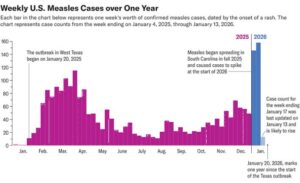
According to the latest available Centers for Disease Control and Prevention (CDC) figures, the country had recorded 5,412 confirmed measles cases by November 12, 2026. This is the highest annual total in more than three decades.
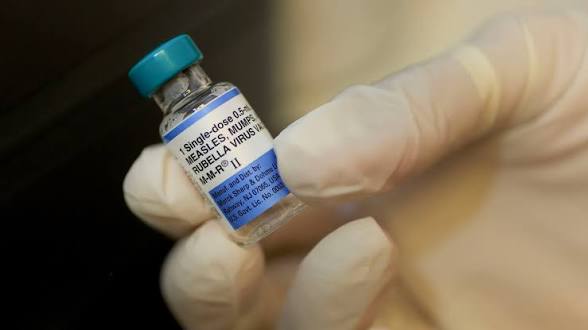
The situation is particularly concerning because measles is a highly contagious but preventable disease. The two-dose measles, mumps and rubella (MMR) vaccine provides approximately 97% protection against measles.
As cases and deaths increase, the US measles outbreak has become a major test for public health authorities, healthcare professionals and policymakers.
America Loses Measles Elimination Status After 26 Years
One of the most significant developments came on November 17, when PAHO confirmed that the United States no longer met the requirements for measles elimination.
The country achieved elimination status in 2000 after successfully interrupting continuous domestic transmission of the virus.
This achievement followed decades of vaccination campaigns, improved disease surveillance and coordinated public health efforts.
However, elimination never meant that measles had disappeared permanently. International travel could still bring infected individuals into the country. The difference was that local transmission chains were generally stopped before the virus could circulate continuously.
The latest PAHO decision reflects a major change.
According to the regional health agency, the same measles virus lineage continued circulating in the United States for at least 12 months. This met the criteria for reestablished endemic transmission.
The ruling also affected Mexico and Bolivia, which lost their elimination status.
The decision represents a significant setback for American public health.
It also demonstrates how quickly progress against infectious diseases can be reversed when vaccination coverage declines and outbreaks are not contained effectively.
According to Reuters, the United States must submit a corrective action plan explaining how it intends to strengthen vaccination, disease monitoring and outbreak response.
The country must also demonstrate that it has interrupted transmission for 12 consecutive months to regain its elimination status.
For health officials, restoring public confidence in vaccination will be an important part of that effort.
Reuters+1
US Measles Cases Reach Their Highest Level In More Than 30 Years
The latest outbreak statistics reveal the scale of the problem.
The CDC reported 5,412 confirmed measles cases in the United States as of November 12, 2026. These cases were reported across 47 jurisdictions.
The figure represents a substantial increase compared with previous years.
For comparison, the United States recorded 2,289 confirmed cases during the whole of 2025. In 2024, the country reported just 285 cases.
The increase shows how rapidly measles has spread.
According to the CDC, 43 new outbreaks had been reported during 2026 by November 12. Approximately 96% of confirmed cases were associated with outbreaks.
This means the majority of infections were connected to known transmission chains rather than isolated cases.
The numbers also demonstrate that the disease is no longer limited to a small number of communities.
Multiple states have reported infections, placing additional pressure on hospitals, schools, public health departments and vaccination programmes.
The CDC figures are preliminary and may change as additional cases are investigated and confirmed.
| Year | Confirmed US measles cases |
|---|---|
| 2024 | 285 |
| 2025 | 2,289 |
| 2026 (through November 12) | 5,412 |
The 2026 total is particularly significant because it exceeds the annual totals recorded in recent decades.
It also shows why public health experts are concerned about the possibility of continued transmission into 2027.
CDC+1
Rising Measles Deaths Raise Fresh Public Health Concerns
The growing number of infections has been accompanied by an increase in measles-associated deaths.
Pennsylvania has emerged as one of the most severely affected states. On November 18, state officials confirmed the eighth measles-associated death in Pennsylvania during 2026.
The latest victim was an unvaccinated resident of Clinton County. Officials did not release further personal details.
Pennsylvania has reported approximately 1,589 confirmed cases across 46 counties, along with 315 hospitalizations.
The state’s death toll highlights the seriousness of the outbreak, particularly for people who have not received recommended vaccinations.
Other states have also reported measles-associated fatalities. Wisconsin has reported deaths, while New York recently recorded its first known measles-associated death in more than 30 years.
There is an important distinction between state and federal death figures.
As of November 12, the CDC listed six confirmed US measles deaths for 2026. However, state health departments have reported higher numbers. The difference reflects changes in federal death-tracking methods and the way cases are classified.
Reuters reported that 13 people had died from measles across the United States since 2025, based on the available state and national reporting.
These differences demonstrate the importance of consistent public health reporting. Accurate figures help authorities understand the outbreak and communicate risks to the public.
Measles can cause severe complications, including pneumonia, brain inflammation and, in some cases, death.
Young children, pregnant women and people with weakened immune systems face particular risks.
Although many infected people recover, the disease should never be treated as a harmless childhood illness.
Reuters+3
Vaccine Hesitancy Is Contributing To The Measles Resurgence
Vaccine hesitancy has become a major concern during the current outbreak.
Health experts have repeatedly identified declining vaccination coverage as an important factor behind the spread of measles.
Vaccines have played a central role in controlling infectious diseases in the United States. However, public confidence in vaccination has faced challenges in recent years.
Some parents delay childhood vaccinations because of concerns about potential side effects. Others question medical recommendations after encountering misleading information online.
Religious and personal beliefs can also influence vaccination decisions.
The COVID-19 pandemic further complicated public attitudes towards vaccines. Disagreements over restrictions, mandates and government health policies contributed to declining trust in some healthcare institutions.
As a result, misinformation about vaccines has become a significant public health challenge.
Measles is particularly dangerous in communities with low vaccination coverage because the virus spreads extremely easily.
An infected person can transmit the disease to others before they realise they are sick. Consequently, a single imported case can trigger a large outbreak in a community with insufficient immunity.
Experts have warned that vaccination gaps allow preventable diseases to return even after years of successful control.
The current US measles outbreak illustrates this concern.
However, vaccine hesitancy is not the only factor. Disruptions to routine childhood immunisation during the COVID-19 pandemic, unequal access to healthcare and local vaccination gaps have also contributed to declining protection.
Addressing these problems requires more than simply increasing vaccine availability.
Public health agencies must also communicate clearly, respond to legitimate questions and provide reliable medical information.
MMR Vaccination Rates Fall Below The 95% Protection Target
One of the clearest warning signs is the decline in measles vaccination coverage among American kindergarten students.
The CDC reports that MMR vaccination coverage fell from 95.2% during the 2019–2020 school year to 92.4% during the 2025–2026 school year.
This decline is important because health experts generally recommend vaccination coverage above 95% to maintain community protection against measles.
Community immunity, often called herd immunity, helps protect people who cannot receive vaccines for medical reasons.
These individuals include certain patients with weakened immune systems and babies who are too young for routine vaccination.
When vaccination coverage falls, the virus has more opportunities to spread.
Even communities with relatively high overall vaccination rates can experience outbreaks if certain neighbourhoods, schools or social networks have significantly lower coverage.
The CDC estimates that approximately 280,000 kindergarten students were at risk during the 2025–2026 school year because of incomplete MMR vaccination coverage.
This figure highlights the scale of the protection gap.
The problem is not simply the national average. Local vaccination rates matter enormously.
A state might report relatively strong vaccination coverage overall while individual counties have much lower rates.
These local gaps can create conditions for rapid transmission.
Therefore, health officials must identify vulnerable communities and improve vaccination access before outbreaks begin.
CDC+2
Why Measles Spreads So Quickly
Measles is among the most contagious infectious diseases.
The virus spreads primarily through the air when an infected person coughs, sneezes or breathes.
People who have not developed immunity can become infected after exposure to contaminated air.
The virus can also remain infectious in the air for up to two hours after an infected person leaves an enclosed space.
This makes measles especially difficult to control in crowded environments.
Schools, childcare facilities, healthcare settings and public transportation can become locations where transmission occurs.
Another challenge is that infected people may spread the virus before the characteristic skin rash appears.
The early symptoms can resemble those of common respiratory infections.
These include:
High fever.
Persistent cough.
Runny nose.
Red or watery eyes.
General tiredness.
Small white spots inside the mouth, known as Koplik spots.
A red rash that typically begins on the face and spreads across the body.
Symptoms usually develop around 7 to 14 days after exposure, although the timing can vary.
The rash often appears several days after the initial symptoms.
Because measles spreads so easily, suspected cases require prompt medical assessment.
Anyone who believes they may have measles should contact a healthcare provider before visiting a clinic or hospital. This allows medical staff to arrange appropriate precautions and reduce the risk of exposing other patients.
Serious Complications Can Affect Children And Adults
Measles is not simply a temporary rash accompanied by fever.
The infection can cause serious health complications, particularly among young children and vulnerable individuals.
Pneumonia is one of the most common severe complications. It can cause breathing difficulties and may require hospital treatment.
Another dangerous complication is encephalitis, an inflammation of the brain.
Although uncommon, encephalitis can cause seizures, permanent neurological damage and, in severe cases, death.
Measles can also lead to dehydration, ear infections and other complications.
A rare but serious condition called subacute sclerosing panencephalitis (SSPE) can develop years after an initial measles infection. It causes progressive neurological deterioration and is usually fatal.
These complications demonstrate why prevention remains essential.
There is currently no specific antiviral treatment that cures measles. Medical care focuses on managing symptoms, treating complications and providing supportive treatment.
Vitamin A may be recommended by healthcare professionals for certain patients with measles. However, it is not a substitute for vaccination, and excessive vitamin A can be harmful.
For families, the best protection remains following recommended immunisation schedules and seeking medical advice when exposure occurs.
How Effective Is The MMR Vaccine?
The measles, mumps and rubella vaccine remains the most effective tool for preventing measles.
According to public health guidance, two doses of the MMR vaccine provide approximately 97% protection against measles.
One dose provides approximately 93% protection.
The vaccine also helps reduce the likelihood of severe illness and community transmission.
Routine childhood vaccination schedules generally recommend:
First MMR dose at 12 to 15 months of age.
Second MMR dose at 4 to 6 years of age.
Recommendations may differ for certain groups, including international travellers and people who are at increased risk.
Adults who are unsure about their vaccination history should consult a healthcare professional to determine whether they need additional protection.
Some individuals cannot receive the live MMR vaccine because of particular medical conditions. These people depend partly on high vaccination coverage within their communities.
This is another reason why maintaining strong immunisation rates is essential.
The vaccine has been extensively studied and used for decades. Like other medical interventions, it can cause side effects, but serious reactions are rare.
Common reactions include temporary soreness at the injection site, mild fever and a temporary rash.
For most eligible individuals, the benefits of vaccination substantially outweigh the risks associated with measles infection.
cidrap.umn.edu+2
Political Debate Adds Complexity To America’s Vaccine Crisis
The measles resurgence has also intensified political disagreements over public health policy.
US Health Secretary Robert F. Kennedy Jr. has faced scrutiny over his previous statements questioning vaccine safety and the effectiveness of established vaccination policies.
Critics argue that public doubts expressed by influential political figures can weaken confidence in childhood immunisation.
They also warn that inconsistent government messaging makes it harder for families to distinguish established scientific evidence from misinformation.
The timing of the outbreak has increased pressure on federal health officials.
According to Reuters, the rise in measles infections has coincided with declining childhood vaccination rates and growing vaccine hesitancy.
Kennedy has said the administration supports efforts to regain measles elimination status. He has also recommended vaccination while promising additional medical guidance for healthcare professionals and families.
The CDC has continued to identify MMR vaccination as the most effective protection against measles.
However, the debate extends beyond individual politicians.
Public health experts argue that restoring confidence requires consistent communication, transparent research and stronger cooperation between federal, state and local authorities.
Parents need access to accurate information about vaccine benefits, possible side effects and the consequences of remaining unprotected.
The current crisis shows that public health messaging must be based on scientific evidence and communicated clearly.
Reuters+1
Pennsylvania Becomes A Major Centre Of The Outbreak
Pennsylvania has become a major focus of the national measles crisis.
The state has recorded more than 1,500 confirmed cases during 2026, with infections reported across dozens of counties.
The increasing number of hospitalisations and deaths has raised concerns about the effectiveness of local outbreak control measures.
The latest reported death on November 18 brought Pennsylvania’s 2026 measles-associated death toll to eight.
Health authorities are working to identify infections, monitor exposed individuals and encourage vaccination.
The outbreak also demonstrates how quickly measles can move beyond its initial location.
People travel between communities for work, education, shopping and family activities. Consequently, an infection in one county can create risks for neighbouring areas.
Schools and childcare facilities face particular challenges because children spend extended periods together indoors.
Healthcare facilities must also take additional precautions when treating suspected cases.
The situation highlights the importance of early detection.
Public health officials need to identify infected individuals quickly, trace potential exposures and provide appropriate vaccination guidance.
Without these measures, local outbreaks can become much larger.
Reuters+1
What Is The US Government Doing To Control The Outbreak?
Federal and state authorities face several challenges as they attempt to contain the spread of measles.
The CDC has said it remains committed to stopping outbreaks and restoring the country’s elimination status.
Its response involves several important areas.
1. Strengthening vaccination programmes
Increasing MMR vaccination coverage is one of the most important priorities.
Health departments are encouraging families to check childhood immunisation records and complete recommended vaccine schedules.
2. Improving disease surveillance
Authorities need accurate and timely information about new infections.
Better surveillance allows officials to identify outbreaks and respond before transmission spreads further.
3. Supporting state health departments
State and local health agencies are responsible for much of the direct outbreak response.
Federal support can provide additional technical assistance, laboratory resources and public health guidance.
4. Educating families
Clear information can help parents make informed decisions.
Healthcare professionals also play an important role in addressing concerns about vaccine safety.
5. Protecting vulnerable communities
Infants, immunocompromised individuals and people who cannot receive certain vaccines need additional protection.
Health departments must pay particular attention to communities with low vaccination coverage.
The CDC has also highlighted the importance of cooperation between healthcare providers, schools and community leaders.
These efforts will be essential if the United States hopes to stop continuous transmission.
Can America Regain Its Measles Elimination Status?
Although the United States has lost its elimination status, the decision does not mean that the country cannot regain it.
The PAHO determination is based on the continued circulation of the same measles virus lineage for at least 12 months.
To regain elimination status, the country must interrupt endemic transmission and demonstrate that the virus has not continued spreading domestically for 12 consecutive months.
Authorities must also submit a corrective action plan describing the measures they will implement.
The plan is expected to address vaccination coverage, disease surveillance and outbreak response.
However, achieving this goal will require sustained cooperation.
Simply increasing vaccination rates for a few months may not be enough. Communities must maintain strong protection over time.
Public health agencies also need to address local vaccination gaps, improve access to healthcare and respond quickly when imported infections occur.
The challenge is significant, but measles elimination remains an achievable public health objective.
The experience of the United States before 2000 demonstrates what coordinated vaccination programmes can accomplish.
The current outbreak is a reminder that such achievements require continued investment and public participation.
Reuters+1
What The US Measles Outbreak Means For Global Public Health
The American measles resurgence has implications beyond the country’s borders.
International travel allows infectious diseases to move between countries within hours.
When measles circulates continuously in one country, infected travellers can introduce the virus into other communities.
The loss of US elimination status is therefore an important development for international public health.
Mexico and Bolivia have also lost their elimination designations, highlighting wider challenges across the Americas.
The situation reinforces the importance of international cooperation.
Countries must maintain strong childhood vaccination programmes, share disease surveillance information and respond quickly to imported infections.
It also demonstrates that the elimination of a disease does not mean the threat has disappeared permanently.
Measles remains present in different parts of the world. International travel can therefore create opportunities for outbreaks wherever vaccination coverage is insufficient.
For the United States, restoring elimination status will require more than controlling individual outbreaks.
It will require rebuilding a reliable system of community protection.
Conclusion: US Measles Outbreak Exposes The Cost Of Declining Vaccination Rates
The US measles outbreak has become one of the most significant public health challenges facing the country in 2026.
With 5,412 confirmed cases recorded by November 12, rising deaths and the loss of measles elimination status, the crisis represents a major reversal of decades of progress.
Declining MMR vaccination coverage, vaccine hesitancy and local immunity gaps have created conditions in which the highly contagious virus can spread.
The latest developments in Pennsylvania demonstrate the human cost of the resurgence.
Although the federal government and state health departments are working to contain the disease, restoring public confidence will remain a major challenge.
The evidence supporting measles vaccination is well established. Two MMR doses provide approximately 97% protection, making vaccination the most effective prevention strategy.
Ultimately, controlling the outbreak will require stronger immunisation programmes, transparent public health communication and cooperation between families, healthcare providers and government agencies.
The United States successfully eliminated continuous measles transmission in 2000. Whether it can achieve that milestone again will depend on the actions taken now.
Frequently Asked Questions (FAQs)
1. Why is the US experiencing a major measles outbreak in 2026?
The United States is experiencing a major measles outbreak because of declining vaccination coverage, vaccine hesitancy, local immunity gaps and disruptions to routine childhood immunisation. These factors have allowed the highly contagious virus to spread through vulnerable communities.
2. How many measles cases have been reported in the US in 2026?
According to the CDC, 5,412 confirmed measles cases had been reported in the United States as of November 12, 2026. The cases were reported across 47 jurisdictions.
3. How many people have died from measles in the US?
The CDC listed six confirmed measles deaths in 2026 as of November 12. However, state-level reports recorded additional deaths. Pennsylvania confirmed its eighth measles-associated death of 2026 on November 18. Differences reflect reporting and classification methods.
4. Has the United States lost its measles elimination status?
Yes. On November 17, 2026, the Pan American Health Organization confirmed that the United States had lost its measles elimination status after 26 years because the same virus lineage continued circulating for more than 12 months.
5. What is causing vaccine hesitancy in America?
Vaccine hesitancy is influenced by concerns about side effects, misinformation, personal and religious beliefs, declining trust in healthcare institutions and confusion surrounding vaccine recommendations.
6. How effective is the MMR vaccine against measles?
Two doses of the MMR vaccine provide approximately 97% protection against measles. One dose provides approximately 93% protection.
7. What are the early symptoms of measles?
Early symptoms include high fever, cough, runny nose and red or watery eyes. Small white spots may develop inside the mouth, followed by a red rash that usually begins on the face and spreads across the body.
8. Is measles a dangerous disease?
Yes. Measles can cause pneumonia, brain inflammation, dehydration and other serious complications. Young children, pregnant women and people with weakened immune systems are particularly vulnerable.
9. Can the United States regain measles elimination status?
Yes. The country must interrupt continuous domestic transmission and demonstrate that it has remained free of endemic transmission for 12 consecutive months. It must also implement a corrective action plan.
10. How can people protect themselves against measles?
Following recommended MMR vaccination schedules is the most effective protection. People who are unsure about their vaccination history should consult a healthcare professional. Anyone with suspected measles should seek medical advice before visiting a healthcare facility.
About the Author