Pickaxe Target:Trump Issues Warning Over Iran Bunker,Terror
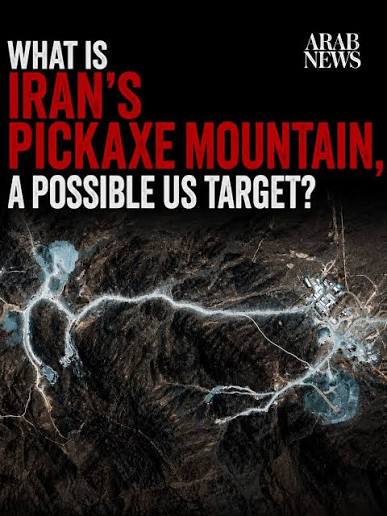
The Middle East is facing another major security crisis as tensions between the United States and Iran continue to increase. Former and current U.S. officials have focused attention on Iran’s deeply buried nuclear facilities, with President Donald Trump warning that the United States could target the site known as Pickaxe Mountain.
The warning has created international concern because Pickaxe Mountain is considered one of Iran’s most protected underground locations. The facility is believed to be connected to Iran’s nuclear program and has become a symbol of the growing confrontation between Washington and Tehran.
Trump’s comments have increased fears of a wider conflict. Security experts warn that any attack on a highly protected nuclear-related site could trigger retaliation, increase regional instability, and create new risks involving militant groups and terrorist networks.
Trump’s Pickaxe Mountain Warning Explained
President Trump has repeatedly warned Iran that the United States is prepared to take stronger action against locations connected to its nuclear activities. In an interview, Trump said the U.S. would “take out” Pickaxe Mountain and told Iran to be prepared.
The statement immediately attracted global attention because Pickaxe Mountain is not an ordinary military location. It is a deeply underground facility designed to protect important equipment from conventional attacks.
According to reports, the location is near Iran’s Natanz nuclear complex, a site that has been central to international concerns over uranium enrichment activities.
The possibility of targeting such a facility raises difficult military questions. Destroying underground structures requires advanced weapons, detailed intelligence, and careful planning.
Why Pickaxe Mountain Has Become a Major Target
Iran has invested heavily in underground facilities. These locations are designed to protect strategic assets from airstrikes and surveillance.
Pickaxe Mountain has gained attention because analysts believe Iran may have moved sensitive nuclear-related equipment into deeply buried areas. Some reports suggest that centrifuge-related activities could be connected to the site, although details remain debated.
The facility represents a major challenge for any military operation because:
- It is located deep underground.
- It is protected by layers of rock and construction material.
- Traditional airstrikes may have limited effectiveness.
- Any attack could lead to a strong Iranian response.
Military experts say that hitting underground facilities is one of the most complicated operations in modern warfare.
Rising Iran–U.S. Tensions
The Pickaxe Mountain warning comes during a period of increasing confrontation between the United States and Iran.
Relations between the two countries have been damaged for decades because of disagreements over Iran’s nuclear program, regional influence, sanctions, and military activities.
Recent tensions have included:
- Military threats from both sides.
- Concerns about attacks on regional allies.
- Rising fears over shipping security.
- Increased involvement of armed groups linked to Iran.
The possibility of a direct strike against Iran’s nuclear infrastructure has increased fears that a limited confrontation could become a larger regional war.
Could a Strike Trigger a Wider Conflict?
One of the biggest concerns among international observers is Iran’s possible response.
If the United States attacks a major Iranian facility, Tehran could respond through multiple channels, including:
- Missile attacks.
- Drone operations.
- Cyber operations.
- Actions by regional allies.
Iran has previously warned that attacks on its territory could bring serious consequences. Iranian officials have repeatedly stated that they would respond to military aggression.
A wider conflict could affect countries across the Middle East and create economic consequences worldwide.
The Nuclear Program Debate
The central issue behind the Pickaxe Mountain controversy is Iran’s nuclear program.
Western governments have long expressed concerns that Iran could develop capabilities that may eventually support nuclear weapons development. Iran has denied seeking nuclear weapons and says its program is for peaceful purposes.
The International Atomic Energy Agency (IAEA) has monitored Iran’s nuclear activities for years, but disagreements between Tehran and international powers have continued.
The underground nature of facilities like Pickaxe Mountain makes verification more difficult and increases suspicion among opponents of Iran’s nuclear activities.
Military Challenges of Destroying Underground Bunkers
A major question is whether a bunker like Pickaxe Mountain can actually be destroyed.
Underground military facilities are built specifically to survive attacks. They often include:
- Reinforced entrances.
- Multiple underground levels.
- Protective barriers.
- Hidden access points.
Even powerful weapons may not completely eliminate underground capabilities.
Experts say that destroying a bunker does not only depend on weapon strength. Intelligence accuracy and knowledge of the facility’s structure are equally important.
Terrorism and Regional Security Concerns
The Trump warning has also raised concerns about possible terrorist threats and regional retaliation.
Iran maintains relationships with several armed groups across the Middle East. Any major military escalation could increase the risk of attacks against American interests, allies, or civilian targets.
Security officials often warn that conflicts involving major powers can create opportunities for extremist organizations to exploit instability.
Possible risks include:
- Attacks on diplomatic facilities.
- Cyber threats.
- Violence against civilians.
- Disruption of international trade routes.
The situation remains closely monitored by governments worldwide.
Global Reaction to Trump’s Warning
The international community has reacted cautiously to the escalating rhetoric.
Many governments have urged diplomacy and warned that military action could have unpredictable consequences.
European nations and international organizations have repeatedly called for negotiations to prevent further escalation.
At the same time, supporters of stronger action against Iran argue that pressure is necessary to prevent future nuclear risks.
The debate reflects a long-standing disagreement between diplomatic approaches and military deterrence strategies.
Economic Impact of Rising Middle East Tensions
Any conflict involving Iran could affect global energy markets.
Iran plays an important role in the Persian Gulf region, where major oil shipping routes are located.
Potential disruptions could lead to:
- Higher oil prices.
- Increased transportation costs.
- Market uncertainty.
- Pressure on global economies.
Past Middle East crises have shown that even limited conflicts can influence energy prices around the world.
What Happens Next?
The future of the Pickaxe Mountain situation remains uncertain.
Several possible scenarios exist:
Diplomatic Negotiations
The United States and Iran could return to negotiations to reduce tensions.
Limited Military Action
A smaller operation could target specific military or nuclear-related capabilities.
Wider Conflict
A major strike could lead to retaliation and a broader regional crisis.
The next steps will depend on political decisions, intelligence assessments, and international diplomatic efforts.
Iran’s Possible Response to a U.S. Strike
If the United States were to take military action against a deeply protected Iranian facility, analysts believe Tehran would have several possible options.
Iran’s response could depend on the scale of any attack, the location targeted, and the level of damage caused. A direct military response could increase the possibility of a wider confrontation in the region.
Potential responses discussed by security experts include:
- Missile and drone attacks: Iran has developed significant missile and drone capabilities that could be used against military targets.
- Regional pressure campaigns: Groups aligned with Iran in different parts of the Middle East could become more active.
- Cyber operations: Digital attacks against infrastructure and government systems could become a major concern.
- Diplomatic retaliation: Iran could withdraw from negotiations or reduce cooperation with international organizations.
However, Iran would also have to consider the consequences of any response. A major escalation could bring additional international pressure and further military action.
Why the Middle East Is Watching Closely
The Middle East has experienced decades of political tension, military conflicts, and disputes over influence.
A confrontation involving the United States and Iran could affect many countries because of the region’s strategic importance.
Countries are watching the situation because:
- The Persian Gulf is a key energy route.
- Several U.S. allies are located near Iran.
- Regional security partnerships could be tested.
- International markets react quickly to instability.
Even a limited military operation could create uncertainty beyond the immediate area.
The Role of Israel in the Iran Conflict
Israel has long viewed Iran’s nuclear activities as a serious security concern.
Israeli officials have repeatedly warned that Iran gaining nuclear weapons capability would create a major threat to regional security.
The possibility of action against Iranian nuclear facilities has been discussed for years. However, any military operation would involve complex decisions because of the risks of retaliation.
A conflict involving Israel, Iran, and the United States could dramatically change the security situation across the Middle East.
Could Pickaxe Mountain Become a Turning Point?
The discussion surrounding Pickaxe Mountain has become a symbol of the broader dispute over Iran’s nuclear ambitions.
For supporters of military pressure, targeting underground facilities is seen as a way to prevent Iran from advancing sensitive capabilities.
Critics argue that military action could create more instability and make diplomatic solutions harder to achieve.
The debate highlights a major international question:
Can security concerns be solved through military power, or is diplomacy the only long-term solution?
Experts Warn About Miscalculation
One of the biggest dangers in international conflicts is miscalculation.
A decision intended as a limited action can sometimes create unexpected consequences.
Experts warn that:
- A single attack could trigger a chain reaction.
- Regional groups may act independently.
- Communication failures could increase tensions.
- Public pressure could influence government decisions.
History shows that major conflicts often begin after a series of smaller confrontations.
The Importance of Diplomacy
While military options remain part of national security discussions, many experts believe diplomacy remains essential.
Negotiations can provide opportunities to:
- Reduce misunderstandings.
- Establish limits on military activities.
- Improve international monitoring.
- Prevent accidental escalation.
Diplomatic agreements are often difficult and require compromise from all sides, but they can reduce the risk of war.
How the Situation Could Affect Global Security
The Pickaxe Mountain controversy is not only a regional issue. It has implications for global security.
A major confrontation could influence:
Energy Markets
Iran’s location near important oil routes means instability could affect global energy supplies.
International Alliances
Countries may be forced to reconsider their security positions.
Military Planning
Governments could increase defense spending and readiness.
Terror Threat Levels
Security agencies may increase monitoring of possible extremist activity.
Social Media and Information Battles
Modern conflicts are not fought only on battlefields. Information has become a major part of international disputes.
Both governments and political groups use media platforms to influence public opinion.
During periods of tension, misinformation can spread quickly.
People following the Iran situation should carefully evaluate:
- The source of information.
- Official government statements.
- Independent reporting.
- Verified evidence.
False information during a crisis can increase fear and confusion.
What Are the Chances of a Major War?
The possibility of a larger war remains a major concern, but predicting future events is difficult.
Several factors could prevent a full-scale conflict:
- Diplomatic pressure from other nations.
- Economic concerns.
- Military risks.
- Fear of regional instability.
At the same time, continued threats and military movements increase uncertainty.
The situation depends on decisions made by leaders in Washington, Tehran, and other regional capitals.
Frequently Asked Questions (FAQs)
1. What is Pickaxe Mountain in Iran?
Pickaxe Mountain refers to a heavily protected underground location associated with Iran’s nuclear infrastructure. It has gained attention because of concerns about hidden or protected facilities.
2. Why did Trump warn Iran about the bunker?
Trump’s warning was connected to concerns over Iran’s nuclear activities and the possibility of taking military action against protected sites.
3. Can underground bunkers be destroyed?
Destroying underground facilities is extremely difficult. It requires advanced weapons, accurate intelligence, and detailed planning.
4. Could an attack on Iran start a larger war?
A military strike could increase tensions and create risks of retaliation. The final outcome would depend on how Iran and other countries respond.
5. Does Iran have nuclear weapons?
Iran has denied seeking nuclear weapons. International concerns focus on its nuclear capabilities and uranium enrichment activities.
6. How could this conflict affect ordinary people?
A major escalation could affect energy prices, global markets, travel, and security conditions in different regions.
7. What role does diplomacy play in the Iran crisis?
Diplomacy can help reduce tensions, create agreements, and prevent military escalation.
8. Why is the Middle East important globally?
The region is strategically important because of energy resources, trade routes, and international security interests.
Conclusion: Pickaxe Mountain Warning Raises Global Security Concerns
The warning over Iran’s Pickaxe Mountain bunker has intensified debate about the future of U.S.-Iran relations and the risks surrounding nuclear tensions in the Middle East.
The situation involves complex issues, including military strategy, international diplomacy, terrorism concerns, and regional stability.
While supporters of stronger action argue that pressure is necessary to address security threats, critics warn that military escalation could create unpredictable consequences.
As tensions continue, the world will closely watch whether leaders choose confrontation or negotiation. The future of the Iran crisis may depend on careful decisions, diplomatic efforts, and avoiding actions that could push the region toward a larger conflict.
How useful was this post?
Click on a star to rate it!
Average rating 0 / 5. Vote count: 0
No votes so far! Be the first to rate this post.
About the Author

usa5911.com
Administrator
Hi, I’m Gurdeep Singh, a professional content writer from India with over 3 years of experience in the field. I specialize in covering U.S. politics, delivering timely and engaging content tailored specifically for an American audience. Along with my dedicated team, we track and report on all the latest political trends, news, and in-depth analysis shaping the United States today. Our goal is to provide clear, factual, and compelling content that keeps readers informed and engaged with the ever-changing political landscape.