Full-Scale Iran Strikes Back On The Table: Trump Weighs Military Response
The prospect of a broader confrontation between the United States and Iran has returned to the forefront of global attention. Following a dramatic series of military exchanges in and around the Strait of Hormuz, President Donald Trump is reportedly considering additional military options as tensions continue to rise across the Middle East.
What began as an incident involving a U.S. Apache helicopter has rapidly evolved into one of the most serious regional security crises of 2026. With missile attacks, drone strikes, and retaliatory military operations already underway, policymakers and military analysts are increasingly debating whether the situation could spiral into a much larger conflict.
Recent reports indicate that the United States launched what officials described as a “proportional” response against Iranian military infrastructure after Washington blamed Tehran for the downing of a U.S. Army Apache helicopter near the Strait of Hormuz. Iran has denied intentionally targeting the aircraft but has vowed to respond to any military action against its territory.
The Incident That Sparked the Latest Crisis
The current crisis traces back to the reported downing of a U.S. Apache helicopter operating near one of the world’s most strategically important waterways.
According to reports, the helicopter went down near the Strait of Hormuz, a narrow maritime corridor through which a significant portion of global oil shipments passes each day. The crew was rescued in a highly publicized operation involving an unmanned rescue vessel, an event described by military observers as a notable technological milestone.
Following the incident, President Trump publicly blamed Iran and signaled that the United States would respond. Within hours, American forces reportedly struck Iranian radar installations and air-defense systems in what officials characterized as a limited and carefully calibrated military operation.
Trump Signals Military Options Remain Open
While the initial response was limited, President Trump has suggested that additional actions remain under consideration.
Reports indicate that Trump warned Iran would “pay the price” if diplomatic progress continued to stall. The administration has maintained that military force remains an available option while emphasizing that Washington does not seek a full-scale war.
The White House appears to be balancing two competing objectives:
Demonstrating military strength and deterrence.
Avoiding a prolonged regional conflict.
This balancing act has become increasingly difficult as both sides continue exchanging threats and military actions.
Analysts note that any further escalation could quickly involve multiple countries across the Middle East, particularly given the region’s complex network of alliances and security arrangements.
Iran’s Response Raises Regional Fears
Iran’s response to the American strikes has intensified concerns throughout the region.
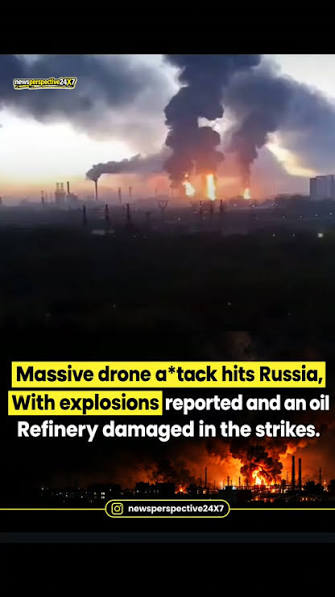
Reports indicate that Iran launched missile and drone attacks targeting U.S.-associated military positions in Jordan, Kuwait, and Bahrain. Although many of the projectiles were intercepted and no major casualties were immediately reported, the attacks marked a significant escalation in the confrontation.
Iranian officials have repeatedly warned that any additional military action by the United States could trigger broader retaliation.
The situation has alarmed neighboring governments that fear becoming caught in the crossfire between Washington and Tehran. Regional leaders have reportedly increased diplomatic outreach efforts in hopes of preventing a wider conflict.
Why the Strait of Hormuz Matters
One reason the crisis has attracted worldwide attention is its connection to the Strait of Hormuz.
The waterway is among the most important energy chokepoints on Earth. Any disruption to shipping traffic there can have immediate consequences for global energy markets.
The strategic significance of the Strait of Hormuz includes:
Global Energy Supply
A substantial percentage of internationally traded oil passes through the strait, making it a critical artery for the world economy.
Maritime Security
Any military confrontation in the area can threaten commercial shipping and international trade routes.
Geopolitical Influence
Control over access to the waterway provides significant leverage in regional and international negotiations.
As tensions rise, shipping companies, insurers, and energy traders are closely monitoring developments.
Could the Conflict Become a Full-Scale War?
One of the biggest questions facing policymakers is whether current hostilities could evolve into a larger military confrontation.
Several factors suggest escalation remains possible:
Continued Retaliation
Each side has justified its actions as defensive or proportional, creating the potential for a cycle of retaliation.
Regional Alliances
Any major confrontation could draw in allied governments and military partners.
Economic Pressures
Rising energy prices and disruptions to global trade could increase political pressure on governments to act.
Diplomatic Breakdown
If ongoing negotiations collapse entirely, military options may become more attractive to decision-makers.
However, there are also strong incentives for restraint.
Military experts note that both Washington and Tehran understand the potentially devastating costs of a prolonged conflict. This reality may encourage continued diplomatic engagement even amid rising tensions.
Impact on Global Markets
Financial markets have reacted nervously to developments in the Middle East.
Investors are particularly concerned about:
Oil supply disruptions.
Shipping risks.
Inflation pressures.
Regional instability.
Commodity markets have already experienced heightened volatility following Trump’s comments regarding a military response. Analysts suggest that any major escalation could trigger further turbulence across global markets.
Energy Prices Under Pressure
Energy traders are watching the Strait of Hormuz closely because even temporary disruptions could affect supply chains worldwide.
Higher oil prices could:
Increase transportation costs.
Raise consumer prices.
Complicate central bank policy decisions.
Slow economic growth in major economies.
Diplomatic Efforts Continue
Despite the military exchanges, diplomatic channels remain active.
Reports indicate that regional mediators continue working to reduce tensions and preserve ceasefire arrangements that had previously helped stabilize the situation. International observers believe diplomacy remains the most effective path toward preventing a wider conflict.
Several governments have urged both sides to exercise restraint while pursuing negotiations.
Key diplomatic objectives include:
Preventing further military escalation.
Protecting maritime commerce.
Reducing risks to civilian populations.
Preserving regional stability.
Military Analysts Assess Trump’s Options
Experts believe President Trump currently has several potential paths available.
Limited Military Operations
The administration could continue conducting targeted strikes against specific military assets.
Enhanced Deterrence
Washington may increase military deployments to discourage further Iranian actions.
Economic Pressure
Additional sanctions and financial restrictions remain available tools.
Diplomatic Engagement
Negotiated agreements could provide a pathway toward de-escalation.
Most analysts expect policymakers to evaluate both military and diplomatic considerations before deciding on the next phase of U.S. strategy.
International Reaction
Governments around the world are watching developments closely.
Many allies have expressed concern about:
Regional stability.
Energy security.
Global trade disruptions.
Risks of broader military conflict.
International organizations have also emphasized the importance of diplomacy and conflict prevention.
The possibility of further escalation has become a major topic of discussion among foreign policy experts and security officials.
What Happens Next?
The coming days may prove decisive.
Several key factors will likely shape future developments:
Whether additional military strikes occur.
The effectiveness of diplomatic efforts.
Iran’s response to American actions.
Regional security conditions.
Conditions in the Strait of Hormuz.
While a full-scale war remains uncertain, the current situation represents one of the most significant security challenges in the Middle East this year.
For now, world leaders, military planners, and financial markets remain focused on the same question: Will diplomacy prevail, or is the region moving toward a broader confrontation?
Conclusion
The latest confrontation between the United States and Iran has created a volatile and unpredictable situation. President Trump’s consideration of further military responses comes amid ongoing missile attacks, retaliatory strikes, and renewed concerns about stability in the Middle East. Although both sides have signaled a desire to avoid a major war, the risk of escalation remains real.
As diplomatic efforts continue and military forces remain on high alert, the international community will be closely watching every development. The decisions made in the coming days could shape the future of regional security, global energy markets, and U.S.-Iran relations for years to come.
FAQs
Why is Trump considering a military response to Iran?
Trump is weighing military options after the reported downing of a U.S. Apache helicopter near the Strait of Hormuz and subsequent Iranian-linked attacks on U.S. interests in the region.
Did the United States already strike Iran?
Yes. Reports indicate the U.S. launched limited strikes targeting Iranian radar and air-defense systems following the helicopter incident.
How did Iran respond?
Iran reportedly launched missile and drone attacks against U.S.-associated military facilities in several Middle Eastern countries.
Why is the Strait of Hormuz important?
The Strait of Hormuz is a critical shipping route for global oil supplies and plays a major role in international energy markets.
Could this lead to a larger war?
While both sides say they do not seek a full-scale conflict, analysts warn that continued retaliation could increase the risk of broader military escalation.
o
How useful was this post?
Click on a star to rate it!
Average rating 0 / 5. Vote count: 0
No votes so far! Be the first to rate this post.
About the Author

usa5911.com
Administrator
Hi, I’m Gurdeep Singh, a professional content writer from India with over 3 years of experience in the field. I specialize in covering U.S. politics, delivering timely and engaging content tailored specifically for an American audience. Along with my dedicated team, we track and report on all the latest political trends, news, and in-depth analysis shaping the United States today. Our goal is to provide clear, factual, and compelling content that keeps readers informed and engaged with the ever-changing political landscape.