Apache Helicopter Down Near Hormuz: Crew Rescued In Dramatic Military Operation
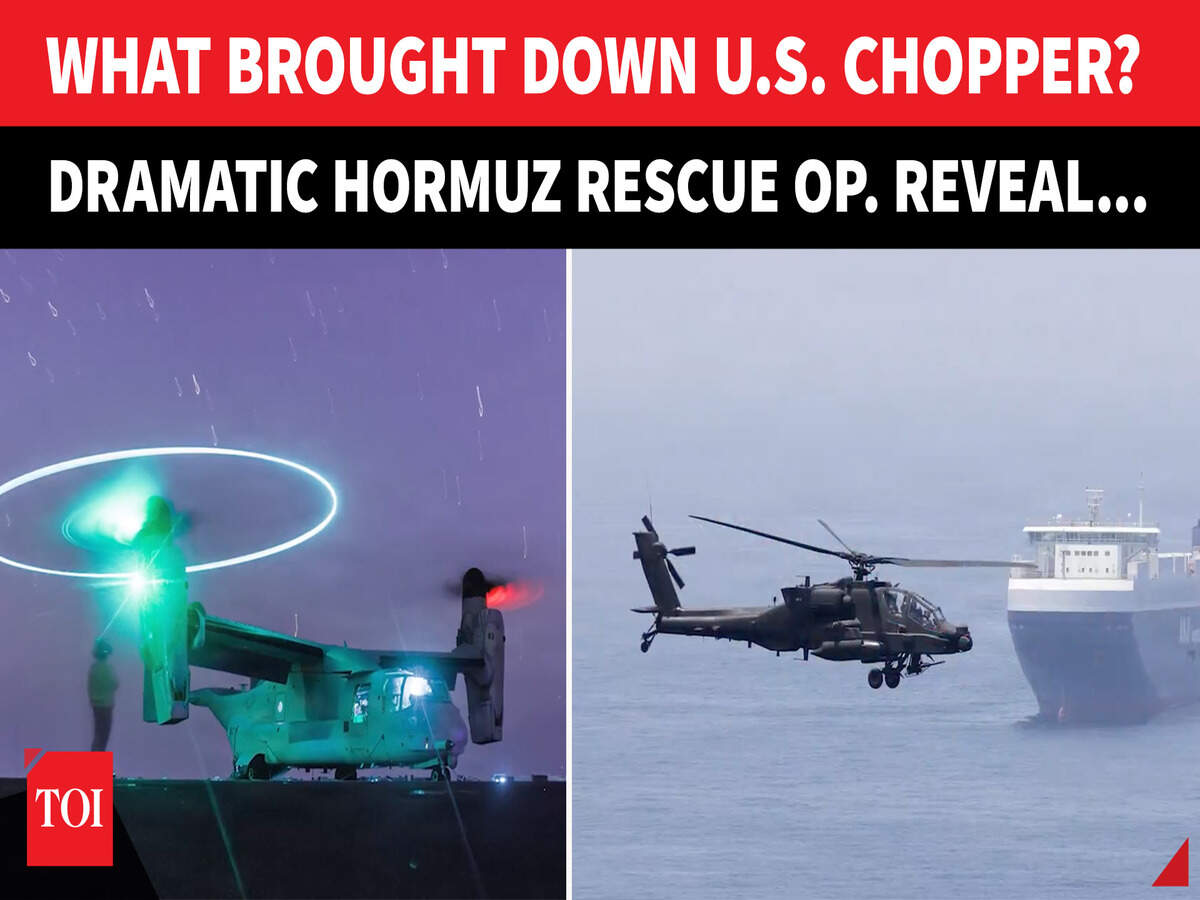
A dramatic military rescue mission unfolded near the Strait of Hormuz after a U.S. Army AH-64 Apache helicopter went down during a patrol operation. The incident quickly drew international attention due to its location in one of the world’s most strategically important waterways and the innovative rescue operation that followed.
Reports indicate that the helicopter crashed while operating near the coast of Oman, close to the Strait of Hormuz. Fortunately, both crew members were rescued within hours and were reported to be in stable condition. The rescue became historic because an autonomous sea drone played a central role in recovering the stranded soldiers.
The event comes amid heightened tensions in the region, making the successful rescue operation even more significant. Military analysts say the mission may represent a turning point in how future combat search-and-rescue operations are conducted.
What Happened Near the Strait of Hormuz?
According to U.S. military officials, the Apache helicopter was conducting a patrol mission over waters near Oman when it went down. Initial reports suggested the aircraft experienced a sudden incident that forced it into the sea. Later statements from U.S. officials and President Donald Trump indicated that the helicopter may have been brought down by Iranian action, though investigations into the exact circumstances continue.
The Strait of Hormuz is among the most sensitive maritime chokepoints in the world. Roughly one-fifth of global oil shipments pass through the narrow waterway, making any military incident in the region a matter of international concern.
Military personnel immediately launched a rescue effort once the helicopter was reported missing.
Why The Strait Of Hormuz Matters
The Strait of Hormuz connects the Persian Gulf to the Gulf of Oman and the Arabian Sea. Because of its strategic importance, military forces from multiple countries maintain a presence in the area.
Several factors make the region critical:
- Major global energy shipments pass through the strait.
- International naval forces frequently patrol the area.
- Regional tensions often impact shipping routes.
- Military incidents can affect global markets.
Any aircraft incident near Hormuz attracts worldwide attention because of the potential implications for security and trade.
The Apache Helicopter Involved
The aircraft involved was reportedly an AH-64 Apache, one of the most advanced attack helicopters in military service.
The Apache is known for:
- Advanced targeting systems
- Night-fighting capabilities
- Heavy firepower
- Battlefield survivability
- Multi-role combat operations
For decades, the Apache has served as a key component of U.S. military operations around the world.
The loss of any Apache helicopter is considered significant due to the aircraft’s capabilities and strategic value.
Crew Members Survive The Crash
One of the most remarkable aspects of the incident was the survival of both crew members.
Officials stated that the pilots successfully survived the crash and remained alive in the water while awaiting rescue. Their survival can be attributed to extensive military training, emergency equipment, and the rapid response from nearby forces.
Rescue teams reportedly located the crew within approximately two hours of the incident.
Military officials later confirmed that both service members were in stable condition after recovery.
Historic Sea Drone Rescue Changes Military Operations
Perhaps the most groundbreaking aspect of the event was the use of an autonomous sea drone during the rescue.
According to multiple reports, a U.S. Navy-operated Corsair unmanned surface vessel played a critical role in locating and retrieving the downed crew members. The autonomous craft transported the soldiers to a safer location where they were later picked up by a helicopter.
Military officials described the mission as the first known rescue operation in which an autonomous surface vessel directly assisted in recovering military personnel from the water.
This achievement could significantly influence future military rescue strategies.
How The Rescue Mission Unfolded
The operation reportedly involved multiple military branches working together.
The sequence likely included:
1. Distress Signal Received
Military command centers received reports that the Apache had gone down.
2. Search Teams Activated
Rescue assets from nearby units were immediately deployed.
3. Sea Drone Dispatched
The autonomous Corsair vessel moved toward the crew’s location.
4. Personnel Recovery
The drone reached the survivors and transported them away from danger.
5. Helicopter Extraction
Additional aircraft completed the recovery process by airlifting the crew to safety.
The mission demonstrated rapid coordination between advanced technology and traditional military rescue forces.
The Role Of Autonomous Technology
Military experts have long predicted that unmanned systems would transform warfare and rescue operations.
The successful deployment of the Corsair drone highlights several advantages:
Reduced Risk
Human rescuers face fewer dangers when autonomous systems reach survivors first.
Faster Response
Drones can be positioned closer to operational zones.
Extended Operations
Unmanned systems can operate for long periods without crew fatigue.
Improved Coverage
Multiple autonomous vessels can monitor large maritime areas simultaneously.
The Hormuz rescue may become a case study for future military planners.
Growing Importance Of Task Force 59
Reports indicate that the rescue operation involved Task Force 59, a specialized U.S. Navy unit focused on integrating unmanned technologies into maritime operations.
Task Force 59 has been testing:
- Surface drones
- Artificial intelligence systems
- Autonomous surveillance technologies
- Maritime security platforms
The successful rescue could accelerate investment in these emerging capabilities.
Regional Tensions Add Complexity
The Apache incident occurred during a period of elevated tensions involving the United States and Iran.
Following the incident, President Donald Trump stated that the United States would respond to the attack if Iranian involvement was confirmed. U.S. military officials later announced limited retaliatory actions described as proportional responses.
The event raised concerns among international observers who feared further escalation in the region.
However, officials from multiple sides also continued to discuss diplomatic pathways aimed at preventing a wider conflict.
Military Experts React
Defense analysts have highlighted several lessons from the incident.
Importance Of Rapid Rescue
Quick recovery operations improve survival rates dramatically.
Technology Is Changing Warfare
Autonomous systems are moving from experimental concepts to operational realities.
Maritime Security Remains Critical
The Strait of Hormuz continues to be one of the world’s most sensitive military zones.
Joint Operations Matter
The rescue showcased coordination among military branches and advanced technologies.
Many experts believe future military missions will increasingly combine human personnel with autonomous systems.
Impact On Future Search And Rescue Missions
Combat search-and-rescue missions have historically been among the most dangerous military operations.
The successful Hormuz rescue could influence:
- Future drone development
- Naval rescue procedures
- Military procurement decisions
- Operational planning
- International maritime security strategies
The incident demonstrates how technological innovation can improve outcomes while reducing risks to personnel.
Global Reactions
Governments and defense observers worldwide closely monitored developments.
Many analysts focused less on the crash itself and more on the successful rescue method. The use of an autonomous vessel to recover military personnel represents a milestone in military technology.
Industry experts expect defense organizations around the world to study the operation carefully.
What Happens Next?
Several investigations are expected to continue:
- Determining the exact cause of the helicopter’s loss.
- Assessing the effectiveness of the rescue operation.
- Evaluating future deployment of autonomous rescue systems.
- Reviewing regional security conditions.
Military leaders will likely examine every aspect of the mission to improve future operations.
Conclusion
The Apache helicopter incident near the Strait of Hormuz could be remembered for more than the loss of an aircraft. While the circumstances surrounding the crash remain under investigation, the successful rescue of both crew members represents a major achievement.
The operation showcased the growing role of autonomous technology in military missions and demonstrated how innovation can save lives in high-risk environments. With both crew members rescued safely and a first-of-its-kind sea drone recovery completed, the mission may shape the future of combat search-and-rescue operations for years to come.
Frequently Asked Questions (FAQs)
What happened to the Apache helicopter near Hormuz?
A U.S. Army AH-64 Apache helicopter went down near the Strait of Hormuz during a patrol mission. Both crew members survived and were rescued.
Were the crew members injured?
Military officials reported that both personnel were rescued and were in stable condition following the incident.
How were the soldiers rescued?
An autonomous Corsair sea drone helped recover the crew before they were transferred to a rescue helicopter.
Why is the Strait of Hormuz important?
The Strait of Hormuz is a critical global shipping route through which a significant portion of the world’s oil supply passes.
Was this the first drone-assisted military rescue?
Officials described the operation as the first known military personnel recovery mission involving an autonomous surface vessel.
What is the Corsair sea drone?
The Corsair is an unmanned surface vessel designed for maritime operations, surveillance, and autonomous missions. It played a major role in the rescue operation.
How useful was this post?
Click on a star to rate it!
Average rating 0 / 5. Vote count: 0
No votes so far! Be the first to rate this post.
About the Author

usa5911.com
Administrator
Hi, I’m Gurdeep Singh, a professional content writer from India with over 3 years of experience in the field. I specialize in covering U.S. politics, delivering timely and engaging content tailored specifically for an American audience. Along with my dedicated team, we track and report on all the latest political trends, news, and in-depth analysis shaping the United States today. Our goal is to provide clear, factual, and compelling content that keeps readers informed and engaged with the ever-changing political landscape.