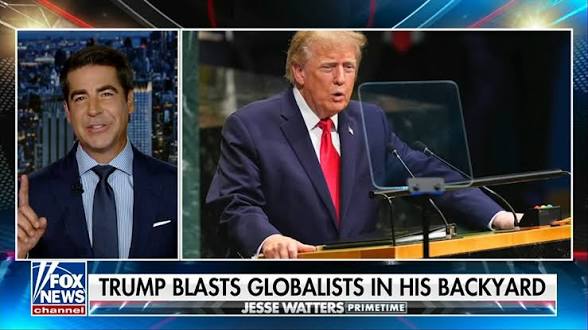
Hormuz Crisis: Trump Says Iran Shot Down U.S. Apache Helicopter, We Must Respond
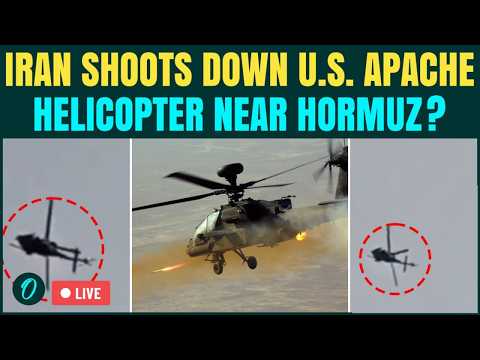
The Middle East has entered another period of uncertainty after President Donald Trump announced that Iran allegedly shot down a U.S. Apache helicopter while it was conducting patrol operations over the strategically vital Strait of Hormuz. The dramatic claim has intensified fears of a broader regional confrontation and sparked concerns across global energy markets, diplomatic circles, and military establishments.
According to Trump, the helicopter was downed during an overnight mission in one of the world’s most critical maritime corridors. He stated that the United States “must respond” to the attack, signaling the possibility of military, diplomatic, or economic measures against Iran. While details remain limited, reports indicate that both American crew members survived and were rescued safely.
The incident comes amid already heightened tensions involving Iran, Israel, and the United States. Analysts warn that any escalation around the Strait of Hormuz could have far-reaching consequences for global trade, oil prices, and regional security.
What Happened in the Strait of Hormuz?
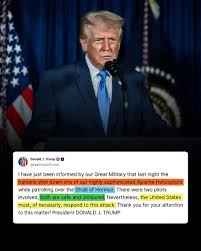
President Trump revealed that U.S. military officials informed him that Iranian forces had shot down an AH-64 Apache attack helicopter during a patrol mission over the Strait of Hormuz. The announcement was made through social media and quickly dominated international headlines.
Trump wrote that the aircraft was one of America’s “highly sophisticated Apache helicopters” and stressed that the United States could not ignore such an attack. He did not initially provide operational details or specify the weapon system allegedly used by Iran.
Subsequent reports indicated that the helicopter crashed near the coast of Oman and that rescue operations successfully recovered both crew members. Officials said the pilots were in stable condition.
Why the Strait of Hormuz Matters
The Strait of Hormuz is one of the most strategically important waterways on Earth.
Located between Iran and Oman, the narrow passage serves as a gateway connecting the Persian Gulf with the Arabian Sea. A significant portion of the world’s oil exports passes through this corridor every day.
Any military confrontation in the region can immediately affect:
- Global energy supplies
- International shipping routes
- Oil and gas prices
- Regional security alliances
- Financial markets
Because of its strategic importance, even isolated incidents can trigger worldwide economic and political consequences.
Trump’s Response: “We Must Respond”
President Trump’s strongest message following the incident was his insistence that the United States must respond.
His statement immediately raised questions regarding what form that response could take. Options available to Washington may include:
Military Measures
The U.S. could increase naval and air patrols throughout the region or conduct targeted operations designed to deter future attacks.
Economic Pressure
Additional sanctions targeting Iranian industries, financial institutions, or military entities could be imposed.
Diplomatic Action
The United States may seek support from allies and international organizations to condemn the attack and isolate Iran diplomatically.
Cyber Operations
Modern conflicts increasingly involve cyber capabilities, making digital retaliation another possible option.
At this stage, U.S. officials have not publicly detailed what response measures are under consideration.
The Rescue Operation
One of the most remarkable aspects of the incident was the successful rescue of the helicopter crew.
Reports indicate that both personnel were recovered safely within hours after the aircraft went down. A joint rescue effort involving multiple branches of the U.S. military reportedly participated in the operation.
Some reports also highlighted the role of advanced unmanned technology during the rescue mission. A naval surface drone reportedly assisted in locating and supporting recovery efforts, marking a significant milestone in modern military operations.
The successful rescue likely prevented the incident from becoming even more politically sensitive.
Iran’s Position
As international attention focuses on the helicopter incident, observers are closely watching for official responses from Iranian authorities.
Historically, Iran has maintained that its military actions in the Persian Gulf are defensive and aimed at protecting national sovereignty. The government has repeatedly criticized the presence of foreign military forces near its territorial waters.
Whether Tehran acknowledges involvement, disputes the claim, or offers an alternative explanation may significantly shape the next phase of the crisis.
Impact on Global Oil Markets
Financial markets often react rapidly to developments involving the Strait of Hormuz.
Following reports of the helicopter incident, investors began evaluating the possibility of supply disruptions or broader military escalation. Energy traders are particularly sensitive to any event that could threaten shipping through the waterway.
Potential consequences include:
- Higher crude oil prices
- Increased shipping insurance costs
- Greater market volatility
- Pressure on importing economies
For nations heavily dependent on Middle Eastern energy exports, maintaining stability in the region remains a top priority.
The Wider Regional Context
The helicopter incident did not occur in isolation.
The Middle East has been experiencing elevated tensions involving Iran, Israel, and several regional actors. Diplomatic efforts aimed at reducing hostilities have faced repeated challenges in recent weeks.
Analysts note that the downing of a U.S. military aircraft could complicate ongoing negotiations and increase pressure on political leaders to adopt tougher positions.
Several factors are contributing to instability:
- Military confrontations across multiple fronts
- Ongoing disputes over regional influence
- Security concerns related to maritime navigation
- Competition among major powers operating in the Middle East
Military Significance of the Apache Helicopter
The AH-64 Apache is one of the most advanced attack helicopters in service today
Known for its battlefield effectiveness, the Apache is equipped with:
- Precision-guided weapons
- Advanced targeting systems
- Night-vision capabilities
- Strong survivability features
The loss of such an aircraft, even without casualties, represents a significant military event and naturally attracts international attention.
Possible Scenarios Going Forward
Scenario 1: Limited Response
Washington could adopt a measured response focused on deterrence rather than escalation.
Scenario 2: Expanded Military Presence
Additional U.S. assets may be deployed to the region to reassure allies and protect maritime traffic.
Scenario 3: Diplomatic Resolution
International mediation efforts could reduce tensions and prevent further incidents.
Scenario 4: Broader Escalation
If retaliatory actions lead to countermeasures, the crisis could evolve into a wider confrontation affecting multiple countries.
Most observers currently hope diplomatic channels remain active to prevent Scenario 4 from materializing.
International Reactions
Global leaders are expected to monitor developments closely.
Many countries have significant economic interests tied to uninterrupted shipping through the Strait of Hormuz. As a result, international governments are likely to encourage restraint and dialogue.
Organizations focused on maritime security may also increase monitoring activities in the region.
The coming days will be critical in determining whether the incident remains an isolated confrontation or becomes the beginning of a larger crisis.
Conclusion
The Hormuz Crisis has entered a new and potentially dangerous phase following President Trump’s assertion that Iran shot down a U.S. Apache helicopter. Although the two crew members survived and were rescued safely, the political and military implications remain substantial.
The Strait of Hormuz remains one of the world’s most strategically important waterways, meaning any military confrontation there carries global consequences. Markets, governments, and security experts will now watch closely for signs of how Washington and Tehran choose to proceed.
Whether the crisis leads to renewed diplomacy or deeper confrontation may shape the geopolitical landscape of the Middle East for months to come.
Frequently Asked Questions (FAQs)
What is the Hormuz Crisis?
The Hormuz Crisis refers to escalating tensions around the Strait of Hormuz, a critical maritime route connecting the Persian Gulf to global shipping lanes.
What did Trump say about the Apache helicopter?
President Trump stated that Iran shot down a U.S. Apache helicopter patrolling over the Strait of Hormuz and said the United States must respond.
Were there any casualties?
Reports indicate that both crew members survived and were rescued safely.
Why is the Strait of Hormuz important?
A large share of global oil exports passes through the Strait of Hormuz, making it one of the world’s most vital energy transit routes.
Could this affect oil prices?
Yes. Any conflict or disruption in the Strait of Hormuz can increase uncertainty in energy markets and potentially drive oil prices higher.
How might the United States respond?
Possible responses include military measures, diplomatic initiatives, sanctions, or other actions aimed at deterring future attacks. No official response plan has been announced yet.
What happens next?
The situation remains fluid. International observers are awaiting further statements from U.S. and Iranian officials and monitoring developments in the region closely.
How useful was this post?
Click on a star to rate it!
Average rating 0 / 5. Vote count: 0
No votes so far! Be the first to rate this post.
About the Author

usa5911.com
Administrator
Hi, I’m Gurdeep Singh, a professional content writer from India with over 3 years of experience in the field. I specialize in covering U.S. politics, delivering timely and engaging content tailored specifically for an American audience. Along with my dedicated team, we track and report on all the latest political trends, news, and in-depth analysis shaping the United States today. Our goal is to provide clear, factual, and compelling content that keeps readers informed and engaged with the ever-changing political landscape.