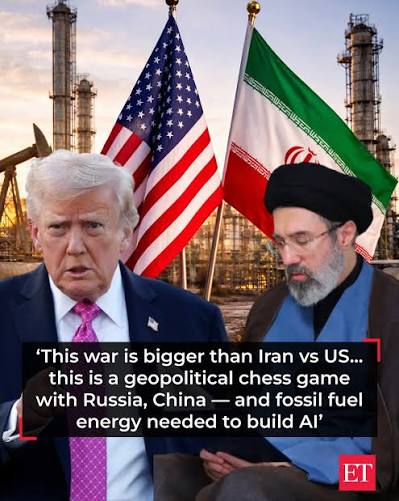
Tensions Rise: ‘VERY FRUSTRATED’ Trump Turns Up The Heat On NATO Allies
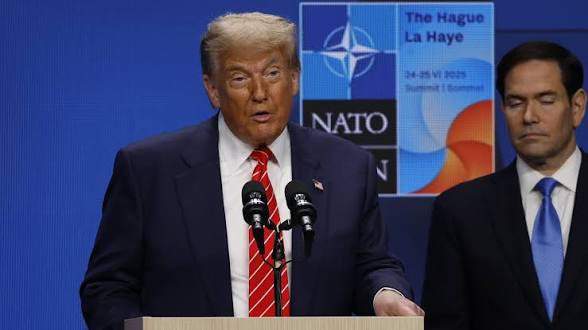
Tensions between the United States and its NATO allies have intensified once again as President Donald Trump sharply criticized several alliance members over defense spending and military cooperation. Calling himself “very frustrated,” Trump renewed his long-standing demand that European allies shoulder a greater share of NATO’s defense burden while also expressing disappointment over what he views as insufficient support for recent U.S. military operations.
The latest dispute comes just days before a major NATO summit, where leaders are expected to discuss defense spending, military readiness, and the alliance’s long-term strategy. Trump’s remarks have reignited debate over burden-sharing, European security, and the future of transatlantic relations.
In this article, we examine why Trump is increasing pressure on NATO allies, how member nations have responded, and what these developments could mean for global security.
Why Is Trump “Very Frustrated” With NATO?
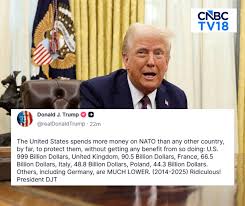
President Trump has repeatedly argued that the United States contributes far more to NATO than many of its European partners. According to administration officials, Washington expects allies to significantly increase defense spending and assume greater responsibility for protecting Europe.
Trump has also criticized several allies for limiting U.S. access to military bases and logistical support during recent operations involving Iran. He believes America’s allies should contribute more when U.S. forces undertake missions that affect broader international security.
His latest comments continue a position he has maintained for years:
- NATO members should spend substantially more on defense.
- European nations should reduce dependence on American military power.
- Countries unwilling to meet alliance commitments should expect consequences.
Defense Spending Remains The Central Issue
One of Trump’s biggest concerns remains military spending.
For years, successive U.S. administrations have urged NATO members to increase defense budgets. Trump has pushed even harder, advocating a target of approximately 5% of GDP for defense-related spending over time, far above NATO’s earlier benchmark of 2%.
His administration argues that:
The United States Bears Too Much Responsibility
America continues to provide enormous military capabilities, including:
- Strategic bombers
- Aircraft carriers
- Intelligence gathering
- Missile defense
- Nuclear deterrence
- Rapid deployment forces
Trump argues that these resources cost American taxpayers hundreds of billions of dollars each year while some allies spend considerably less.
According to administration officials, this imbalance is no longer sustainable.
NATO’s Response
NATO leaders acknowledge that defense investment has increased significantly over the past several years.
Many European governments have boosted military budgets following Russia’s invasion of Ukraine and growing geopolitical instability. Alliance officials say numerous countries are now investing more heavily in:
- Air defense
- Ammunition production
- Cybersecurity
- Naval capabilities
- Drone technology
- Military infrastructure
Recent reporting indicates that European allies have also stepped in to cover most capability gaps created by planned reductions in some U.S. contributions to NATO operations, demonstrating greater burden-sharing.
However, disagreements remain over how quickly every member should reach higher spending targets.
Upcoming NATO Summit Could Be Critical
The upcoming NATO summit is expected to become one of the alliance’s most significant meetings in years.
Leaders will discuss:
Higher Defense Spending
Many governments will outline plans for increasing military investment over the coming decade.
European Military Independence
European nations are increasingly seeking to strengthen their own defense industries while continuing cooperation with Washington.
Russia
The alliance remains focused on deterring Russian aggression and maintaining support for Ukraine.
Middle East Security
Recent tensions involving Iran and maritime security are also expected to dominate discussions.
U.S. Reviewing Its Military Presence In Europe
Another issue adding pressure is the Pentagon’s review of American troop deployments across Europe.
Senior U.S. officials have announced a review intended to evaluate whether American military resources are being used efficiently and whether allies are meeting their commitments. Officials have framed the move as part of ending what they describe as an era of “free-riding” by some allies.
Although no final decisions have been announced, the review has prompted concern among several European governments about future U.S. force levels.
European Leaders Push Back
Many European officials argue that Trump’s criticism overlooks major progress already achieved.
Several governments point out that:
- Defense budgets have increased sharply since 2022.
- New weapons programs are underway.
- NATO’s eastern flank has been reinforced.
- European countries have expanded military production.
- Joint exercises have become more frequent.
Officials also note that security challenges have evolved dramatically because of Russia’s actions and instability in multiple regions.
Nevertheless, most leaders acknowledge that additional investment remains necessary.
A Longstanding Debate
Trump’s frustration is not entirely new.
During both his previous and current administrations, he has consistently argued that NATO should become a more balanced alliance financially.
Supporters of Trump’s approach argue that:
- Greater European defense spending strengthens NATO.
- American taxpayers deserve fairer burden-sharing.
- Stronger European militaries improve collective security.
Critics, however, warn that repeated public disputes risk creating uncertainty within the alliance and could benefit geopolitical rivals seeking to weaken Western unity.
Despite these disagreements, NATO remains one of the world’s most significant military alliances, and both U.S. and European leaders continue to emphasize the importance of collective defense.
President Trump’s renewed criticism of NATO allies is about more than defense spending. It also reflects a broader debate over how the alliance should adapt to a rapidly changing security environment.
NATO faces multiple challenges at the same time. Russia’s continued military actions in Eastern Europe, instability in the Middle East, cyber threats, and advances in military technology all require close cooperation among member states.
Many security experts believe that stronger European defense capabilities could make NATO more resilient. However, they also caution that disagreements between allies should be managed carefully to avoid weakening unity during a period of global uncertainty.
Ultimately, NATO’s strength depends not only on military budgets but also on political trust, intelligence sharing, and coordinated decision-making.
Economic Impact of Higher Defense Spending
Increasing defense spending has significant financial consequences for NATO members.
Many European governments already face pressure from rising healthcare costs, aging populations, and economic uncertainty. Allocating more money to defense often requires difficult budget decisions.
Supporters argue that higher military investment can:
- Strengthen national security.
- Create jobs in the defense industry.
- Encourage technological innovation.
- Improve military readiness.
- Reduce dependence on the United States.
Critics, however, worry that rapid increases in defense budgets could reduce funding for domestic priorities such as education, infrastructure, and social programs.
As a result, governments must balance national security needs with broader economic responsibilities.
How European Leaders Are Responding
Despite Trump’s criticism, many NATO governments have highlighted the progress they have already made.
Several countries have announced plans to:
- Purchase modern fighter aircraft.
- Expand missile defense systems.
- Increase ammunition production.
- Modernize naval fleets.
- Improve cyber defense capabilities.
- Invest in artificial intelligence for military operations.
European leaders also emphasize that NATO remains committed to collective defense under Article 5, which states that an attack on one member is considered an attack on all.
While disagreements over spending continue, officials have repeatedly stressed that the alliance remains united in addressing shared security challenges.
What This Means for the United States
For the United States, the debate centers on balancing global leadership with domestic priorities.
Supporters of Trump’s position argue that:
- American taxpayers should not carry a disproportionate share of NATO’s costs.
- Wealthier European countries are capable of investing more in their own defense.
- Greater burden-sharing strengthens the alliance over the long term.
Others contend that maintaining a strong U.S. military presence in Europe serves American strategic interests by deterring conflict and supporting stability in key regions.
The discussion is likely to remain a major issue in U.S. foreign policy for years to come.
Could NATO Become Stronger?
Interestingly, Trump’s pressure may have already influenced NATO’s evolution.
Over the past several years, many European countries have increased defense spending and accelerated military modernization.
Analysts note several positive developments:
Increased Military Readiness
NATO forces now conduct more frequent multinational exercises and have expanded deployments along the alliance’s eastern flank.
Greater European Investment
Defense industries across Europe are increasing production of ammunition, armored vehicles, and advanced weapons systems.
Improved Cooperation
Member nations continue to improve intelligence sharing, logistics, and joint military planning.
These developments suggest that the alliance is adapting to new security realities, even as political debates continue.
Challenges Ahead
Despite progress, NATO still faces several important challenges.
Maintaining Unity
Public disagreements among allies can create uncertainty and complicate diplomatic negotiations.
Balancing National Interests
Each member country has its own political priorities, economic constraints, and security concerns.
Responding to Emerging Threats
Cyberattacks, space security, artificial intelligence, and hybrid warfare require continued investment and close international cooperation.
Long-Term Financial Commitments
Meeting higher defense spending goals will require sustained political support across multiple governments.
Addressing these challenges will be essential for NATO’s long-term effectiveness.
The Future of NATO-U.S. Relations
Most analysts believe the United States will remain NATO’s leading military power for the foreseeable future.
However, the relationship may continue evolving toward greater European responsibility.
Future discussions are likely to focus on:
- Defense spending targets.
- Military modernization.
- Burden-sharing.
- Support for Ukraine.
- Counterterrorism cooperation.
- Indo-Pacific security.
- Emerging technologies.
While political disagreements are likely to continue, both the United States and its allies have repeatedly affirmed the importance of maintaining the alliance.
Key Takeaways
Trump’s latest remarks have once again placed NATO defense spending at the center of international debate.
His comments reflect longstanding concerns about burden-sharing within the alliance and have prompted renewed discussions among member nations.
At the same time, European governments point to increased military investment and modernization efforts as evidence that they are responding to changing security challenges.
The upcoming NATO discussions will likely shape future cooperation on defense, military readiness, and collective security.
Although differences remain, the alliance continues to adapt to an increasingly complex geopolitical environment.
Frequently Asked Questions (FAQs)
Why is Trump frustrated with NATO allies?
Trump has expressed frustration because he believes some NATO members spend too little on defense and rely too heavily on U.S. military support. He has urged allies to increase their defense budgets and take greater responsibility for collective security.
What is NATO’s defense spending target?
NATO previously encouraged members to spend at least 2% of their GDP on defense. The alliance is now discussing higher long-term investment goals as security challenges continue to evolve.
Have NATO countries increased defense spending?
Yes. Many NATO members have significantly increased military spending in recent years, particularly following Russia’s invasion of Ukraine and growing global security concerns.
Could Trump’s criticism weaken NATO?
Opinions differ. Some analysts believe stronger pressure encourages greater burden-sharing, while others argue that public disagreements could create tensions within the alliance.
Why is NATO important?
NATO provides collective defense for its member countries, promotes military cooperation, and helps address shared security threats across Europe and North America.
Conclusion
President Donald Trump’s renewed criticism of NATO allies has once again highlighted one of the alliance’s most persistent challenges: ensuring that defense responsibilities are shared fairly among member nations.
While Trump argues that European countries should contribute more to collective security, many allies point to recent increases in defense spending and military modernization as evidence of meaningful progress. The debate underscores differing views on how quickly NATO should adapt to changing global threats.
As alliance leaders continue discussions on defense investment, military readiness, and long-term strategy, the outcome of these debates could influence transatlantic relations for years to come. Despite ongoing disagreements, NATO remains a central pillar of Western security, and both the United States and its allies continue to emphasize the importance of cooperation in addressing evolving global challenges.
How useful was this post?
Click on a star to rate it!
Average rating 0 / 5. Vote count: 0
No votes so far! Be the first to rate this post.
About the Author

usa5911.com
Administrator
Hi, I’m Gurdeep Singh, a professional content writer from India with over 3 years of experience in the field. I specialize in covering U.S. politics, delivering timely and engaging content tailored specifically for an American audience. Along with my dedicated team, we track and report on all the latest political trends, news, and in-depth analysis shaping the United States today. Our goal is to provide clear, factual, and compelling content that keeps readers informed and engaged with the ever-changing political landscape.