TRUMP FIRES BACK: President SHUTS DOWN ‘Fake News’ Surrounding Iran Deal
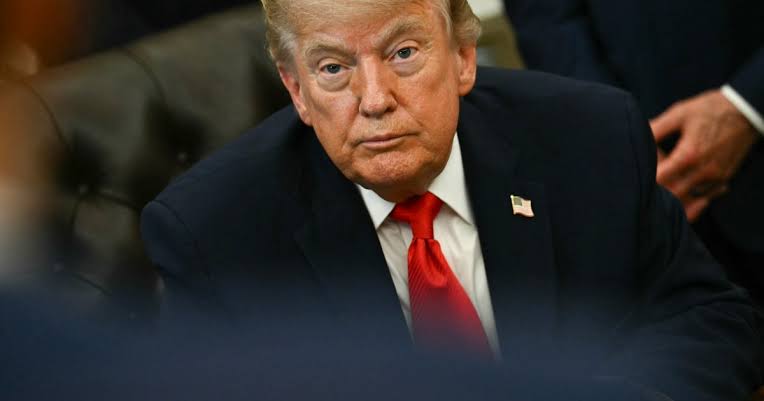
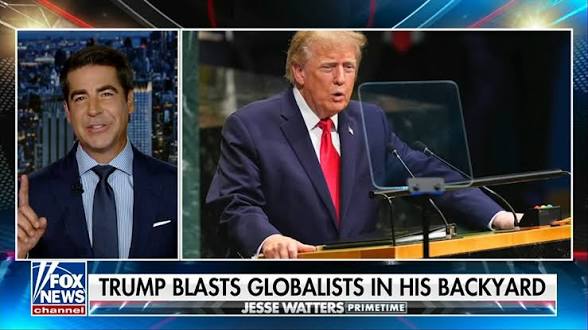
President Donald Trump has forcefully rejected media reports about the emerging U.S.-Iran agreement, accusing what he called the “Fake News” media of spreading false information about the negotiations. In a series of public statements, Trump insisted that reports suggesting Iran had secured major concessions from Washington were inaccurate and warned that negotiations would immediately end if Tehran failed to honor its commitments.
The remarks come during a crucial stage of diplomatic talks, as U.S. and Iranian officials attempt to finalize an agreement aimed at easing regional tensions while addressing concerns over Iran’s nuclear program, sanctions, and maritime security.
This article examines Trump’s response, what sparked the controversy, the current status of negotiations, and what the dispute means for U.S.-Iran relations.
Trump Rejects Reports as “Fake News”
President Trump used his Truth Social platform to dismiss reports that described the proposed agreement as heavily favoring Iran.
According to Trump, stories circulating in parts of the media—and statements attributed to Iranian officials—did not accurately reflect what negotiators had agreed upon. He argued that the reports were designed to undermine the negotiations and create confusion.
Trump emphasized that any economic benefits for Iran would depend entirely on verified compliance with the agreement rather than being granted automatically.
What Triggered the Dispute?
The controversy began after reports suggested that Iran expected significant sanctions relief and other concessions under the proposed framework.
Iranian officials publicly described terms they believed were included in the negotiations, while several media outlets reported details from those statements.
Trump immediately disputed those claims, insisting that the reported provisions did not match the written framework negotiated by American officials.
He argued that inaccurate reporting was creating unnecessary political controversy around negotiations that were still ongoing.
Nuclear Inspections Become the Centerpiece
One of Trump’s strongest claims involved Iran’s willingness to accept international nuclear inspections.
According to the president, Iran had agreed to extensive inspection measures intended to ensure transparency regarding its nuclear activities.
Trump argued that these inspections were essential because they would provide long-term verification instead of relying solely on political promises.
He also stated that without such inspection commitments, negotiations would not continue.
U.S. Position on Sanctions Relief
Administration officials have repeatedly maintained that sanctions relief would be performance-based.
Rather than immediately lifting economic restrictions, the United States says benefits would only become available after Iran fulfills specific obligations.
Officials have stressed that compliance would be verified before sanctions are eased.
This position has been presented as an effort to avoid mistakes associated with previous diplomatic agreements.
Strait of Hormuz Remains a Major Issue
Another major topic involves the strategic Strait of Hormuz.
Reports suggested disagreements over maritime access and shipping security.
Trump recently stated that Iran assured the United States it was not seeking to impose tolls or restrictions on ships traveling through the waterway.
Because the Strait carries a significant portion of the world’s oil exports, its security remains one of the most important elements of the negotiations.
Political Pressure at Home
While Trump continues defending the negotiations, the proposed agreement has generated criticism from members of both political parties.
Some lawmakers argue that Congress should have greater oversight of negotiations involving military operations and sanctions.
Others believe any agreement must include stronger guarantees regarding Iran’s nuclear program and regional activities.
The debate illustrates how foreign policy negotiations often become part of broader domestic political disagreements.
Republican Concerns
Although many Republican voters initially supported Trump’s diplomatic efforts, public opinion appears more divided after details of the proposed framework became public.
Recent polling suggests that support declined among some Republican voters once specific provisions were reported.
Concerns focused on possible sanctions relief, financial incentives, and whether Iran would be required to make sufficiently significant concessions before receiving economic benefits.
Trump’s Message to Critics
Trump has repeatedly defended his negotiating strategy.
He argues that strong public messaging combined with tough negotiating positions helps strengthen America’s leverage.
The president also insists that misinformation surrounding negotiations makes diplomacy more difficult.
According to Trump, inaccurate reporting could damage public confidence and complicate delicate discussions already underway.
Iran’s Perspective
Iranian officials have presented a different account of negotiations.
Public statements from Tehran have suggested that discussions involve sanctions relief and broader economic arrangements.
However, differences between public messaging from both governments highlight how negotiations often include competing narratives designed for domestic audiences.
These contrasting accounts have fueled uncertainty regarding what has actually been agreed upon.
International Observers Closely Watching
International organizations continue monitoring developments.
The International Atomic Energy Agency (IAEA) has emphasized that inspections remain essential for verifying any future nuclear commitments.
Observers say transparency and verification will likely determine whether any agreement gains lasting international support.
Economic Stakes Are High
Beyond security concerns, the negotiations carry significant economic implications.
Global energy markets closely watch developments involving Iran because disruptions in the Middle East can affect oil prices worldwide.
Trump has argued that diplomatic progress helps reduce economic uncertainty while avoiding broader regional conflict.
The Role of Media Coverage
Trump’s criticism also highlights the role media coverage plays during high-profile diplomatic negotiations.
Complex talks often generate leaks, unofficial reports, anonymous sources, and competing political narratives.
As negotiations continue, distinguishing confirmed developments from speculation remains important for both policymakers and the public.
What Happens Next?
Negotiations remain ongoing, and several major issues still require resolution.
Among the key questions are:
- Verification of nuclear inspections
- Conditions for sanctions relief
- Regional security commitments
- Maritime navigation in the Strait of Hormuz
- Long-term diplomatic enforcement
Whether negotiators can bridge remaining differences will likely determine the future of U.S.-Iran relations.
Conclusion
President Trump’s rejection of what he calls “fake news” surrounding the Iran negotiations reflects the intense political and diplomatic pressures shaping one of the world’s most closely watched international discussions.
While Trump insists reports about major concessions are false, negotiations continue amid competing public narratives from Washington and Tehran. Both sides continue emphasizing different priorities, making verification and transparency central to any eventual agreement.
For now, the outcome remains uncertain, but the negotiations could significantly influence Middle East stability, global energy markets, and U.S. foreign policy in the months ahead.
Frequently Asked Questions (FAQs)
What did Trump call “fake news” about the Iran deal?
Trump rejected reports suggesting Iran had secured major concessions, saying those reports did not reflect the actual negotiations.
Is the U.S.-Iran agreement finalized?
No. Negotiations are ongoing, and officials continue discussing inspection requirements, sanctions, and security arrangements.
Why are nuclear inspections important?
They allow independent verification that Iran is complying with agreed nuclear commitments.
What is the Strait of Hormuz?
It is one of the world’s most important shipping routes for oil exports, making its security strategically significant.
Why has the proposed agreement generated controversy?
Critics question whether the reported terms provide sufficient guarantees on Iran’s nuclear activities and regional behavior, while supporters argue diplomacy can reduce the risk of further conflict.
How useful was this post?
Click on a star to rate it!
Average rating 0 / 5. Vote count: 0
No votes so far! Be the first to rate this post.
About the Author

usa5911.com
Administrator
Hi, I’m Gurdeep Singh, a professional content writer from India with over 3 years of experience in the field. I specialize in covering U.S. politics, delivering timely and engaging content tailored specifically for an American audience. Along with my dedicated team, we track and report on all the latest political trends, news, and in-depth analysis shaping the United States today. Our goal is to provide clear, factual, and compelling content that keeps readers informed and engaged with the ever-changing political landscape.