Syria Breaking: Conflict Escalates, Global Powers Alert, War Fears Grow
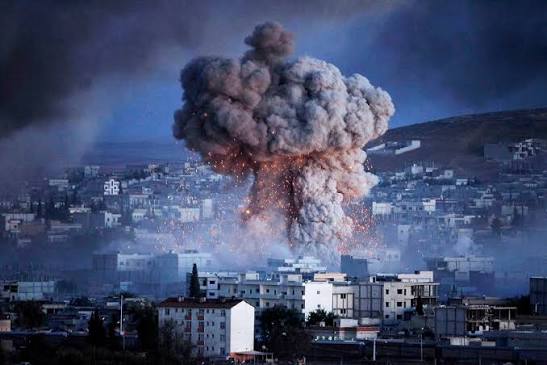
The Syria conflict escalation has entered a dangerous new phase, raising fears of a wider regional war and drawing the attention of major global powers. Fresh military movements, shifting alliances, and geopolitical tensions are creating uncertainty across the Middle East and beyond.
In 2026, Syria finds itself once again at the center of international tensions. Developments linked to the broader Iran war, military withdrawals, and regional rivalries have heightened anxiety about a potential large-scale conflict.
Global leaders, analysts, and humanitarian organizations warn that the current escalation could reshape geopolitical dynamics, affect global markets, and deepen humanitarian crises across multiple countries.
This article provides a detailed analysis of the latest developments, causes, global reactions, and future risks tied to the escalating Syria crisis.
Understanding the Roots of the Syria Conflict
How the Crisis Began
The Syrian conflict began in 2011 as a civil uprising against the government. Over time, it evolved into a multi-layered war involving rebel groups, foreign fighters, and international military powers.
The conflict became more complex when extremist groups such as ISIS gained territory in Syria around 2013. International forces launched air campaigns targeting extremist networks, transforming Syria into a global battleground.
More than 580,000 people have died, and millions have been displaced, making it one of the worst humanitarian disasters in modern history.
The Fall of Old Power Structures
A major turning point occurred in 2024 when long-standing leadership structures collapsed, leading to a transitional government.
This shift created new instability, as rival factions sought influence across different regions. At the same time, foreign military support began shifting priorities, leaving gaps in security.
These structural changes are still shaping the ongoing conflict today.
Why Syria Is Escalating Again in 2026
Spillover from the Iran War
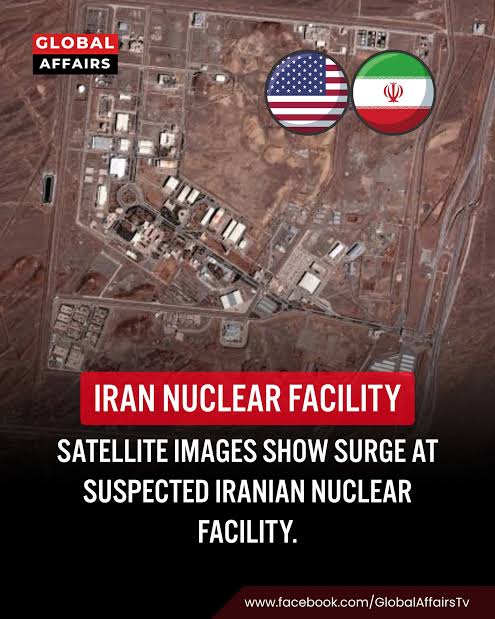
One of the biggest drivers of Syria conflict escalation is the ongoing war involving Iran and regional powers.
Military strikes across the Middle East triggered cross-border tensions affecting Syria directly. Reports show that attacks and retaliatory threats have increased military risks across Syrian territory.
Drone strikes targeting military bases near borders and suspected supply routes have raised alarm among defense officials.
These events indicate that Syria is no longer just a local conflict zone but part of a wider regional confrontation.
Internal Military Operations
Military offensives inside Syria have also contributed to escalating tensions.
In early 2026, Syrian government forces launched operations targeting Kurdish-controlled areas. These clashes triggered ceasefire negotiations but left tensions unresolved.
Despite temporary agreements, security analysts warn that unresolved territorial disputes could lead to renewed fighting.
Foreign Military Withdrawals
Another critical development involves foreign troop movements.
Recent reports indicate that U.S. forces completed withdrawal from key bases in Syria, transferring control to local authorities.
This shift significantly changes the security landscape, potentially increasing risks of extremist resurgence.
Experts fear that reduced foreign military presence could create power vacuums in vulnerable regions.
Global Powers Respond to Syria Crisis
Europe Reconsiders Its Strategy
European nations are reassessing their diplomatic approach toward Syria.
Recent diplomatic plans indicate renewed engagement with Syria’s transitional leadership and efforts to strengthen trade and security ties.
This shift marks a major policy change after years of isolation.
European leaders hope diplomatic engagement may reduce instability while protecting regional interests.
China Calls for Restraint
China has urged global cooperation to prevent further escalation in Middle Eastern conflicts.
Officials described current ceasefire conditions as fragile and warned that renewed hostilities could destabilize global security.
China’s involvement signals growing global concern about the conflict’s wider implications.
United States Strategic Moves
The United States remains deeply involved in shaping the regional balance.
Military withdrawal from Syrian bases signals a transition in strategy, focusing more on remote counterterrorism support rather than direct deployment.
This strategy aims to reduce military risk while maintaining influence in the region.
Rising War Fears Across the World
Threat of Regional War
Security experts warn that Syria conflict escalation could ignite a broader regional war.
The involvement of multiple armed groups and foreign governments increases the probability of accidental clashes or intentional escalation.
Military analysts suggest that a single miscalculation could trigger widespread conflict across several countries.
Economic Shock Risks
Global financial institutions are closely monitoring the situation.
Economic analysts warn that prolonged regional conflict could increase energy prices, slow economic growth, and raise inflation worldwide.
These effects could impact countries far beyond the Middle East.
Risk of Global Poverty Increase
International development agencies have issued stark warnings about humanitarian impacts.
New projections indicate that prolonged military escalation in the Middle East could push more than 30 million people into poverty worldwide.
These warnings highlight how regional conflicts can have global consequences.
Humanitarian Crisis Deepens
Refugee Movements Continue
The ongoing Syria conflict escalation has triggered new refugee flows.
Thousands of civilians have crossed borders seeking safety as military tensions increase.
Refugee camps remain overcrowded, and humanitarian agencies struggle to provide basic necessities.
Infrastructure Damage
Military operations have damaged roads, hospitals, and utilities.
Power outages and limited medical access worsen civilian suffering.
Rebuilding damaged infrastructure will require significant international support.
Food and Water Shortages
Food insecurity remains one of the most severe consequences of prolonged conflict.
Agricultural disruption and supply chain breakdowns have increased food prices across affected regions.
Humanitarian organizations warn of worsening famine risks if fighting continues.
Terrorism Threat Resurgence
Risk of Extremist Return
Security experts warn that extremist groups could exploit instability.
Even after losing territory, sleeper cells remain active in parts of Syria.
Military withdrawals and shifting alliances increase the possibility of renewed terrorist activity.
This threat concerns governments worldwide.
Regional Security Concerns
Neighboring countries remain on high alert.
Border tensions and military deployments are increasing, reflecting growing fears of infiltration or attack.
International cooperation remains crucial to controlling these threats.
The Role of Diplomacy in Preventing War
Ceasefire Agreements
Temporary ceasefires have been negotiated between government forces and regional groups.
These agreements provide short-term stability but often fail to resolve long-term disputes.
Diplomatic progress remains slow and fragile.
International Mediation Efforts
Global powers continue to encourage peace talks.
Diplomatic missions aim to balance security interests with humanitarian concerns.
However, mistrust among factions complicates negotiations.
Media Coverage and Public Reaction
Global Media Focus Intensifies
International media outlets have increased coverage of the Syria conflict escalation.
Images of damaged cities and displaced civilians have drawn worldwide attention.
Public awareness of the crisis continues to grow.
Social Media Amplifies Fear
Social media platforms play a significant role in spreading real-time updates.
However, misinformation and rumors also increase panic among civilians.
Governments are urging responsible reporting and verification.
Future Scenarios: What Happens Next?
Scenario 1: Controlled Escalation
In this scenario, diplomatic efforts prevent full-scale war.
Military actions remain limited to strategic targets.
Ceasefires stabilize key regions.
Scenario 2: Regional War
This scenario involves multiple countries entering active combat.
Energy supply routes become targets.
Global markets experience severe disruptions.
Scenario 3: Political Settlement
A negotiated political solution could end years of conflict.
Power-sharing agreements and security guarantees stabilize governance.
However, achieving this outcome requires sustained international cooperation.
How the Syria Conflict Affects the World
Oil and Energy Markets
Energy markets are highly sensitive to Middle East tensions.
Any disruption in supply routes can raise global oil prices.
Higher fuel costs affect transportation, manufacturing, and consumer prices worldwide.
Global Trade Impact
Shipping routes across the region face increased risk.
Insurance costs for cargo shipments rise during conflict periods.
These changes affect global trade efficiency.
Security Policy Changes
Countries are strengthening defense strategies.
Military spending is increasing in several regions.
Security alliances are being reassessed.
Why Global Powers Are Watching Closely
Strategic Importance of Syria
Syria sits at a crossroads of major trade and military routes.
Control over Syrian territory provides strategic advantages.
This makes the region a key focus for international powers.
Geopolitical Influence
Global powers view Syria as an arena for influence.
Diplomatic decisions in Syria often affect broader regional alliances.
This geopolitical importance explains ongoing international involvement.
Conclusion: A Critical Moment for Syria and the World
The Syria conflict escalation represents one of the most serious geopolitical challenges of 2026.
Military tensions, global power involvement, and humanitarian crises have created a volatile situation that threatens regional and international stability.
Diplomatic efforts remain the best path forward, but success will depend on cooperation among global leaders and regional stakeholders.
As war fears grow, the world watches closely, hoping that diplomacy prevails over destruction.
FAQs
What caused the recent Syria conflict escalation?
The recent escalation is largely linked to regional tensions involving Iran, military operations inside Syria, and foreign troop withdrawals that changed the security balance.
Is Syria heading toward a full-scale war?
While tensions are high, global powers are actively pursuing diplomatic solutions to prevent widespread war.
How does the Syria conflict affect global markets?
Conflict in the region can disrupt oil supplies, increase energy prices, and slow global economic growth.
Why are global powers involved in Syria?
Syria holds strategic military and trade importance, making it a key region for geopolitical influence.
What is the humanitarian situation in Syria?
Millions remain displaced, and many areas face food shortages, infrastructure damage, and limited healthcare access.
Can diplomacy end the Syria conflict?
Diplomacy remains the most viable solution, but long-standing disputes and political tensions make negotiations difficult.
How useful was this post?
Click on a star to rate it!
Average rating 0 / 5. Vote count: 0
No votes so far! Be the first to rate this post.
About the Author

usa5911.com
Administrator
Hi, I’m Gurdeep Singh, a professional content writer from India with over 3 years of experience in the field. I specialize in covering U.S. politics, delivering timely and engaging content tailored specifically for an American audience. Along with my dedicated team, we track and report on all the latest political trends, news, and in-depth analysis shaping the United States today. Our goal is to provide clear, factual, and compelling content that keeps readers informed and engaged with the ever-changing political landscape.