Harmeet Dhillon Move: Legal Battle, GOP Spotlight, Power Shift
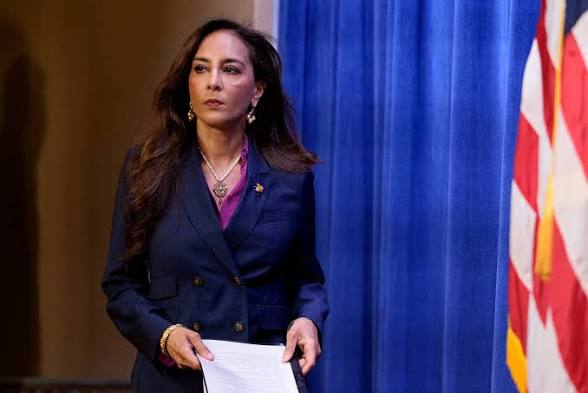
The rise of Harmeet Dhillon has become one of the most closely watched developments in modern American politics. Once known primarily as a Republican legal strategist, Dhillon has transformed into a central figure shaping legal battles, civil rights priorities, and political direction within the administration of Donald Trump.
Her move into leadership roles has triggered both praise and fierce criticism. Supporters call her a bold reformer who challenges outdated legal frameworks. Critics argue that her policies signal a dramatic shift in civil rights enforcement priorities.
Regardless of political views, one fact remains clear: Dhillon’s growing influence marks a turning point in the intersection of law and politics.
The Early Journey: From Chandigarh to Washington Power Circles
Harmeet Kaur Dhillon was born in Chandigarh, India, before later moving to the United States, where she built her academic and legal career. She studied at Dartmouth College and later earned her law degree from the University of Virginia.
Her professional journey included:
- Serving as a law clerk for federal courts
- Establishing the Dhillon Law Group
- Becoming a national Republican legal figure
- Advising political campaigns
- Leading major constitutional litigation
Her transition into federal leadership accelerated after she was confirmed as Assistant Attorney General for Civil Rights in 2025.
This appointment placed her in charge of one of the most influential legal divisions in the United States.
The GOP Spotlight: Rising Visibility in National Politics
Dhillon’s growing prominence has been closely tied to Republican Party strategy and leadership. She became widely known after challenging party leadership and advocating reforms within the party structure.
Her alignment with key figures elevated her national visibility. Public praise from Donald Trump reinforced her reputation as a loyal and influential legal voice in conservative politics.
At the same time, her appearances in major legal disputes placed her squarely in the national spotlight.
Political analysts note that Dhillon represents a new generation of legal activists who combine courtroom strategy with political messaging.
Legal Battles That Defined Her Rise
Harvard Dispute and Higher Education Policies
One of the most visible legal confrontations involved litigation tied to university policies, including high-profile clashes with institutions like Harvard University.
Dhillon’s legal approach focused on:
- Challenging diversity and hiring practices
- Investigating discrimination claims
- Contesting academic policy frameworks
These legal battles sparked nationwide debate about civil rights enforcement and affirmative action.
Reports indicate that she played a central role in efforts targeting educational institutions accused of discrimination practices.
Supporters argue these actions protect fairness. Critics say they weaken protections historically aimed at marginalized communities.
Election Policy and Voting System Changes
Another major front involved election laws and voting frameworks. Dhillon supported proposals promoting single-day election models, citing concerns about election integrity.
Her advocacy included:
- Pushing for stricter election timelines
- Supporting federal oversight of voter processes
- Backing legal efforts affecting mail voting systems
These moves generated significant controversy and were linked to broader election reform strategies.
For many observers, these policies signaled a strategic shift in how elections may be administered in future cycles.
Power Shift Inside the Civil Rights Division
Perhaps the most dramatic impact of Dhillon’s leadership has been internal restructuring within the Civil Rights Division.
Upon assuming office, she introduced sweeping policy changes affecting enforcement priorities.
Key Policy Changes
Her initiatives focused on:
- Religious liberty protections
- Gun rights enforcement
- Anti-discrimination claims framed differently than previous administrations
- Reassessment of diversity programs
These adjustments resulted in major workforce changes within the department.
Reports suggest that more than half of career attorneys either resigned or moved roles following policy shifts.
This level of restructuring is rare in federal legal institutions.
Gun Rights Enforcement: A New Legal Frontier
Dhillon also introduced a dedicated unit to enforce Second Amendment rights.
The creation of this unit marked a historic development in civil rights enforcement strategy.
Officials described the initiative as ensuring that gun ownership rights receive equal legal protection under federal law.
This move placed constitutional firearm rights alongside traditional civil liberties enforcement—a major philosophical shift.
Critics vs Supporters: A Nation Divided
Few legal figures generate as much political reaction as Dhillon.
Supporters Say:
- She modernizes civil rights interpretation
- She protects constitutional freedoms
- She strengthens legal accountability
- She challenges entrenched institutional practices
Critics Argue:
- She weakens historic civil rights protections
- She shifts enforcement away from minority protections
- She politicizes legal frameworks
- She creates instability within federal institutions
Civil rights organizations publicly opposed her appointment, citing concerns about voting rights and anti-discrimination enforcement.
The intensity of debate surrounding her leadership reflects the stakes involved.
The Harvard Case and Campus Policy Wars
Universities have become a battleground for legal reforms.
Dhillon’s involvement in investigations and lawsuits against universities triggered national attention.
Institutions accused of discriminatory hiring or admissions practices faced federal scrutiny.
This legal pressure led to major administrative changes in several educational institutions.
Observers describe these disputes as early indicators of long-term policy transformation.
Trump Administration Strategy and Dhillon’s Role
The relationship between Dhillon and Donald Trump remains central to understanding her rise.
Her legal approach aligns closely with broader administration goals.
These include:
- Restructuring federal legal enforcement
- Reframing civil rights policy
- Expanding constitutional interpretations
Reports suggest she has been considered for even more powerful roles within federal legal leadership.
Such speculation reinforces her reputation as a rising power broker.
Legal Philosophy: Redefining Civil Rights
Dhillon’s philosophy centers on interpreting civil rights law through constitutional protections rather than social policy frameworks.
This approach prioritizes:
- Individual rights
- Religious protections
- Free speech rights
- Gun ownership rights
Opponents argue this interpretation narrows traditional civil rights protections.
Supporters say it restores constitutional balance.
Regardless of perspective, this philosophical shift shapes ongoing litigation nationwide.
Media Presence and Public Influence
Beyond the courtroom, Dhillon has built a strong public presence.
Her media appearances and public speeches amplify her influence.
She regularly participates in legal discussions, policy debates, and national forums.
This visibility strengthens her standing among supporters and critics alike.
Impact on the 2026 Election Landscape
Dhillon’s legal decisions may influence election outcomes indirectly.
Legal rulings affecting:
- Voting procedures
- District boundaries
- Election timelines
could reshape electoral dynamics nationwide.
Legal experts believe her role will remain central as upcoming elections approach.
A Symbol of Political Realignment
Dhillon represents more than a legal figure.
She symbolizes a broader political realignment.
Her career reflects:
- Conservative legal resurgence
- Strategic litigation growth
- Political-legal integration
These trends redefine how law and politics interact.
The Future: What Comes Next?
Speculation continues about Dhillon’s future.
Possible scenarios include:
- Promotion to higher federal legal office
- Expanded national legal leadership
- Increased involvement in constitutional cases
Her trajectory suggests continued prominence.
Observers expect her influence to remain strong in upcoming years.
Global and Cultural Impact
Dhillon’s background as an immigrant-born leader adds international significance to her story.
Her journey resonates globally, especially among diaspora communities.
It also highlights the diversity within American political leadership.
Conclusion: A Defining Power Shift
The Harmeet Dhillon move represents a turning point in American legal and political history.
Her rise reflects:
- Strategic legal transformation
- Political influence expansion
- Institutional restructuring
Whether viewed as reform or controversy, her actions shape policy debates and legal outcomes.
As legal battles continue and political alliances evolve, her influence will likely grow.
The story of Harmeet Dhillon is not just about one individual—it is about the evolving role of law in modern politics.
FAQs
1. Who is Harmeet Dhillon?
Harmeet Dhillon is an American lawyer and Republican political figure serving as Assistant Attorney General for Civil Rights since 2025.
2. Why is Harmeet Dhillon in the news?
She is involved in major legal battles involving universities, election laws, and federal civil rights enforcement reforms.
3. What major changes has she introduced?
She restructured civil rights enforcement priorities, created new legal units, and shifted focus toward constitutional rights such as religious freedom and gun ownership.
4. What controversies surround her leadership?
Critics argue her policies weaken traditional civil rights protections, while supporters believe they strengthen constitutional protections.
5. Could Harmeet Dhillon gain more power?
Reports suggest she may be considered for higher legal roles, indicating her influence could continue expanding.
6. How does her role affect elections?
Her legal actions related to voting systems and election policies could shape how future elections are conducted.
7. Why is her leadership considered a power shift?
Her reforms dramatically changed federal legal priorities, influencing both political strategy and civil rights enforcement.
How useful was this post?
Click on a star to rate it!
Average rating 0 / 5. Vote count: 0
No votes so far! Be the first to rate this post.
About the Author

usa5911.com
Administrator
Hi, I’m Gurdeep Singh, a professional content writer from India with over 3 years of experience in the field. I specialize in covering U.S. politics, delivering timely and engaging content tailored specifically for an American audience. Along with my dedicated team, we track and report on all the latest political trends, news, and in-depth analysis shaping the United States today. Our goal is to provide clear, factual, and compelling content that keeps readers informed and engaged with the ever-changing political landscape.