Supreme Court Showdown: Major Ruling Pressure, Legal Clash
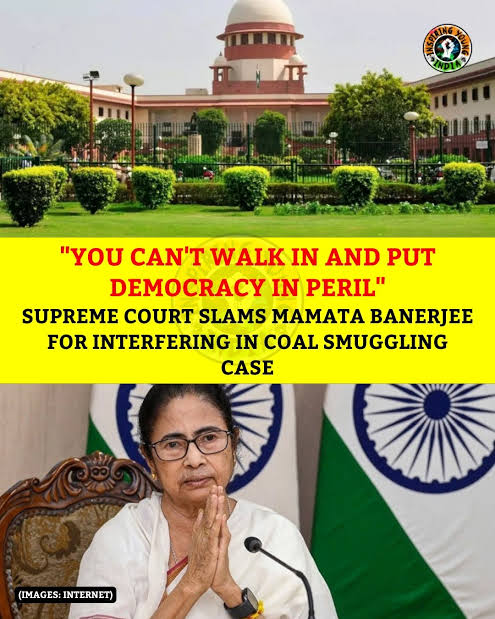
The global spotlight is once again fixed on the Supreme Court of India and the Supreme Court of the United States as major legal battles continue to shape politics, civil liberties, voting rights, and constitutional interpretation. Across both democracies, recent rulings and pending decisions have intensified debates over judicial power, personal freedoms, and the role of courts in defining national direction.
From abortion access in the United States to constitutional liberties and bail rights in India, courts are increasingly becoming the center of public attention. Legal experts, political leaders, activists, and ordinary citizens are all reacting as these judicial confrontations influence the future of governance.
The latest Supreme Court showdown is not just about one ruling. It reflects a broader clash between constitutional protections, executive authority, social values, and public expectations.
Why the Supreme Court Is Under Pressure
Supreme Courts traditionally serve as guardians of constitutional order. However, in recent years, their role has expanded far beyond technical legal interpretation. Major court rulings now affect elections, healthcare, religious freedoms, criminal justice, technology, and national security.
Recent developments have added more pressure on judicial institutions:
- Intensifying political polarization
- Public distrust in institutions
- Increased constitutional challenges
- Expanding executive authority
- Social media-driven public scrutiny
- High-profile civil rights disputes
In both India and the United States, Supreme Court decisions are increasingly viewed through political and ideological lenses.
According to recent reporting, several landmark cases involving voting rights, abortion access, constitutional freedoms, and criminal justice are dominating headlines in 2026.
Major Legal Battles Fueling the Showdown
Abortion Rights and Federal Authority
One of the most controversial legal battles currently unfolding in the United States involves access to the abortion pill mifepristone.
The U.S. Supreme Court recently allowed continued mail distribution of the medication while broader legal questions continue through lower courts. The decision temporarily blocked efforts to restrict nationwide access.
The legal clash centers around:
- Federal drug regulation powers
- State abortion bans
- Telemedicine rights
- Interpretation of the Comstock Act
- Reproductive healthcare access
The ruling has intensified political tensions nationwide. Supporters argue the decision protects healthcare access, while critics claim it undermines state authority after the overturning of Roe v. Wade.
This issue is expected to remain one of the defining Supreme Court battles of the decade.
Voting Rights Under Judicial Scrutiny
Another major legal pressure point involves voting rights and electoral access.
The U.S. Supreme Court recently revisited a closely watched Native American voting rights case involving Section 2 of the Voting Rights Act. The Court sent the matter back to lower courts for reconsideration, signaling the continuing national debate over election laws and minority voting protections.
Critics fear that weakening voting protections could impact marginalized communities. Others argue election laws must prioritize procedural integrity and constitutional limits.
The broader clash reflects national disagreements over:
- Election security
- Mail-in voting
- Redistricting
- Minority representation
- Federal versus state election authority
Public reaction has been intense, with legal analysts warning that future rulings could significantly influence upcoming elections.
India’s Supreme Court and Constitutional Liberty Debate
In India, the Supreme Court has recently delivered strong observations regarding constitutional freedoms and criminal justice protections.
A major ruling involving the Unlawful Activities (Prevention) Act (UAPA) reaffirmed the principle that “bail is the rule and jail is the exception,” even in cases involving stringent anti-terror laws.
The judgment emphasized that constitutional liberty cannot be overridden by procedural restrictions alone. Legal observers described the ruling as a significant moment for civil liberties and due process rights.
The Court stressed that:
- Personal liberty remains central to constitutional democracy
- Presumption of innocence matters
- Prolonged detention without trial raises constitutional concerns
- Judicial oversight must remain strong even in sensitive cases
This ruling sparked widespread debate among lawyers, activists, and political commentators across India.
Religious Freedom and Constitutional Interpretation
Another major constitutional clash emerged during hearings related to the long-running Sabarimala issue.
During proceedings, Supreme Court judges discussed the balance between religious freedom and constitutional equality provisions. Observations from the bench reignited national debate over faith, gender rights, and constitutional interpretation.
The discussion highlighted difficult legal questions:
- Can constitutional equality override religious practices?
- How should courts interpret faith-based traditions?
- What are the limits of judicial intervention in religious matters?
The Sabarimala debate continues to symbolize the larger ideological struggle between tradition and constitutional modernity in India.
The Expanding Influence of the Judiciary
The Supreme Court showdown is also raising broader questions about judicial influence.
Many critics argue courts are increasingly deciding issues that should be resolved by elected governments. Others insist strong courts are necessary to prevent executive overreach and protect constitutional rights.
This tension has fueled ongoing debates about:
- Judicial activism
- Constitutional originalism
- Separation of powers
- Court legitimacy
- Public accountability
In the United States, disputes involving the conservative-leaning Fifth Circuit Court of Appeals have further intensified national legal conflict. Several rulings from that court have already required Supreme Court intervention.
Analysts say the growing number of emergency appeals demonstrates how rapidly legal disputes are escalating nationwide.
Public Reaction Across Social Media
Public reaction to Supreme Court developments has become increasingly emotional and polarized.
Social media platforms are flooded with debates about constitutional rights, judicial ideology, and political fairness. Online discussions show deep divisions among citizens regarding the role of courts in modern society.
Recent Reddit discussions surrounding pending Supreme Court opinions revealed strong emotions about:
- Election law rulings
- Birthright citizenship
- Abortion rights
- Campaign finance
- Constitutional protections
Many users expressed concern about the future direction of constitutional interpretation, while others defended judicial restraint and conservative legal principles.
The intensity of public reaction demonstrates how Supreme Court rulings now shape broader cultural identity and political narratives.
Supreme Courts and Political Power
One reason Supreme Court rulings attract massive attention is their growing connection to political power.
Political parties increasingly view judicial appointments as critical long-term victories. Court decisions can shape national policy for decades, influencing everything from healthcare and immigration to business regulation and voting laws.
As a result:
- Judicial nominations have become politically charged
- Confirmation battles are more contentious
- Public trust fluctuates sharply
- Court decisions face immediate political framing
The legal clash is no longer confined to courtrooms. It now affects election campaigns, legislative agendas, and international perceptions of democracy.
Legal Experts Warn of Institutional Challenges
Several legal scholars have warned that growing political pressure could damage public confidence in judicial institutions.
The concern is not necessarily about individual rulings, but about the perception that courts are becoming politically aligned.
Experts point to several risks:
- Reduced public trust
- Institutional polarization
- Increased attacks on judicial independence
- Pressure on judges
- Constitutional instability
At the same time, defenders of strong judicial intervention argue courts remain essential for protecting minority rights and constitutional order.
This ongoing tension defines the modern Supreme Court showdown.
How Businesses and Society Are Affected
Supreme Court rulings increasingly affect businesses, technology firms, universities, healthcare systems, and financial institutions.
Major legal decisions can alter:
- Corporate regulations
- Employment law
- Healthcare access
- Digital privacy rules
- Educational policy
- Financial oversight
Businesses closely monitor Supreme Court developments because legal uncertainty can influence investment decisions and public policy planning.
For ordinary citizens, court rulings can directly impact daily life, including healthcare access, personal freedoms, and civil protections.
International Attention on Supreme Court Battles
International observers are also watching these legal confrontations closely.
The United States and India are both major democracies whose constitutional systems influence global legal thinking. Supreme Court rulings in these countries often shape international debates on democracy, human rights, and judicial independence.
Global analysts are particularly focused on:
- Democratic stability
- Civil liberties
- Religious freedom
- Electoral fairness
- Judicial accountability
The growing visibility of Supreme Court battles reflects how legal institutions now play a central role in global political discourse.
What Happens Next?
Several major rulings are still expected in coming months.
In the United States, observers anticipate additional decisions involving election law, administrative authority, campaign finance, and constitutional rights. Public anticipation is already building around upcoming Supreme Court opinion announcements.
In India, ongoing constitutional hearings and criminal justice rulings continue to shape national debate over liberty, religion, and judicial authority.
Legal analysts expect:
- Continued ideological divisions
- More constitutional litigation
- Greater public scrutiny
- Expanded judicial influence
- Increased political pressure on courts
The Supreme Court showdown is far from over.
Why This Legal Clash Matters
At its core, the current legal clash reflects deeper democratic questions:
- Who defines constitutional values?
- How much power should courts hold?
- Can judicial institutions remain politically neutral?
- How should societies balance liberty and security?
- What role should public opinion play in constitutional interpretation?
These questions are shaping not only courtrooms but also national identity and democratic culture.
The future of constitutional governance may depend on how these battles evolve.
Conclusion
The latest Supreme Court showdown represents more than isolated legal disputes. It is a defining moment for constitutional democracy, judicial authority, and public trust.
From abortion rights and voting laws in the United States to civil liberties and religious freedoms in India, Supreme Courts are facing extraordinary pressure to resolve deeply divisive national questions.
As rulings continue to emerge, public attention will remain fixed on judges, legal reasoning, and constitutional interpretation. The clash between law, politics, and public expectation is unlikely to fade anytime soon.
What remains clear is that Supreme Court decisions now carry immense political, social, and cultural consequences far beyond the courtroom.
FAQs
What is the Supreme Court showdown about?
The Supreme Court showdown refers to growing legal and political conflicts surrounding major constitutional rulings involving civil rights, voting laws, abortion access, criminal justice, and religious freedoms.
Why are Supreme Court rulings receiving so much attention?
Supreme Court decisions increasingly influence national politics, elections, healthcare, constitutional rights, and social policy, making them highly significant for governments and citizens alike.
What major U.S. Supreme Court issues are currently being debated?
Current debates include abortion pill access, voting rights, election laws, campaign finance, and constitutional authority between federal and state governments.
What recent Indian Supreme Court ruling gained attention?
A major recent ruling emphasized that “bail is the rule and jail is the exception,” even under stringent anti-terror laws, reinforcing constitutional liberty protections.
How do Supreme Court rulings affect ordinary people?
Court rulings can impact healthcare access, voting rights, religious freedoms, criminal justice protections, employment laws, and many other aspects of daily life.
Why is public trust in Supreme Courts being debated?
Critics argue courts are becoming politically polarized, while supporters believe strong judicial intervention is necessary to protect constitutional rights and democratic balance.
How useful was this post?
Click on a star to rate it!
Average rating 0 / 5. Vote count: 0
No votes so far! Be the first to rate this post.
About the Author

usa5911.com
Administrator
Hi, I’m Gurdeep Singh, a professional content writer from India with over 3 years of experience in the field. I specialize in covering U.S. politics, delivering timely and engaging content tailored specifically for an American audience. Along with my dedicated team, we track and report on all the latest political trends, news, and in-depth analysis shaping the United States today. Our goal is to provide clear, factual, and compelling content that keeps readers informed and engaged with the ever-changing political landscape.