Robert Gates Spotlight: Defense Warning, National Security Pressure, America Reacts
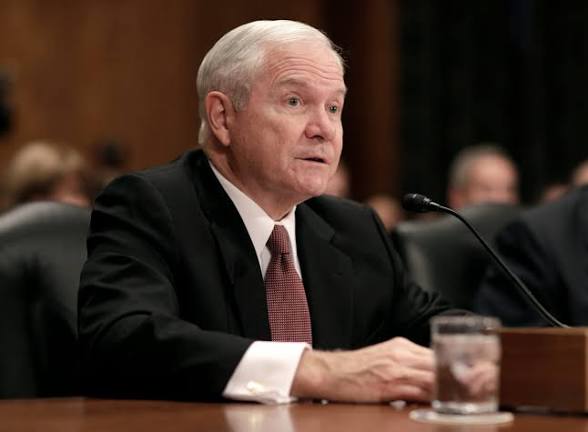
Former U.S. Defense Secretary Robert Gates is once again at the center of America’s national security conversation. As geopolitical tensions rise across Europe, the Middle East, and Asia, Gates’ past and recent comments about defense preparedness, military leadership, and strategic threats are drawing renewed public attention.
From warnings about military readiness to concerns over global instability, Gates has remained one of the most respected voices in U.S. defense policy. Political leaders, military experts, and ordinary Americans are revisiting his long-standing arguments about preparedness, alliances, and the dangers of strategic complacency.
Recent discussions surrounding Pentagon leadership, nuclear risk, China, Russia, and America’s role in global security have pushed Gates back into headlines. His reputation as a bipartisan defense expert continues to shape debates across Washington and beyond.
Who Is Robert Gates?
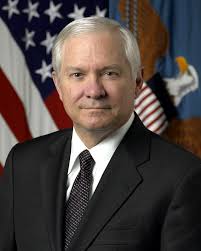
Robert Gates served as U.S. Secretary of Defense under both President George W. Bush and President Barack Obama, making him one of the few defense leaders trusted by leaders from both major political parties.
Before leading the Pentagon, Gates also served as Director of the CIA and spent decades involved in intelligence and national security planning. His long government career gave him deep influence over America’s military strategy during some of the most critical periods of modern history.
Many analysts credit Gates with bringing stability and pragmatic leadership during the Iraq and Afghanistan wars. Others remember him for pushing military reforms and warning against overconfidence in future conflicts.
His voice continues to matter because he is often viewed as a careful strategist rather than a partisan political figure.
Why Robert Gates Is Trending Again
National security debates in 2026 have intensified dramatically. Growing tensions involving Russia, China, Iran, cyberwarfare threats, and military restructuring inside the Pentagon have increased public anxiety about America’s defense posture.
At the same time, reports of instability and internal disputes within defense leadership have fueled public concern about strategic readiness.
Recent interviews and commentary connected to Gates have highlighted several key concerns:
- Rising global instability
- Risks of military miscalculation
- Pressure on U.S. alliances
- Nuclear security fears
- Pentagon leadership challenges
- China’s expanding military influence
- Cybersecurity and technological warfare
These issues align closely with warnings Gates has made for years about maintaining strong defense institutions and strategic discipline.
Gates’ Warning About Global Instability
One major reason Gates remains relevant is his repeated warning that the world is entering a dangerous and unstable period.
In recent security discussions, experts have compared today’s geopolitical climate to periods before major global conflicts. Concerns include weakening alliances, rising authoritarian power, and increasing regional wars.
Gates has long argued that the United States cannot assume global stability is permanent. According to defense analysts, he consistently emphasized that adversaries study American weaknesses carefully and act when they believe the U.S. lacks unity or preparedness.
Many Americans are now revisiting those warnings as tensions continue to rise internationally.
America’s National Security Pressure
National security pressure has become a major political issue across the United States.
Americans are increasingly divided on questions such as:
- How involved the U.S. should be in global conflicts
- Whether military spending is too high or too low
- How to handle China’s growing influence
- Whether NATO alliances remain effective
- How to modernize cyber and nuclear defenses
The Pentagon itself has also faced criticism over internal turmoil and leadership changes. Reports describing “disarray” inside defense leadership sparked major public debate.
Supporters of stronger defense policy argue Gates’ experience shows why institutional stability matters during international crises.
Critics, however, believe traditional foreign policy approaches have contributed to endless overseas conflicts and increased global tensions.
This divide explains why Gates remains such a powerful and controversial figure in American political discussion.
Robert Gates and China Concerns
One of Gates’ most discussed national security issues involves China’s military growth.
For years, Gates warned that America must take China’s long-term strategic ambitions seriously while also maintaining diplomatic engagement. Analysts have frequently referenced his balanced approach toward U.S.-China competition.
Security experts today continue debating several China-related concerns:
- Taiwan security
- Cyber warfare
- Artificial intelligence in combat
- Naval expansion
- Economic influence operations
- Space and satellite competition
These discussions have intensified as Washington officials increasingly describe China as America’s primary long-term strategic competitor.
Many policy observers believe Gates’ earlier warnings now appear increasingly relevant.
Defense Readiness and “Next-War-Itis”
Another Gates concept receiving renewed attention is his criticism of what he called “next-war-itis.”
This phrase referred to the tendency of military planners to focus too heavily on hypothetical future conflicts while neglecting current operational realities. RAND analysts recently revisited the idea while discussing future defense strategy debates.
The warning resonates today because modern warfare is changing rapidly through:
- Drone warfare
- Cyberattacks
- Artificial intelligence
- Information warfare
- Autonomous weapons systems
Defense planners now face pressure to modernize quickly while also remaining prepared for conventional conflicts.
Many experts believe Gates correctly predicted the dangers of becoming overly dependent on outdated military assumptions.
Pentagon Leadership Debate
Recent leadership controversies inside the Pentagon have increased public interest in experienced defense figures like Gates.
Reports about leadership removals, ideological tensions, and military restructuring have sparked bipartisan concern about defense management.
Critics worry that instability at the top of military leadership could weaken strategic planning during international crises.
Others argue that reform is necessary to modernize military culture and priorities.
Gates has historically emphasized professionalism, institutional trust, and long-term planning inside defense organizations. Because of this, many commentators now compare current Pentagon developments with the more stable leadership eras associated with Gates’ tenure.
Public Reaction Across America
America’s reaction to Gates’ renewed visibility has been mixed but intense.
Supporters Say:
- Gates represents experienced leadership
- He understands global threats deeply
- His bipartisan credibility matters
- America needs strategic discipline
Critics Say:
- Older defense strategies no longer work
- Washington relies too much on military solutions
- Foreign interventions created long-term instability
- The national security establishment resists change
Social media discussions show strong opinions on both sides.
Some users praise Gates as a serious voice during chaotic times. Others believe modern security threats require entirely new approaches beyond traditional defense thinking.
The Broader Global Security Context
Gates’ growing relevance also reflects broader global uncertainty.
Several major developments are shaping the current security environment:
Russia and NATO Tensions
The war in Eastern Europe continues to reshape global alliances and military spending priorities.
Iran and Middle East Conflict
Rising tensions involving Iran have increased fears about wider regional conflict.
Cybersecurity Threats
Cyberattacks against infrastructure, elections, and military systems remain major concerns.
Nuclear Risks
Experts continue warning about escalation risks involving nuclear powers.
Strategic Competition With China
Military competition in the Pacific remains a defining issue for American defense planning.
These overlapping crises help explain why experienced national security figures like Gates remain highly influential in policy discussions.
Why Gates Still Matters
Even years after leaving office, Gates continues shaping public debate because his warnings often focused on long-term strategic thinking rather than short-term political headlines.
His approach emphasized:
- Strong alliances
- Military preparedness
- Intelligence coordination
- Realistic foreign policy
- Avoiding strategic complacency
Supporters believe these principles remain essential in today’s increasingly unstable world.
His influence is especially strong among defense professionals, foreign policy experts, and bipartisan security analysts.
Media Coverage and Internet Reaction
News outlets, podcasts, defense panels, and online discussions have all contributed to renewed interest in Gates.
Interviews featuring Gates discussing global instability, military threats, and geopolitical competition have circulated widely online.
On social platforms, reactions generally fall into three categories:
- National Security Concern
Many users believe Gates’ warnings should be taken seriously. - Political Debate
Others interpret defense discussions through partisan politics. - Global Anxiety
Some Americans simply feel worried about growing international instability.
This broad online engagement shows how defense policy has become a mainstream public issue rather than a topic limited to Washington insiders.
The Future of U.S. Defense Strategy
America’s future defense direction remains uncertain.
Key debates include:
- Military modernization
- Alliance commitments
- Artificial intelligence warfare
- Cyber defense investment
- Nuclear deterrence policy
- Pentagon leadership reform
Figures like Gates continue influencing these conversations because of their institutional experience and historical perspective.
Many analysts believe the coming years could define the future global balance of power for decades.
Conclusion
Robert Gates remains one of the most important voices in America’s national security conversation. As geopolitical tensions grow and defense debates intensify, his warnings about preparedness, strategic discipline, and global instability continue gaining attention.
Supporters view him as a steady and experienced leader whose insights remain relevant during dangerous times. Critics argue that America must rethink traditional defense strategies for a rapidly changing world.
Regardless of political perspective, Gates’ influence on U.S. defense policy is undeniable. His renewed spotlight reflects a larger reality: national security concerns are once again at the center of American public debate.
As the world faces rising uncertainty, America’s conversation about military readiness, global leadership, and strategic stability is unlikely to slow down anytime soon.
FAQs
Who is Robert Gates?
Robert Gates is a former U.S. Secretary of Defense and former CIA Director who served under both Republican and Democratic presidents.
Why is Robert Gates trending?
He is receiving attention due to renewed national security debates, global instability concerns, and discussions about U.S. defense leadership.
What are Robert Gates’ main defense warnings?
Gates has warned about global instability, military preparedness, China’s strategic rise, and the dangers of weak defense planning.
What is “next-war-itis”?
It is a term Gates used to describe military planners focusing too much on future hypothetical wars instead of current operational realities.
Why does Robert Gates still influence defense policy?
His bipartisan credibility, intelligence background, and decades of defense leadership continue making his opinions highly respected.
What national security issues are Americans worried about?
Key concerns include China, Russia, Iran, cyberwarfare, nuclear escalation, Pentagon leadership, and global instability.
How useful was this post?
Click on a star to rate it!
Average rating 0 / 5. Vote count: 0
No votes so far! Be the first to rate this post.
About the Author

usa5911.com
Administrator
Hi, I’m Gurdeep Singh, a professional content writer from India with over 3 years of experience in the field. I specialize in covering U.S. politics, delivering timely and engaging content tailored specifically for an American audience. Along with my dedicated team, we track and report on all the latest political trends, news, and in-depth analysis shaping the United States today. Our goal is to provide clear, factual, and compelling content that keeps readers informed and engaged with the ever-changing political landscape.