MAJOR WARNING: Mike Waltz Says US Can ‘LOCK DOWN’ Strait of Hormuz If Iran Talks Collapse
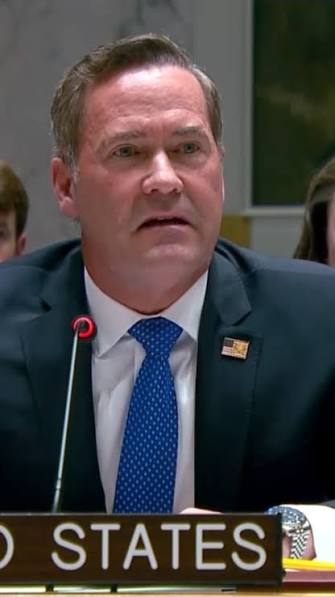
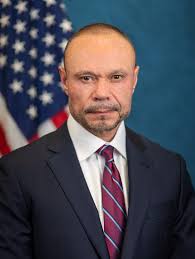
The future of the Middle East once again hangs in the balance after U.S. Ambassador to the United Nations Mike Waltz suggested that the United States has the capability to “lock down” the Strait of Hormuz should negotiations with Iran ultimately fail. His comments arrive as diplomatic efforts continue amid heightened regional tensions, with the strategic waterway remaining one of the world’s most critical energy chokepoints.
Although Waltz expressed optimism that negotiations could still produce results, he also emphasized that the United States possesses significant military options if diplomacy reaches a dead end. His remarks have drawn international attention because of the enormous economic and geopolitical consequences tied to the Strait of Hormuz.
This warning comes during a period of extraordinary uncertainty. Recent ceasefire agreements have proven fragile, while disputes involving Iran, Israel, Hezbollah, and the United States continue to reshape the regional security landscape.
Why the Strait of Hormuz Matters
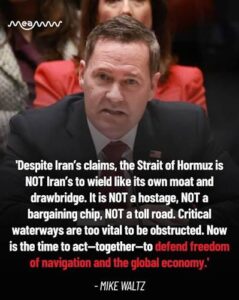
The Strait of Hormuz is one of the world’s most strategically important waterways.
Located between Iran and Oman, it serves as the primary maritime route connecting the Persian Gulf with international markets through the Gulf of Oman and the Arabian Sea.
Every day, a significant share of global crude oil and liquefied natural gas exports transit through this narrow passage. Because so much of the world’s energy supply depends on uninterrupted shipping through the strait, even temporary disruptions can trigger immediate reactions in global commodity markets.
Countries including Saudi Arabia, the United Arab Emirates, Kuwait, Iraq, and Qatar rely heavily on this shipping lane.
Consequently, any military confrontation affecting the Strait of Hormuz has worldwide implications far beyond the Middle East.
Mike Waltz’s Warning
During recent interviews discussing ongoing negotiations with Iran, Mike Waltz stressed that diplomacy remains the preferred option.
However, he also suggested that if talks collapse, the United States possesses overwhelming naval capabilities that could effectively secure—or, in his words, “lock down”—the Strait of Hormuz if necessary.
His comments reflect a broader U.S. strategy aimed at preventing Iran from using the waterway as leverage during regional crises.
American officials have consistently argued that freedom of navigation is a vital international interest and that commercial shipping should remain uninterrupted.
Current State of US-Iran Negotiations
Negotiations between Washington and Tehran have experienced repeated setbacks.
Recent discussions in Switzerland have focused on sanctions relief, Iran’s nuclear program, regional security, and maritime stability.
Although officials have described some progress, major disagreements remain unresolved. Iran continues to insist on preserving aspects of its nuclear program, while U.S. negotiators seek stronger guarantees against future nuclear weapons development.
The talks have become even more complicated because of ongoing violence involving Israel and Hezbollah, which has influenced Iran’s negotiating position.
US Military Presence in the Region
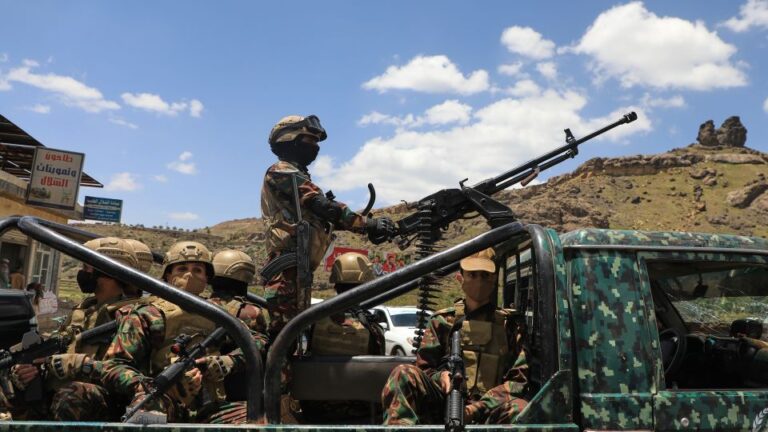
The United States maintains a significant naval presence throughout the Persian Gulf.
American forces regularly conduct maritime security missions designed to protect commercial shipping, reassure allies, and deter hostile actions.
According to U.S. Central Command, American naval assets continue monitoring the Strait of Hormuz to ensure vessels can navigate safely despite heightened tensions.
Their responsibilities include:
Escorting commercial vessels when necessary
Monitoring Iranian military movements
Preventing attacks on civilian shipping
Coordinating with allied naval forces
Maintaining freedom of navigation
How useful was this post?
Click on a star to rate it!
Average rating 0 / 5. Vote count: 0
No votes so far! Be the first to rate this post.
About the Author

usa5911.com
Administrator
Hi, I’m Gurdeep Singh, a professional content writer from India with over 3 years of experience in the field. I specialize in covering U.S. politics, delivering timely and engaging content tailored specifically for an American audience. Along with my dedicated team, we track and report on all the latest political trends, news, and in-depth analysis shaping the United States today. Our goal is to provide clear, factual, and compelling content that keeps readers informed and engaged with the ever-changing political landscape.