Trump Drops New Warning: TOLLS Could Hit Ships Passing Through The Strait Of Hormuz
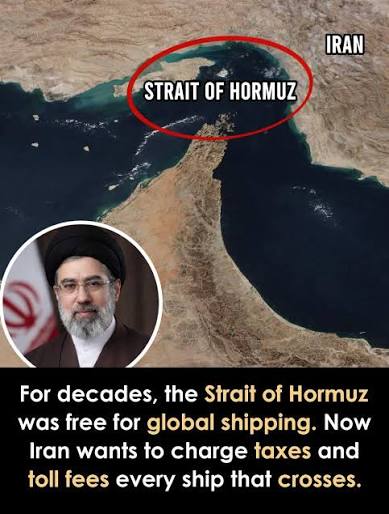
The geopolitical situation in the Middle East has taken another dramatic turn after U.S. President Donald Trump suggested that the United States could impose tolls on ships passing through the Strait of Hormuz if negotiations with Iran fail to produce a lasting agreement. The statement immediately sparked debate among diplomats, shipping companies, energy analysts, and financial markets because the Strait of Hormuz remains one of the world’s most strategically important maritime chokepoints.
Trump’s remarks come amid ongoing diplomatic efforts aimed at stabilizing tensions following months of military confrontations and fragile ceasefire negotiations. While he emphasized that no tolls would apply during the current 60-day interim period, he warned that the policy could change if Iran does not honor future commitments.
For global markets, even the possibility of new restrictions in the Strait of Hormuz is significant. Nearly every development affecting this narrow waterway has the potential to influence oil prices, shipping insurance costs, global trade, and international security.
Why The Strait Of Hormuz Matters
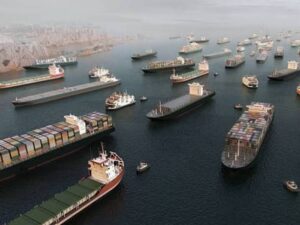
The Strait of Hormuz connects the Persian Gulf with the Gulf of Oman and the Arabian Sea. Although only a relatively narrow shipping corridor, it serves as one of the world’s busiest energy routes.
Large volumes of crude oil and liquefied natural gas travel through the strait every day, making uninterrupted navigation essential for countries across Asia, Europe, and North America.
Any disruption—whether through military conflict, political disputes, or economic measures—can create ripple effects throughout the global economy.
Because of this strategic importance, the Strait of Hormuz has remained at the center of regional security discussions for decades.
Trump’s Latest Warning Explained
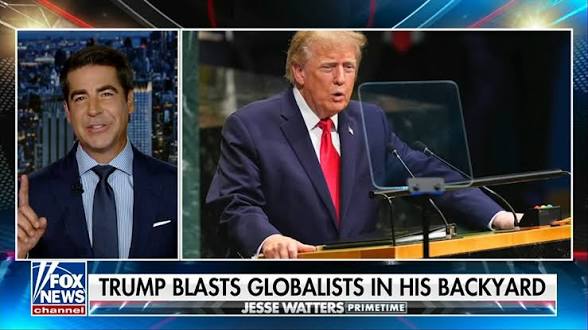
Speaking during ongoing diplomatic discussions, Trump argued that the United States has played a major role in protecting commercial shipping throughout the region.
According to the president, if a permanent agreement with Iran ultimately fails, Washington could consider charging vessels using the waterway.
Trump framed the proposal as compensation for America’s role in maintaining maritime security, suggesting that nations benefiting from safe passage should contribute financially if diplomatic efforts collapse.
However, Trump also stressed that:
- No U.S. tolls would be imposed during the current ceasefire period.
- The proposal would only be considered if negotiations fail.
- The United States wants shipping lanes to remain open.
These comments represent a conditional warning rather than an immediate policy announcement.
Connection To U.S.-Iran Negotiations
The toll proposal comes during sensitive negotiations between Washington and Tehran.
Officials continue working toward a broader agreement addressing regional security, maritime navigation, and other longstanding disputes.
Recent diplomatic efforts have focused on:
- Maintaining freedom of navigation.
- Preventing further military escalation.
- Preserving the temporary ceasefire.
- Expanding future negotiations.
Despite progress in talks, uncertainty remains high, with both sides continuing to negotiate key issues.
Shipping Industry Watching Closely
International shipping companies reacted cautiously to Trump’s remarks.
Although no immediate changes have been announced, shipping firms regularly prepare contingency plans whenever political tensions rise in the Strait of Hormuz.
Industry concerns include:
- Rising insurance premiums.
- Potential rerouting of vessels.
- Delays in cargo deliveries.
- Higher transportation costs.
Shipping executives understand that even political statements can influence market expectations long before any formal policy is implemented.
Energy Markets React
Oil markets closely monitor every development involving the Strait of Hormuz.
Historically, uncertainty surrounding the waterway has contributed to higher oil price volatility because traders anticipate possible supply disruptions.
Analysts say the latest warning may influence:
- Crude oil futures.
- Natural gas prices.
- Energy company valuations.
- Shipping sector stocks.
However, actual market impacts will depend on whether negotiations continue progressing or begin to break down.
Could The United States Legally Impose Tolls?
Legal experts note that international maritime law generally protects transit through major international waterways.
Whether any country could unilaterally impose new transit fees would likely become the subject of significant legal and diplomatic debate.
Questions include:
- Would international shipping organizations recognize such tolls?
- Could allied nations object?
- How would insurers respond?
- Would shipping companies comply?
At this stage, these questions remain hypothetical because no formal policy has been introduced.
How useful was this post?
Click on a star to rate it!
Average rating 0 / 5. Vote count: 0
No votes so far! Be the first to rate this post.
About the Author

usa5911.com
Administrator
Hi, I’m Gurdeep Singh, a professional content writer from India with over 3 years of experience in the field. I specialize in covering U.S. politics, delivering timely and engaging content tailored specifically for an American audience. Along with my dedicated team, we track and report on all the latest political trends, news, and in-depth analysis shaping the United States today. Our goal is to provide clear, factual, and compelling content that keeps readers informed and engaged with the ever-changing political landscape.