The release of court evidence in the high-profile Karmelo Anthony murder trial has once again thrust the case into the national spotlight. Images, surveillance footage, body-camera recordings, 911 calls, and other exhibits presented during trial proceedings are now publicly available after a Collin County court authorized their release. The newly disclosed materials have reignited public discussion about the fatal stabbing of Austin Metcalf during a Texas high school track meet and have intensified debate surrounding self-defense claims, courtroom transparency, and the role of social media in shaping public opinion.
Although the trial itself concluded with a guilty verdict and a 35-year prison sentence, the publication of evidence has given many observers their first detailed look at the events prosecutors and defense attorneys argued over in court. The materials provide greater context but also highlight why the case became one of the most closely watched criminal proceedings in recent years.
This article examines what was released, why the evidence matters, how it influenced the jury, and what broader legal and societal questions continue to emerge.
Background of the Case

The incident dates back to April 2025, when students from several Texas high schools gathered for a track and field competition in Frisco.
According to prosecutors, an argument erupted after Karmelo Anthony entered an area reserved for another school’s athletes during a weather delay. The confrontation escalated rapidly, ending when Austin Metcalf suffered a fatal stab wound.
Anthony admitted he stabbed Metcalf but argued throughout the proceedings that he acted in self-defense. Prosecutors rejected that claim, maintaining the evidence showed Anthony intentionally used deadly force that was not legally justified.
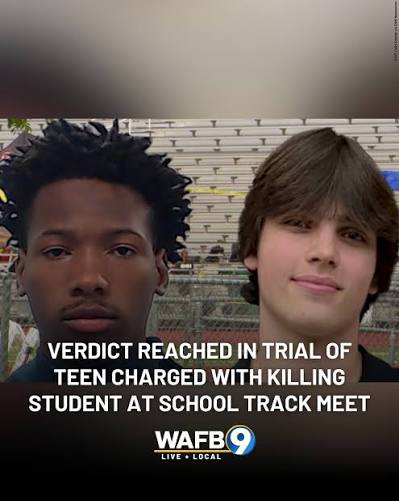
Following a closely watched trial in Collin County, the jury found Anthony guilty of murder. The court sentenced him to 35 years in prison, while defense attorneys announced plans to appeal the conviction.
Court Releases Trial Evidence
After the conclusion of the trial, the judge approved the public release of numerous exhibits that had been shown to jurors.
The materials reportedly include:
- Surveillance footage from the stadium
- Police body-camera recordings
- Crime scene photographs
- Images of the recovered knife
- Audio from emergency 911 calls
- Arrest footage
- Additional investigative exhibits introduced during trial
The release follows standard court procedures after criminal proceedings conclude, although judges sometimes limit access to particularly graphic evidence.
Because this case generated widespread national attention, the publication of the evidence immediately became a major news story and fueled renewed discussion across television networks and social media platforms.
What the Newly Released Evidence Shows
Much of the attention has focused on surveillance video that captures portions of the confrontation before and after the stabbing.
According to court reporting, prosecutors argued the footage demonstrated how quickly the encounter unfolded and helped jurors evaluate witness testimony.
Additional body-camera recordings document officers arriving at the scene within minutes. The footage includes Anthony’s detention and interactions with responding officers.
Crime scene photographs also formed a significant portion of the prosecution’s presentation. These exhibits documented the location, physical evidence recovered by investigators, and the emergency response efforts following the stabbing.
Emergency dispatch recordings provide another perspective, capturing frantic calls from witnesses requesting immediate medical assistance. The recordings reflect the confusion and urgency present during the incident and were presented to establish the timeline of events.
Why the Evidence Matters
Criminal trials are ultimately decided by evidence rather than public opinion.
For many people following the case online, the newly released materials represent the first opportunity to examine the same evidence viewed by jurors.
Legal experts note that public access to trial exhibits can improve transparency while also helping reduce speculation that often develops around highly publicized criminal cases.
At the same time, experts caution that isolated images or short video clips rarely tell the complete story presented during a multi-day trial. Jurors considered witness testimony, forensic evidence, expert analysis, cross-examinations, judicial instructions, and legal standards before reaching their verdict.
Viewed outside that courtroom context, individual exhibits may be interpreted differently by members of the public than they were during trial.
The Self-Defense Debate Continues
One of the central legal questions throughout the proceedings was whether Anthony acted in lawful self-defense.
Under Texas law, a defendant asserting self-defense must establish that the use of force was legally justified under the circumstances.
Prosecutors argued that the available evidence—including witness testimony and video—did not support that legal standard. Defense attorneys maintained Anthony reasonably believed he faced an imminent threat.
Ultimately, jurors rejected the self-defense argument and returned a guilty verdict after reviewing all admitted evidence and hearing closing arguments from both sides.
About the Author