Breaking: 7 Killed In Lebanon After Israeli Airstrike As Regional Tensions Escalate
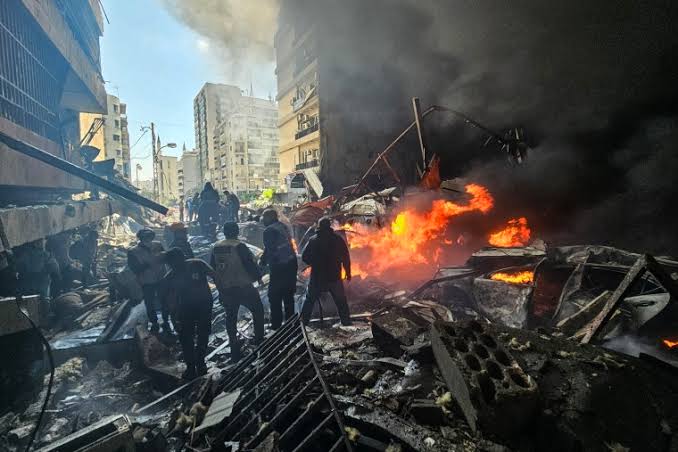
The Middle East remains one of the world’s most complex and unpredictable geopolitical regions. Decades of unresolved disputes, competing national interests, proxy conflicts, and shifting alliances have repeatedly created cycles of violence that extend far beyond national borders. The latest Israeli airstrikes in Lebanon serve as another reminder that even brief periods of calm can quickly give way to renewed military confrontation.
While the immediate focus naturally falls on the destruction caused by individual military operations, the broader implications deserve equal attention. Every exchange of fire affects not only military calculations but also diplomatic negotiations, humanitarian conditions, economic stability, and international security. A single escalation can influence energy markets, refugee movements, foreign policy decisions, and the strategic calculations of global powers.
This analysis does not seek to assign blame to any one party. Instead, it examines the broader consequences of renewed hostilities, the strategic interests involved, and the challenges facing regional and international leaders seeking to prevent a wider conflict.
Understanding the Current Escalation
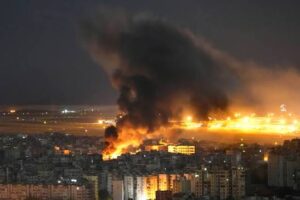
Recent military developments demonstrate how fragile ceasefires can become when tensions remain unresolved. Even after temporary pauses in fighting, isolated incidents, security concerns, or differing interpretations of ceasefire agreements can rapidly trigger another cycle of retaliation.
Israel has consistently argued that military operations targeting armed groups are necessary to protect its population from rocket attacks and cross-border threats. Israeli officials frequently emphasize national security as the primary justification for military action.
On the other hand, Lebanon continues to face enormous political and economic challenges while simultaneously coping with the security consequences of armed groups operating within or near its territory. The country’s institutions remain under significant pressure, making crisis management increasingly difficult.
Whenever military activity resumes, civilians often bear the greatest burden. Residential communities experience disruptions, infrastructure may suffer damage, and humanitarian organizations face additional challenges in delivering assistance to affected populations.
Why Lebanon Holds Strategic Importance
Lebanon occupies a uniquely sensitive position in Middle Eastern geopolitics. Despite its relatively small size, the country shares borders with Israel and Syria while maintaining connections with numerous regional and international actors.
Several factors contribute to Lebanon’s strategic importance:
Geographic Position
Lebanon sits along the eastern Mediterranean, making it an important location for regional security and maritime interests.
Political Complexity
Unlike many countries, Lebanon’s political system is based on power-sharing among multiple religious communities. While designed to promote balance, this structure can complicate decision-making during national emergencies.
Regional Influence
Developments inside Lebanon often attract the attention of neighboring countries as well as global powers including the United States, European nations, Russia, and regional governments seeking to protect their strategic interests.
Because of these factors, military confrontations inside Lebanon rarely remain isolated events. Instead, they frequently become part of a much larger regional security discussion.
The Humanitarian Consequences
Although headlines often focus on military developments, humanitarian concerns deserve equal attention.
Every renewed round of fighting creates uncertainty for families living near conflict zones. Schools may suspend operations, hospitals face increased pressure, transportation networks become disrupted, and local businesses experience severe economic losses.
Children represent one of the most vulnerable groups during periods of instability. Interrupted education, displacement, and psychological trauma can have long-term consequences extending well beyond the immediate conflict.
Healthcare systems also encounter additional pressure. Emergency services must respond to injuries while continuing routine medical care for existing patients. If infrastructure is damaged, access to healthcare becomes even more challenging.
Humanitarian organizations frequently call for safe corridors allowing civilians to access food, medical assistance, and shelter. However, maintaining humanitarian operations becomes increasingly difficult whenever military activity intensifies.
The economic consequences also extend beyond affected communities. Tourism, investment, trade, and employment may all decline during periods of prolonged uncertainty, slowing national recovery efforts.
Israel’s Security Perspective
Understanding the Israeli perspective is essential when analyzing regional security.
Israeli governments have consistently maintained that protecting citizens from cross-border attacks remains a core national responsibility. Military planners argue that waiting until threats become more severe could create greater risks in the future.
From this viewpoint, intelligence gathering, surveillance operations, and targeted military actions are intended to reduce potential threats before they escalate further.
Israeli leaders also point to the presence of heavily armed non-state groups operating near the border as a continuing security concern. They argue that these organizations possess capabilities that could threaten civilian communities and critical infrastructure.
Supporters of this approach contend that military deterrence helps prevent larger conflicts by demonstrating the willingness to respond forcefully to perceived threats.
Critics, however, argue that repeated military operations may contribute to recurring cycles of violence rather than establishing lasting security. They suggest that political dialogue, confidence-building measures, and sustained diplomatic engagement are necessary alongside military preparedness.
This debate remains central to discussions about long-term regional stability.
Hezbollah’s Role in Regional Dynamics
Any discussion of Lebanon’s security environment inevitably includes the role of Hezbollah, which has been a significant political and military force in the country for decades.
Supporters view Hezbollah as a resistance movement that plays a role in defending Lebanese territory and representing a portion of the country’s political landscape. The group also participates in Lebanon’s political institutions.
At the same time, several countries designate Hezbollah, or parts of the organization, as a terrorist organization, citing its armed activities and regional operations. These differing international positions contribute to ongoing diplomatic complexity.
Hezbollah’s military capabilities have grown considerably over the years, making it an important factor in regional security calculations. This has led Israel to view the organization as a major security concern, while Hezbollah has stated that its military posture is intended to deter Israeli military action.
The interaction between these competing security perspectives contributes to a persistent cycle of tension. Even when large-scale conflict is avoided, the possibility of escalation remains a constant feature of the security environment.
How useful was this post?
Click on a star to rate it!
Average rating 0 / 5. Vote count: 0
No votes so far! Be the first to rate this post.
About the Author

usa5911.com
Administrator
Hi, I’m Gurdeep Singh, a professional content writer from India with over 3 years of experience in the field. I specialize in covering U.S. politics, delivering timely and engaging content tailored specifically for an American audience. Along with my dedicated team, we track and report on all the latest political trends, news, and in-depth analysis shaping the United States today. Our goal is to provide clear, factual, and compelling content that keeps readers informed and engaged with the ever-changing political landscape.