Kash Patel Pearl Harbor Visit: Snorkeling Buzz, Hawaii Spotlight, Internet Reacts
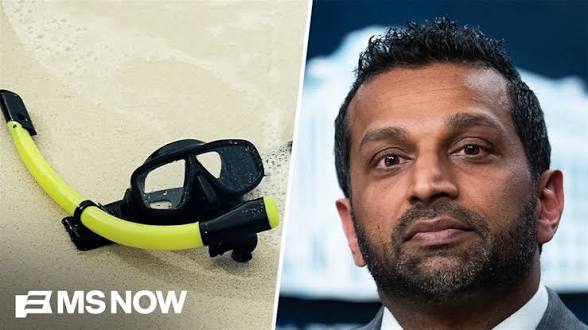
The reported “VIP snorkel” visit involving Kash Patel at Pearl Harbor has quickly become one of the most talked-about political controversies online. What began as a government travel story transformed into a national discussion about respect, symbolism, public office, and historical memory.
According to reports published this week, Patel allegedly participated in a special snorkeling excursion around the USS Arizona Memorial during an official visit to Hawaii. The outing reportedly occurred during travel connected to FBI-related engagements in the Pacific region.
The revelation immediately triggered intense reactions across social media platforms, political circles, and veteran communities. Supporters defended the visit as a historical and educational experience, while critics questioned whether the activity was appropriate at one of America’s most sacred military memorials.
The controversy has now evolved into a larger debate about optics, public accountability, and the role of high-ranking officials at national memorial sites.
What Happened During the Pearl Harbor Visit?
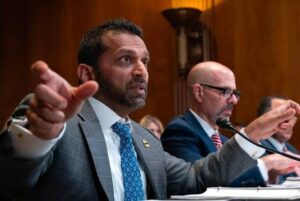
Reports from the Associated Press stated that internal government emails referenced a “VIP snorkel” session involving Patel near the USS Arizona Memorial at Pearl Harbor in Hawaii.
The USS Arizona remains one of the most symbolic locations in American history. The ship sank during the Japanese attack on Pearl Harbor on December 7, 1941, killing more than 900 sailors and Marines whose remains still rest within the wreckage. Because of its historical and emotional significance, access to the surrounding waters is typically restricted.
Government sources reportedly confirmed that special snorkeling excursions have occasionally been permitted for select dignitaries and military officials over the years. However, critics argue that such activities remain controversial because the site is considered a military cemetery.
The FBI later defended the visit, describing it as a historical tour connected to official national security travel rather than a recreational outing.
Why Pearl Harbor Holds Deep National Importance
To understand why the story gained so much attention, it is important to recognize the emotional and historical significance of Pearl Harbor.
The attack on Pearl Harbor changed the course of world history by bringing the United States into World War II. The USS Arizona Memorial stands today not only as a tourist attraction but also as a solemn remembrance site honoring those who died during the attack.
Because the memorial is treated with extraordinary respect, any activity near the wreckage often receives public scrutiny. Critics of Patel’s visit argued that snorkeling around the memorial blurred the line between official engagement and recreational privilege.
Supporters, however, argued that dignitary tours have historical precedent and that understanding the site firsthand can deepen appreciation for its legacy.
Internet Reacts to the “VIP Snorkel” Reports
As soon as reports emerged online, social media exploded with reactions.
Many users criticized the optics of the trip, especially given growing scrutiny over government spending and official travel. Others questioned why the outing was not initially highlighted in public FBI communications.
Several commentators described the situation as politically damaging because of the symbolism attached to Pearl Harbor. Some critics argued that even if the excursion followed protocol, public perception matters when dealing with historic memorials.
At the same time, Patel’s supporters accused media outlets of sensationalizing the story. They argued that officials from various administrations have participated in similar memorial-related activities for decades.
Online debate intensified further after television segments and YouTube commentary channels amplified the stor
Political hashtags connected to Patel quickly trended across multiple platforms as users argued over patriotism, accountability, and media framing.
Political Implications for Kash Patel
The controversy arrives during a period when Patel has already faced heightened public attention due to his role in federal law enforcement and his visibility in national politics.
Critics have connected the Hawaii story to broader concerns regarding government travel, use of resources, and public transparency.
Some former officials quoted in reports argued that the incident reflects a larger issue involving how senior officials balance ceremonial duties with public expectations. Others suggested that the backlash may ultimately be more about political polarization than the snorkeling excursion itself.
Supporters countered that critics are unfairly targeting Patel because of his political profile and prior controversies. They argue that the media attention surrounding the trip would likely have been far smaller if another public figure had participated in a similar historical tour.
The debate demonstrates how modern political narratives can quickly escalate through social media, especially when tied to emotionally powerful historical locations.
Hawaii Tourism and Historical Interest Surge
Ironically, the controversy has also increased online interest in Pearl Harbor and Hawaii tourism.
Searches related to the USS Arizona Memorial reportedly surged after the news spread across media outlets. Many users began revisiting the history of Pearl Harbor and discussing the memorial’s cultural significance.
Travel discussions also appeared online, with some people sharing personal stories about visiting Pearl Harbor and describing the emotional atmosphere surrounding the site.
Historians and veterans used the moment to remind the public about the sacrifices associated with Pearl Harbor and the importance of preserving historical memory.
For many Americans, the discussion moved beyond politics and became a conversation about national identity and remembrance.
Critics Say the Optics Were Problematic
One of the central arguments from critics focuses on symbolism rather than legality.
Reports indicated that snorkeling and diving near the memorial are highly restricted activities. While exceptions have apparently been granted to certain officials and military personnel, opponents argued that allowing such access risks creating perceptions of exclusivity around a sacred site.
Some veterans interviewed in media coverage described the activity as inappropriate regardless of official authorization. One critic reportedly compared the situation to treating a solemn memorial like a recreational destination.
This perspective gained traction online because Pearl Harbor remains deeply connected to American military sacrifice and national mourning.
Supporters Defend the Visit
Patel’s defenders emphasize that the excursion was reportedly coordinated through official channels and conducted under military supervision.
They also point out that historical tours involving senior officials are not entirely unprecedented. According to reports, military and government dignitaries have occasionally received access to restricted areas around the memorial for educational and ceremonial purposes.
Supporters argue that media coverage exaggerated the recreational angle while ignoring the possibility that the experience was intended to honor history rather than trivialize it.
Some commentators also noted that there is no evidence Patel violated laws or official procedures during the trip.
The divide highlights how political identity increasingly shapes public interpretation of symbolic events.
Media Coverage Fuels the Story
Another reason the controversy gained momentum is the way different media outlets framed the story.
Some headlines emphasized the phrase “VIP snorkel,” which immediately triggered strong emotional reactions online. Others focused more on questions surrounding transparency and disclosure.
Television networks, podcasts, and political YouTube channels rapidly expanded coverage, turning the story into a broader cultural debate rather than a simple travel report.
The incident also demonstrates how modern controversies often evolve through viral clips, social media posts, and emotionally charged headlines.
The Broader Debate About Public Officials and Memorial Sites
The Patel controversy reflects a larger national conversation about how public officials interact with historical memorials.
Questions raised include:
- Should special access be granted to political leaders?
- Where is the line between education and privilege?
- How should sacred military sites be protected?
- Does perception matter more than procedure?
These debates are unlikely to disappear anytime soon because historical memorials hold deep emotional significance across political lines.
Pearl Harbor, in particular, occupies a unique place in American memory. Any controversy connected to the site inevitably attracts national attention.
Public Opinion Remains Divided
At the moment, public reaction remains sharply divided.
Some Americans view the incident as overblown political theater fueled by partisan media. Others see it as an example of questionable judgment involving one of the nation’s most respected memorial sites.
What is clear is that the story resonated far beyond Hawaii.
The combination of history, symbolism, politics, and social media transformed a relatively obscure government travel detail into a major online debate.
Whether the controversy has lasting political consequences for Patel remains uncertain. However, the incident demonstrates how rapidly narratives can spread when they involve emotionally powerful locations like Pearl Harbor.
Conclusion
The “VIP snorkel” controversy surrounding Kash Patel has become far more than a travel story. It now represents a national debate about public symbolism, historical respect, media framing, and political perception.
Reports suggest the excursion occurred during official travel and was coordinated through military channels. Yet critics continue questioning whether such access was appropriate at a site considered sacred by many Americans.
Meanwhile, supporters argue that the backlash reflects political bias and sensationalism more than actual misconduct.
As online discussion continues, the controversy has also renewed public attention toward Pearl Harbor itself — reminding Americans of the historical importance and emotional power of the USS Arizona Memorial.
FAQs
Who is Kash Patel?
Kash Patel is a political figure and former national security official who currently serves as FBI Director.
Why is Kash Patel’s Pearl Harbor visit controversial?
The controversy centers on reports that Patel participated in a “VIP snorkel” near the USS Arizona Memorial, a sacred military site connected to the Pearl Harbor attack.
Was the snorkeling trip officially authorized?
Reports indicate the outing was coordinated through military channels and involved official oversight.
Is snorkeling normally allowed near the USS Arizona Memorial?
Access is typically restricted, though certain dignitaries and officials have reportedly been granted special access in rare cases.
Why is Pearl Harbor considered sacred?
Pearl Harbor honors those who died during the Japanese attack on December 7, 1941. The USS Arizona remains the resting place of many sailors and Marines killed during the attack.
How did social media react to the story?
Internet reactions were sharply divided. Critics called the outing disrespectful, while supporters argued it was a historical and ceremonial experience rather than recreation.
How useful was this post?
Click on a star to rate it!
Average rating 0 / 5. Vote count: 0
No votes so far! Be the first to rate this post.
About the Author

usa5911.com
Administrator
Hi, I’m Gurdeep Singh, a professional content writer from India with over 3 years of experience in the field. I specialize in covering U.S. politics, delivering timely and engaging content tailored specifically for an American audience. Along with my dedicated team, we track and report on all the latest political trends, news, and in-depth analysis shaping the United States today. Our goal is to provide clear, factual, and compelling content that keeps readers informed and engaged with the ever-changing political landscape.